Algeria
 Egypt
 Libya
 Morocco
 Sudan
 Tunisia
 Benin
 Burkina Faso
 Cabo Verde
 Côte d'Ivoire
 Ghana
 Guinea
 Guinea-Bissau
 Liberia
 Mali
 Niger
 Nigeria
 Senegal
 Sierra Leone
 The Gambia
 Togo
 Cameroon
 Central African Republic
 Chad
 DR Congo
 Equatorial Guinea
 Gabon
 Republic of the Congo
 São Tomé and Príncipe
 Burundi
 Comoros
 Djibouti
 Eritrea
 Ethiopia
 Kenya
 Madagascar
 Malawi
 Mauritius
 Mozambique
 Rwanda
 Seychelles
 Somalia
 South Sudan
 Tanzania
 Uganda
 Angola
 Botswana
 Eswatini
 Lesotho
 Namibia
 South Africa
 Zambia
 Zimbabwe
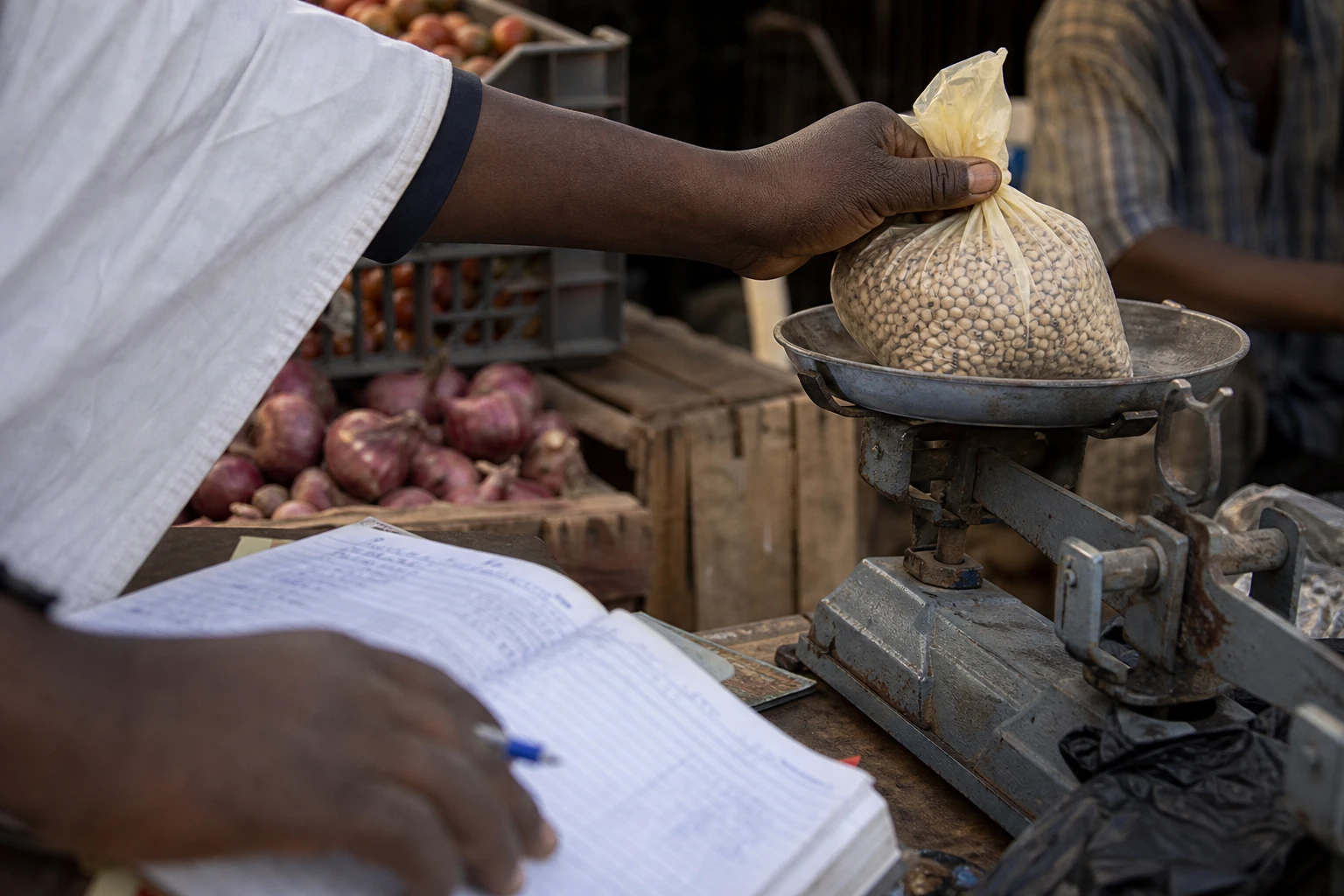
As the heat sets in, electricity becomes a lifeline
In Nouakchott, the heat does more than weigh heavily on the air. It turns even the briefest power outage into a real problem for families, neighbourhood businesses and patients who rely on fans, refrigeration or medical devices. In a capital where summer already pushes bodies to their limits, every outage prolongs discomfort and increases health risks. The World Health Organization also notes that heatwaves affect both wellbeing and health, especially among vulnerable people.
Mauritania is in a region where energy remains a strategic issue. The country is a member of the Arab Maghreb Union, alongside Algeria, Libya, Morocco and Tunisia, and has for several years sought to secure its networks, extend its power lines and better connect the capital to the mining north and other urban centres. In this context, the national electricity company has launched and supported several interconnection projects between Nouakchott and Zouerate, as well as other high-voltage links.
Outages are announced, but households are still feeling the strain
The source of the tension is simple: power cuts have hit Nouakchott just as temperatures have made daily life more difficult. In several recent statements, the Mauritanian electricity company has acknowledged maintenance work and disruptions to the capital’s distribution network. It has also apologised to customers following incidents or widespread outages, explaining that some interruptions were required for technical reasons to secure the system.
According to explanations given by a former company spokesperson, the disruptions seen in 2026 are linked to preparatory operations ahead of the commissioning of the Nouakchott-Zouerate line, alongside increased demand during high temperatures. This combination of network works and peak consumption is plausible in a system under pressure, but it does not lessen the immediate impact on households. In low-income neighbourhoods as much as in more central areas, an outage never feels like a mere technical interlude. It takes your breath away, slows work and makes rest almost impossible.
Mauritanian meteorological services, for their part, reported pronounced heatwaves in several regions in spring and early summer 2026, with temperatures in the north of the country reaching close to 47 to 49 degrees Celsius. They also urged caution, recommending that people limit direct exposure to the sun and protect older people, children and those in poor health. Even if Nouakchott is not always the most extreme area, the capital is experiencing the same thermal strain, compounded by rapid urbanisation and the need for cooling.
What the crisis reveals: a network to reinforce and a system to stabilise
The unease expressed by residents goes beyond the immediate inconvenience. It highlights a broader issue: the reliability of supply in a growing capital, where household demand is rising with the use of fans, air conditioners and small refrigeration appliances. The link between extreme heat and electricity consumption is direct. The hotter it gets, the greater the load on the network. The more the network comes under strain, the more likely load shedding becomes. This cycle is what makes urban crises so visible in Nouakchott.
At the national level, however, Mauritania is making progress on several fronts. The electricity transmission network is expanding, and interconnection projects aim to reduce the isolation of some areas in the north and inland. Multilateral lenders also note that access to electricity remains a major issue in Mauritania, with progress still insufficient to meet urban demand and development ambitions. The World Bank recently reiterated that universal access to electricity by 2030 requires a significant acceleration in sub-Saharan Africa, where the pace of electrification must increase further.
Recent history also matters. In March and April 2026, the national company had already reported outages or disruptions in Nouakchott and Nouadhibou, sometimes linked to incidents on the line or network works. The issue is therefore not isolated. It reflects tension between the urgent need to maintain ageing infrastructure, rising demand and expectations of a more reliable service in neighbourhoods where backup options remain scarce and expensive. Alternatives are hard to come by for low-income households. For businesses, every hour without power takes a toll on stock. For families, the cost is measured in exhaustion, sleeplessness and additional expenses.
A local issue, but a regional signal
What is happening in Nouakchott therefore matters beyond the Mauritanian capital. Across West Africa and the Sahel, cities face the same challenge: rising electricity needs, more intense heatwaves and infrastructure that must keep pace. Mauritania, situated between the Maghreb and West Africa, is at the crossroads of these pressures. Its response matters to its citizens as well as its neighbours and regional partners, because it says something about the resilience of African urban networks in the face of climate change.
What happens next will depend on the authorities’ and the operator’s ability to shorten outages, keep the public better informed and secure the system during periods of high demand. In the short term, residents of Nouakchott are waiting for one simple thing: a more stable electricity supply, at a time when the heat already offers no respite. In the medium term, the balance between generation, transmission and distribution will need to be strengthened if the capital is to withstand climate and demographic shocks over the long term.