Algeria
 Egypt
 Libya
 Morocco
 Sudan
 Tunisia
 Benin
 Burkina Faso
 Cabo Verde
 Côte d'Ivoire
 Ghana
 Guinea
 Guinea-Bissau
 Liberia
 Mali
 Mauritania
 Niger
 Senegal
 Sierra Leone
 The Gambia
 Togo
 Cameroon
 Central African Republic
 Chad
 DR Congo
 Equatorial Guinea
 Gabon
 Republic of the Congo
 São Tomé and Príncipe
 Burundi
 Comoros
 Djibouti
 Eritrea
 Ethiopia
 Kenya
 Madagascar
 Malawi
 Mauritius
 Mozambique
 Rwanda
 Seychelles
 Somalia
 South Sudan
 Tanzania
 Uganda
 Angola
 Botswana
 Eswatini
 Lesotho
 Namibia
 South Africa
 Zambia
 Zimbabwe
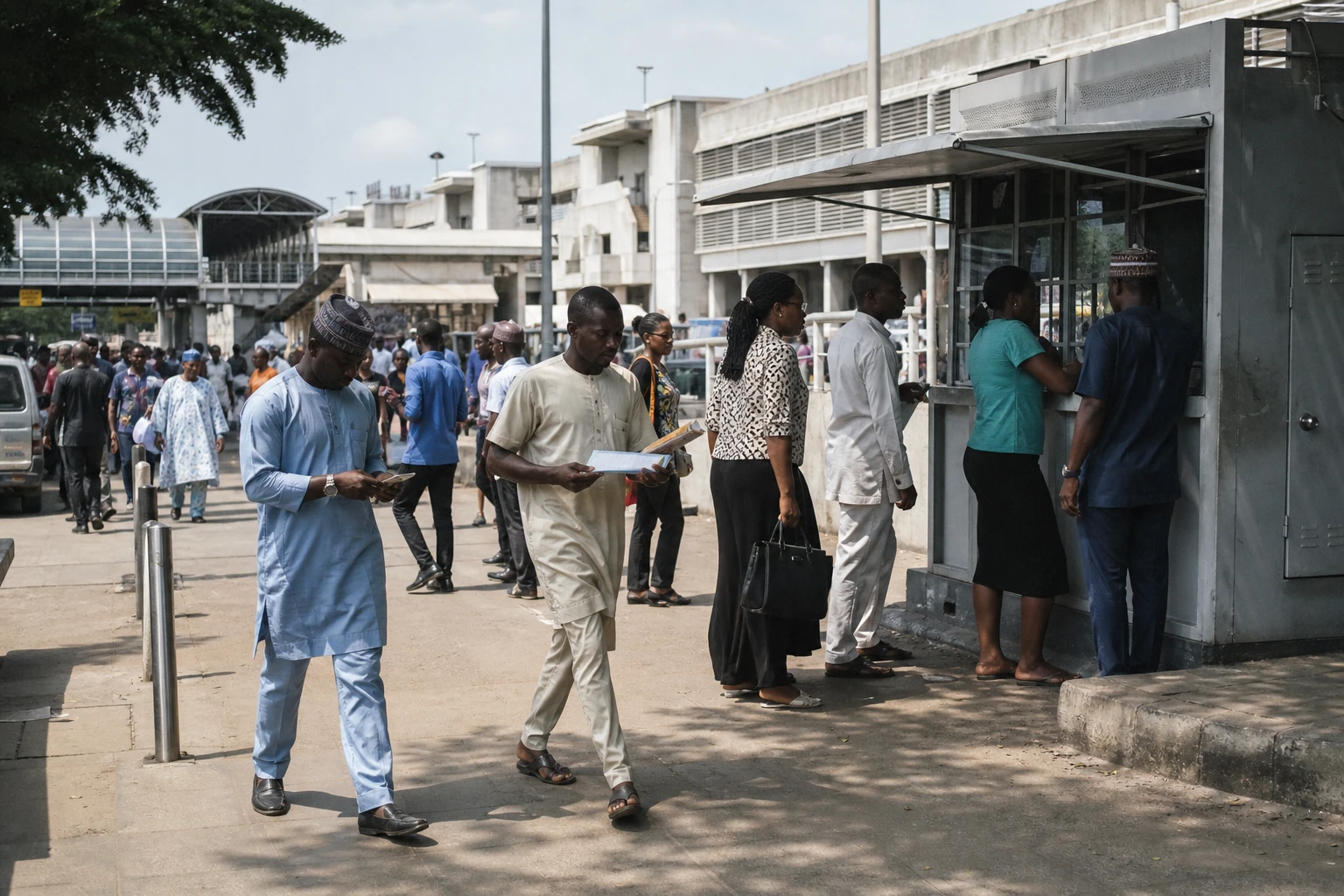
In Abuja, the question is no longer simply how much Nigeria borrows. It is how much of its public revenue can still fund infrastructure, social services and transfers to the states. The latest figures show debt rising, while the cost of servicing it remains one of the main sources of budgetary pressure.
A rise of 7.44 trillion naira in three months
Nigeria’s total public debt stood at 166.79 trillion naira on 30 June 2026, up from 159.35 trillion naira three months earlier. The increase was 7.44 trillion naira, or about 4.7% in one quarter, according to data published by the Nigerian Debt Management Office, the body responsible for monitoring and managing public debt.
In dollar terms, the debt stock rose from $114.95 billion on 31 March to $120.93 billion on 30 June. This comparison should, however, be treated with caution. The dollar value depends on the official exchange rate used to convert bonds denominated in naira and foreign currencies.
The African network AIT confirms the $5.98 billion difference between the two quarters. It also notes that exchange-rate movements can alter the naira value of external debt without automatically representing new borrowing of the same amount.
Domestic debt remains the larger share. It stood at $66.41 billion at the end of June, or 54.91% of the total. It had risen by $3.36 billion compared with March. External debt stood at $54.52 billion, up from $51.90 billion three months earlier.
This breakdown exposes Nigeria to two distinct risks. Domestic debt is heavily dependent on interest rates in the local market. External debt adds foreign-exchange risk, particularly when the naira depreciates against the dollar.
The federal government accounts for most of the debt
The federal government accounts for the largest share of the recorded liabilities. At the end of June, its external debt stood at $47.69 billion and its domestic debt at $63.08 billion. The 36 states and the Federal Capital Territory (FCT) held considerably smaller amounts combined.
The states and the FCT nevertheless accounted for $6.83 billion in external debt and $3.32 billion in domestic debt. This distinction matters in a federal country. Borrowing decisions made in Abuja affect the national budget as a whole, while local governments must preserve their own capacity to pay and fund spending.
Rising debt also comes at a time when the executive is seeking to reduce arrears owed to businesses. The government has approved the settlement of claims owed to more than 1,240 local contractors working for public ministries, departments and agencies. The announced amount is about 700 billion naira.
Paying these arrears can improve the cash flow of Nigerian businesses and restart some projects. It can also strengthen the state’s financial credibility. However, if funded through new borrowing or increased recourse to the domestic market, it also raises short-term financing needs.
Debt servicing limits fiscal room
The central problem is not only the nominal level of debt. It is above all the relationship between interest payments and the revenue actually collected by the federal government.
In its 2026 review of the Nigerian economy, the International Monetary Fund estimates that interest payments could account for 53.7% of federal government revenue in 2026. In other words, more than one naira in every two collected by Abuja could go towards interest payments, before principal is repaid.
Such pressure reduces the room available for spending on health, education, security and investment. It also complicates funding for social programmes aimed at households facing a rising cost of living.
The gradual removal of the fuel subsidy, foreign-exchange market reform and monetary tightening are among the measures introduced since 2023. They are intended to address longstanding imbalances, limit market distortions and strengthen public revenue.
These reforms nevertheless carry a social and political cost. The end of the subsidy has made transport and several essential goods more expensive. The depreciation of the naira has raised the price of imported goods. For urban households and workers in the informal economy alike, macroeconomic stability therefore does not immediately translate into higher disposable income.
A delicate balance for West Africa’s largest economy
Nigeria must now balance three imperatives. It needs to fund infrastructure, contain the cost of debt and prevent borrowing from further reducing essential spending. The timing and sources of financing will be crucial.
A larger share of domestic debt can reduce direct exposure to the dollar. It can, however, absorb some of the savings available in banks and push interest rates higher. External borrowing, by contrast, can offer longer maturities, but leaves the budget more exposed to movements in the naira and international financial conditions.
The issue also matters to the Economic Community of West African States, ECOWAS, a regional organisation of 15 countries. Nigeria plays a central role because of the size of its economy and population. Its budgetary choices influence trade, investment and financial stability across West Africa, even though management of its debt remains a national responsibility.
For neighbouring countries, a Nigeria able to fund its infrastructure and stabilise its currency can support regional demand. Conversely, a prolonged period of budgetary pressure could reduce imports, slow some cross-border projects and limit Abuja’s ability to fund its regional commitments.
The next step will be to see whether the rise recorded in the second quarter continues in the second half of the year. Tax revenue, the cost of bond issues and the share of spending actually allocated to investment will also need to be monitored. The debate in Nigeria is therefore not just about the size of the debt, but about how well it is used and the state’s ability to turn borrowing into sustainable growth.