
 Algeria
 Egypt
 Libya
 Morocco
 Sudan
 Tunisia
 Benin
 Burkina Faso
 Cabo Verde
 Côte d'Ivoire
 Ghana
 Guinea
 Guinea-Bissau
 Liberia
 Mali
 Mauritania
 Niger
 Nigeria
 Senegal
 Sierra Leone
 The Gambia
 Togo
 Cameroon
 Central African Republic
 Chad
 DR Congo
 Equatorial Guinea
 Gabon
 Republic of the Congo
 São Tomé and Príncipe
 Burundi
 Comoros
 Djibouti
 Eritrea
 Ethiopia
 Kenya
 Madagascar
 Malawi
 Mauritius
 Mozambique
 Rwanda
 Seychelles
 Somalia
 South Sudan
 Tanzania
 Uganda
 Angola
 Botswana
 Eswatini
 Lesotho
 Namibia
 Zambia
 Zimbabwe
A catalogue that also tells an economic story
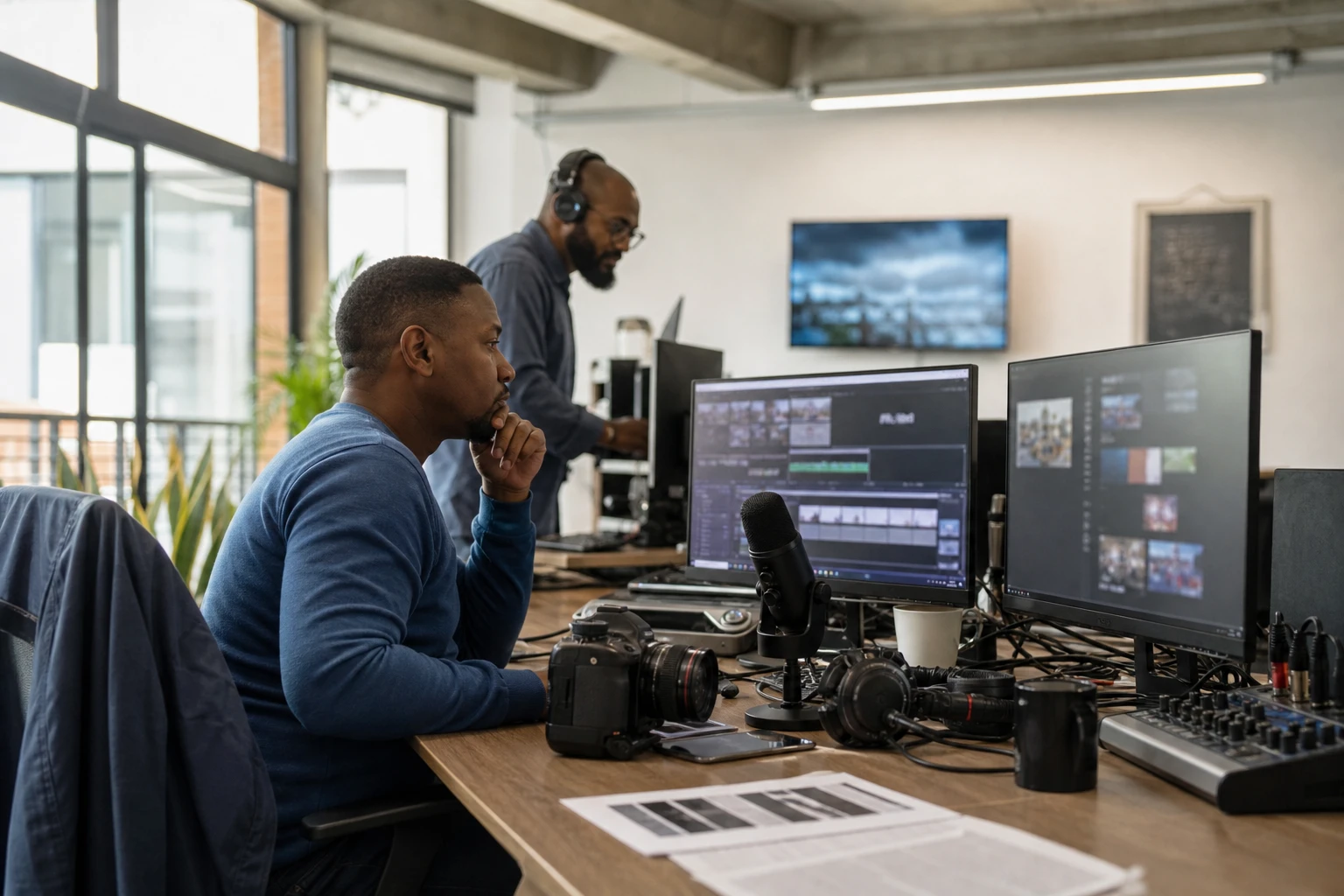
In Johannesburg, the celebration of ten years in the country was not just a platform anniversary. Above all, it recalled a broader reality: in South Africa, local stories have become an economic sector in their own right, with jobs, studios, technicians and production houses now working for an audience far beyond Pretoria and Cape Town.
The issue goes beyond entertainment. In a country where the authorities are still seeking to bring down mass unemployment, audiovisual production is treated as an industrial lever, not a showcase. The South African government continues to provide incentives for film and television, while the Department of Home Affairs launched the STAGES scheme in 2025, a digital one-stop service designed to streamline visas for international shoots and make the country more attractive.
Ten years on from 2016, Netflix deepens its South African roots
Netflix marked the milestone by unveiling a new South African slate and noting that it has been present in the country since 2016. The company says it has supported more than 8,000 jobs through partnerships with more than 30 local production companies, and made more than 300 South African titles available on the platform over the past decade.
The message is clear: the South African market is no longer just a place to consume content, but a space for creation. Ben Amadasun, Vice President of Content for the Middle East and Africa, said the platform wanted to continue sharing South African voices with the world while strengthening its cooperation with the local creative industry. This approach builds on a strategy that has been visible for several years, spanning original series, films, romantic comedies and reality formats made with local crews.
The new slate features eagerly awaited returns, original productions and adaptations of highly popular formats. It includes Blood Legacy season 2, Love Is Blind: South Africa, How to Ruin Diwali: Meet The Parents, Stars & Vows: Anele and Buzza, as well as several other projects in production. Netflix also says it is working with new South African partners, including Burnt Onion Productions, afrOkaans, Dopezuluboi Productions, BrightFire Productions, The Bomb Shelter Film Productions and Tshedza Pictures.
Stories rooted in local life, but made to travel
What is changing in this strategy is its scale. The stories remain rooted in distinctly recognisable South African realities: Indian families in Durban, criminal worlds, neighbourhood dramas, weddings, social rivalries, road comedies and romances filmed in Cape Town or Johannesburg. But their international circulation gives them new value. A series produced in Rosebank can now be watched in the same month in Lagos, Nairobi, Paris or São Paulo.
This circulation matters for several reasons. First, it gives visibility to often unseen professions: set design, lighting, costume, editing, location scouting, logistics and post-production. It also feeds the local economy. The revenue from a shoot does not stop with the lead actors; it also flows to transport companies, equipment suppliers, hotels, restaurants and technical services. The South African authorities also present audiovisual production as an activity that can support employment and cultural exports.
The platform also highlights the benefits of training. In 2025, it launched the ScreenCraft Pathway programme with the Gauteng Film Commission and the KwaZulu-Natal Tourism and Film Authority, to train young South African professionals in technical and production roles. In 2026, the programme was renewed with a further 14 young participants, evidence that skills have become central to the sector.
For South Africa, a tool for image, value chains and cultural sovereignty
The stakes are also political, in the broad sense. South Africa, whose administrative capital is Pretoria, has for years sought to build a more diversified economy, capable of absorbing young workers and reducing dependence on traditional sectors. In this context, the creative industries play a strategic role: they create skilled jobs, support local businesses and project the country’s image in a global competition for film shoots.
However, the benefits are not evenly distributed. The major cities, especially Johannesburg and Cape Town, attract most of the productions, services and opportunities. Smaller companies remain more exposed to fluctuations in orders, payment delays and international competition. The South African debate over protecting audiovisual workers makes clear that growth in content alone does not resolve the vulnerabilities of creative employment.
This tension also explains the public authorities’ interest in more modern regulatory mechanisms. STAGES’ expedited visas, tax incentives and training programmes are intended to make the country more competitive with other filming hubs in Africa and beyond. At the same time, they reflect a simple idea: to remain attractive, a cultural ecosystem must facilitate the movement of talent, capital and crews without weakening local workers.
A trend with implications for all of Southern Africa
Across Southern Africa, the South African case sends a signal. Within SADC, the Southern African regional cooperation bloc, the contest for cultural added value is no longer being fought only on screens, but through the ability to retain talent, organise regional production chains and bring African stories into global distribution networks.
The next thing to watch will therefore be less the number of new titles than the strength of this model. The decisive questions are clear: how many sustainable jobs will be created, what share of spending will stay in the local economy, and which partnerships will enable South African creators to avoid being relegated to the role of service providers? If Netflix has celebrated ten years in the country, the true measure of the decade will be whether the sector can turn this start into a sustainable industry.



