
 Algeria
 Egypt
 Libya
 Morocco
 Sudan
 Tunisia
 Benin
 Burkina Faso
 Cabo Verde
 Côte d'Ivoire
 Ghana
 Guinea
 Guinea-Bissau
 Liberia
 Mali
 Mauritania
 Niger
 Nigeria
 Senegal
 Sierra Leone
 The Gambia
 Togo
 Cameroon
 Central African Republic
 Chad
 DR Congo
 Equatorial Guinea
 Gabon
 Republic of the Congo
 São Tomé and Príncipe
 Burundi
 Comoros
 Djibouti
 Eritrea
 Ethiopia
 Kenya
 Madagascar
 Malawi
 Mauritius
 Mozambique
 Rwanda
 Seychelles
 Somalia
 South Sudan
 Tanzania
 Uganda
 Angola
 Botswana
 Eswatini
 Lesotho
 Namibia
 Zambia
 Zimbabwe
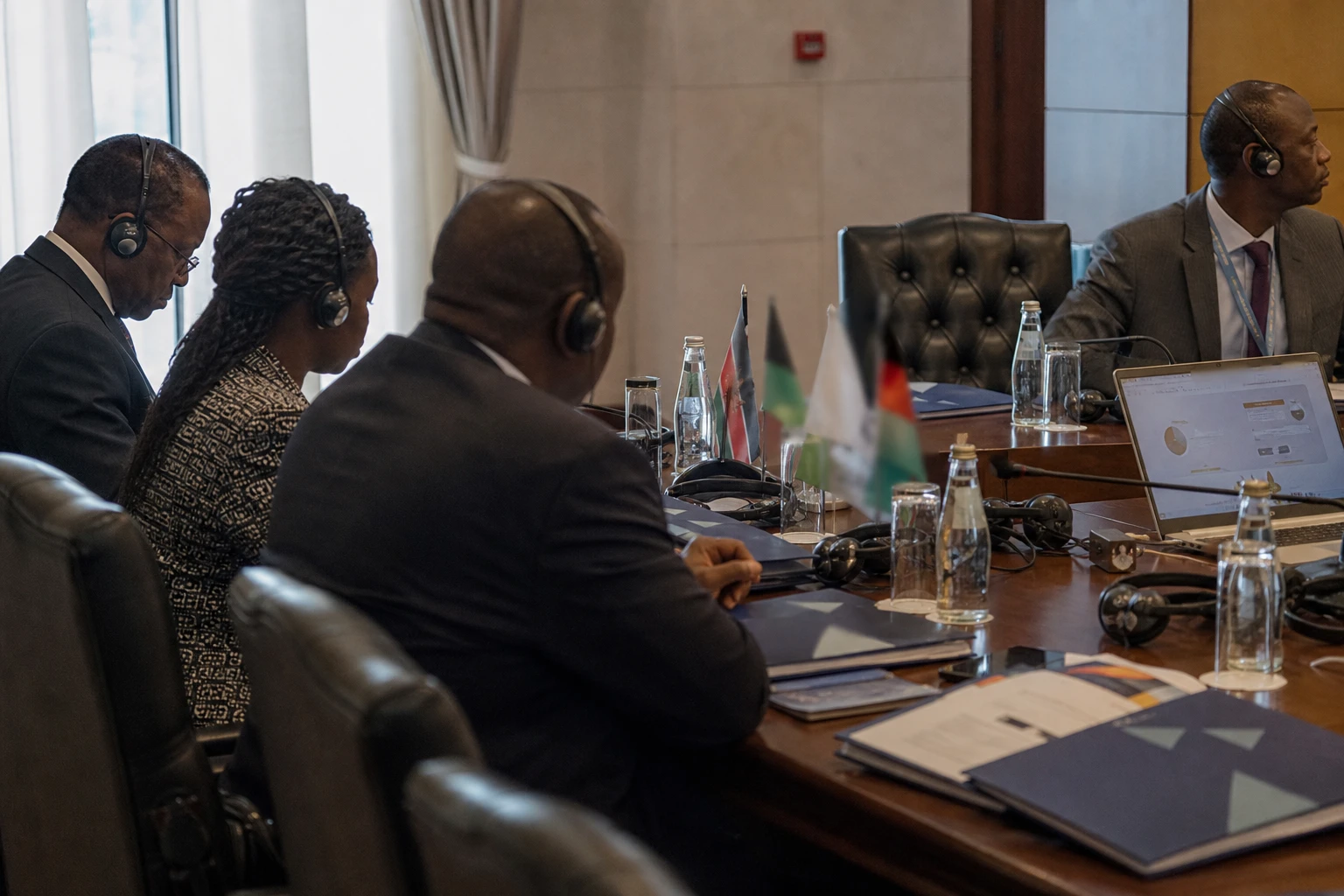
A shift that says something about Kenya’s market
In Nairobi, sound banks are increasingly attracting capital looking to put down roots, not merely observe. That is the crux of the NCBA deal: a profitable Kenyan group with a regional footprint and a strong digital presence is coming under South African control without leaving its home market. The decision therefore concerns more than shareholders. It also affects Kenya’s position in East Africa’s banking contest.
The move comes amid a regional environment in which banks are seeking to expand beyond national borders. The East African Community, through its Competition Authority, began reviewing the proposed deal as early as 1 May 2026, noting that it involved Nedbank’s acquisition of 66% of NCBA’s issued share capital. In other words, the deal was examined not only in Nairobi, but also within the community framework governing cross-border transactions.
What Kenyan and regional regulators say
On 31 August 2026, the Central Bank of Kenya confirmed that it had approved, on 28 August, Nedbank Group Limited’s takeover of NCBA Group PLC under section 13(4) of the Banking Act, which requires the regulator’s prior approval for any significant change in shareholding. In the same statement, it said it considered the deal likely to support the stability, resilience and competitiveness of Kenya’s banking sector. Regulatory approval will not, however, make the transaction effective until the conditions agreed between the two groups have been met.
The deal has progressed in stages. Nedbank launched its offer on 28 May 2026 and closed it on 10 July 2026. According to its own documents, 79.9% of NCBA’s outstanding shares were tendered, exceeding the initial target of 66%. The South African group said it had secured this controlling stake without giving up its regional focus, but by changing its approach: rather than holding a minority stake in a pan-African player, it is opting for direct control of an East African asset listed in Nairobi.
The structure of the deal is also revealing. For every 100 NCBA shares tendered, shareholders receive 4.02994 Nedbank shares and KSh2,100 in cash. Where the theoretical allocation amounts to fewer than 200 Nedbank shares, payment is made entirely in cash, at KSh10,500 for every 100 NCBA shares, according to the offer document. This combination of shares and cash limits the call on Nedbank’s cash reserves, while transferring some of the value to Kenyan sellers, who are now set to become shareholders in the Johannesburg-listed group.
Why NCBA is so attractive to Nedbank
NCBA is not a troubled target. Quite the opposite. For the first half of 2026, the group reported profit after tax of KSh12.4bn, up 12.2%, and total assets of KSh739bn. It also reported growth in digital activity and in its SME loan book. In a banking market where scale, funding costs and digital distribution are becoming increasingly important, NCBA remains a profitable and strategic asset.
Headquartered in Nairobi, the group operates in Kenya, Uganda, Tanzania and Rwanda, and also has a broader presence in the region and beyond. Its strategic value lies not only in its branches. It is also rooted in its position in lending, brokerage, insurance, investment banking and digital services. NCBA also notes that its services include M-Shwari, the mobile credit product operated with Safaricom’s M-Pesa, which has become a major driver of financial inclusion in the country.
For Nedbank, the rationale is clear: to strengthen its presence across Southern and East Africa while exiting a sizeable minority investment heavily exposed to governance and valuation risks. The South African group has itself said it wants to refocus on markets where it can exercise more direct control. The acquisition of NCBA gives it a clearer regional platform, with Nairobi as its base, while NCBA remains listed on the Nairobi Securities Exchange.
What this means for Kenyan players and the region
For Kenyan shareholders, the deal turns a local asset into a stake in a major South African group listed in Johannesburg. Some see it as an attractive exit, thanks to the premium built into the offer. Others view it as a dilution of national control over an institution founded in Kenya that has become an important source of financing for households, SMEs and the digital sector. Both interpretations coexist, and both are consistent with a financial centre where decisions are increasingly made on a regional scale.
For Kenya’s market, the stakes are broader. The CBK says it expects the deal to strengthen stability and competition. That assessment is not neutral. It means the regulator accepts that foreign control can consolidate a local bank without undermining the sector’s balance. In a country where Nairobi remains East Africa’s main financial centre, the signal matters to investors, but also to rival banks, which will have to defend their margins, deposits and digital channels.
At the continental level, the deal illustrates a clear trend: African banking groups are no longer content to promote a pan-African vision. They are seeking controlling stakes, profitable markets and digital bridges. The NCBA-Nedbank case also shows that African financial integration depends as much on national regulators as on regional institutions such as the EAC Competition Authority. What happens next will depend on the agreement’s final conditions and the effective transfer of control, both of which are now subject to regulatory oversight in Nairobi and across East Africa.



