Algeria
 Egypt
 Libya
 Morocco
 Sudan
 Tunisia
 Benin
 Burkina Faso
 Cabo Verde
 Côte d'Ivoire
 Ghana
 Guinea
 Guinea-Bissau
 Liberia
 Mali
 Mauritania
 Niger
 Nigeria
 Senegal
 Sierra Leone
 The Gambia
 Togo
 Cameroon
 Central African Republic
 Chad
 DR Congo
 Equatorial Guinea
 Gabon
 Republic of the Congo
 São Tomé and Príncipe
 Burundi
 Comoros
 Djibouti
 Eritrea
 Ethiopia
 Kenya
 Madagascar
 Malawi
 Mauritius
 Mozambique
 Rwanda
 Seychelles
 Somalia
 South Sudan
 Tanzania
 Uganda
 Angola
 Botswana
 Eswatini
 Lesotho
 Namibia
 Zambia
 Zimbabwe
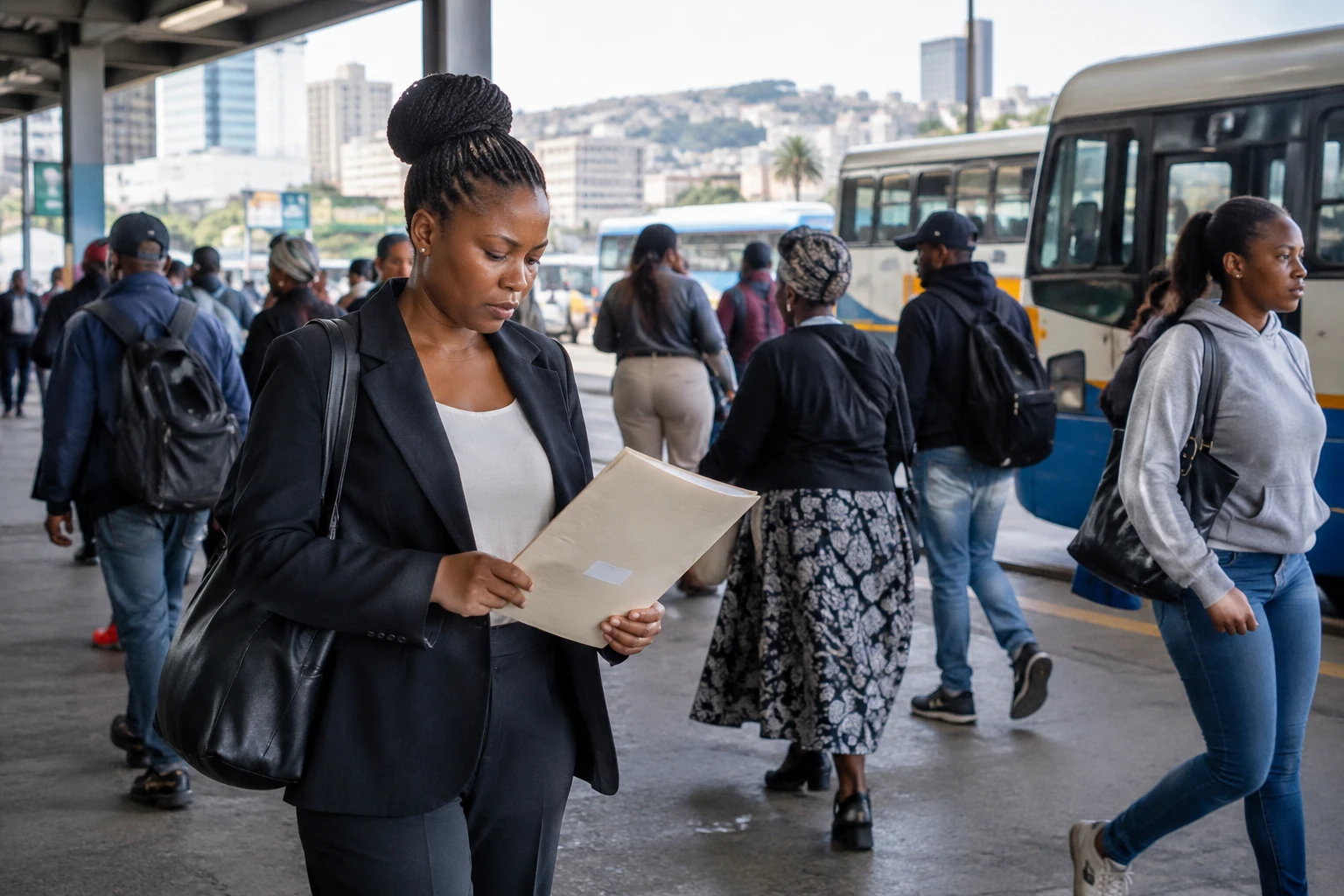
Under apartheid in Durban, Navi Pillay defended opponents of the regime. Decades later, the South African jurist has received the Nobel Peace Prize for her commitment to international law. The award highlights an urgent question: what can justice still achieve when its decisions and institutions are challenged?
From Durban to international courts
The Norwegian Nobel Committee announced in Oslo on Friday 9 October 2026 that Navanethem “Navi” Pillay would receive the Nobel Peace Prize. Aged 85, she is being recognised for her efforts in support of peace and international law. The committee’s chair, Jørgen Watne Frydnes, praised her role in the prosecution of war crimes, crimes against humanity and genocide. The Associated Press and other media reported the announcement.
Born in Durban, South Africa, into a family of Tamil origin, Pillay began practising law in 1967. She was the first woman to open a law firm in Natal province, according to the biography published by the International Criminal Court. Under apartheid, she defended activists opposed to the regime and brought cases of torture and the conditions in which political prisoners were held to light.
After the end of apartheid, Nelson Mandela appointed her to the South African High Court. Her career then took her to the International Criminal Tribunal for Rwanda, which was set up to try those responsible for the 1994 genocide against the Tutsi. She also served as a judge at the International Criminal Court, before becoming United Nations High Commissioner for Human Rights from 2008 to 2014. These roles placed her at the heart of cases in which establishing the facts, criminal responsibility and protecting victims collide with political power dynamics.
Gaza case draws focus
In recent years, Pillay chaired an independent commission of inquiry of the UN Human Rights Council into the Occupied Palestinian Territory, including East Jerusalem, and Israel. In a report published on 16 September 2025, the commission concluded that Israeli authorities and forces had committed and continued to commit genocide in the Gaza Strip. This is the commission of inquiry’s conclusion, not a ruling by a court.
The distinction matters. A United Nations commission of inquiry gathers and analyses evidence, then draws conclusions within its mandate. It does not hand down criminal convictions. The report is available on the United Nations website. Israel has rejected the genocide allegations and disputed the commission’s conclusions, while international investigations and legal proceedings follow their own paths.
The International Court of Justice, by contrast, settles disputes between states and can issue orders or advisory opinions. South Africa brought a case before it in December 2023 under the Genocide Convention. The proceedings are separate from the work of the commission chaired by Pillay: the two bodies have different mandates and functions. Confusing their conclusions would blur the legal significance of each.
Recognition resonates in southern Africa
For South Africa, the award connects two moments in its history without conflating them: the struggle against a system of racial segregation and current debates over the equal application of international law. The country has made its experience of transition and its Constitution part of its diplomatic identity. But its position on Gaza has also prompted disagreements abroad and put Pretoria at the centre of an international debate in which legal issues intersect with political alliances.
The regional significance extends beyond South African diplomacy. As a member of the Southern African Development Community (SADC), South Africa operates within a bloc that presents peace, security and cooperation between states as priorities. At continental level, the African Union’s Peace and Security Council is tasked with helping to prevent and resolve conflicts. The African Union describes the council as a pillar of its peace and security architecture, particularly in preventing serious crimes and upholding the rule of law.
The Nobel prize does not, however, change court decisions or government positions. It recognises a career and draws attention to legal accountability at a time when international institutions are under pressure. For governments, the challenge is to ensure consistency between the principles they champion and their actions. For populations, proceedings do not erase violence, but they can establish facts, preserve evidence and pave the way for accountability.
What the award changes — and what it does not
The Nobel Prize brings fresh attention to Pillay’s career and the work of international courts. It is not, however, a judicial ruling on Gaza or an answer to the challenges facing these institutions. Its immediate effect is chiefly political and symbolic: it puts international law at the centre of current affairs and serves as a reminder that peace depends not only on ceasefires, but also on rules that are recognised and enforced.
For Pretoria and its SADC partners, attention will turn to how African states defend these principles in regional and multilateral forums. At African Union level, the question remains practical: how can common standards be upheld when states’ interests diverge? Pillay’s journey, from Durban to international courts, gives this question particular resonance in South Africa, without offering an answer in itself.