Algeria
 Egypt
 Libya
 Morocco
 Sudan
 Tunisia
 Benin
 Burkina Faso
 Cabo Verde
 Côte d'Ivoire
 Ghana
 Guinea
 Guinea-Bissau
 Liberia
 Mali
 Mauritania
 Niger
 Nigeria
 Senegal
 Sierra Leone
 The Gambia
 Togo
 Cameroon
 Central African Republic
 Chad
 DR Congo
 Equatorial Guinea
 Gabon
 Republic of the Congo
 São Tomé and Príncipe
 Burundi
 Comoros
 Djibouti
 Eritrea
 Ethiopia
 Madagascar
 Malawi
 Mauritius
 Mozambique
 Rwanda
 Seychelles
 Somalia
 South Sudan
 Tanzania
 Uganda
 Angola
 Botswana
 Eswatini
 Lesotho
 Namibia
 South Africa
 Zambia
 Zimbabwe
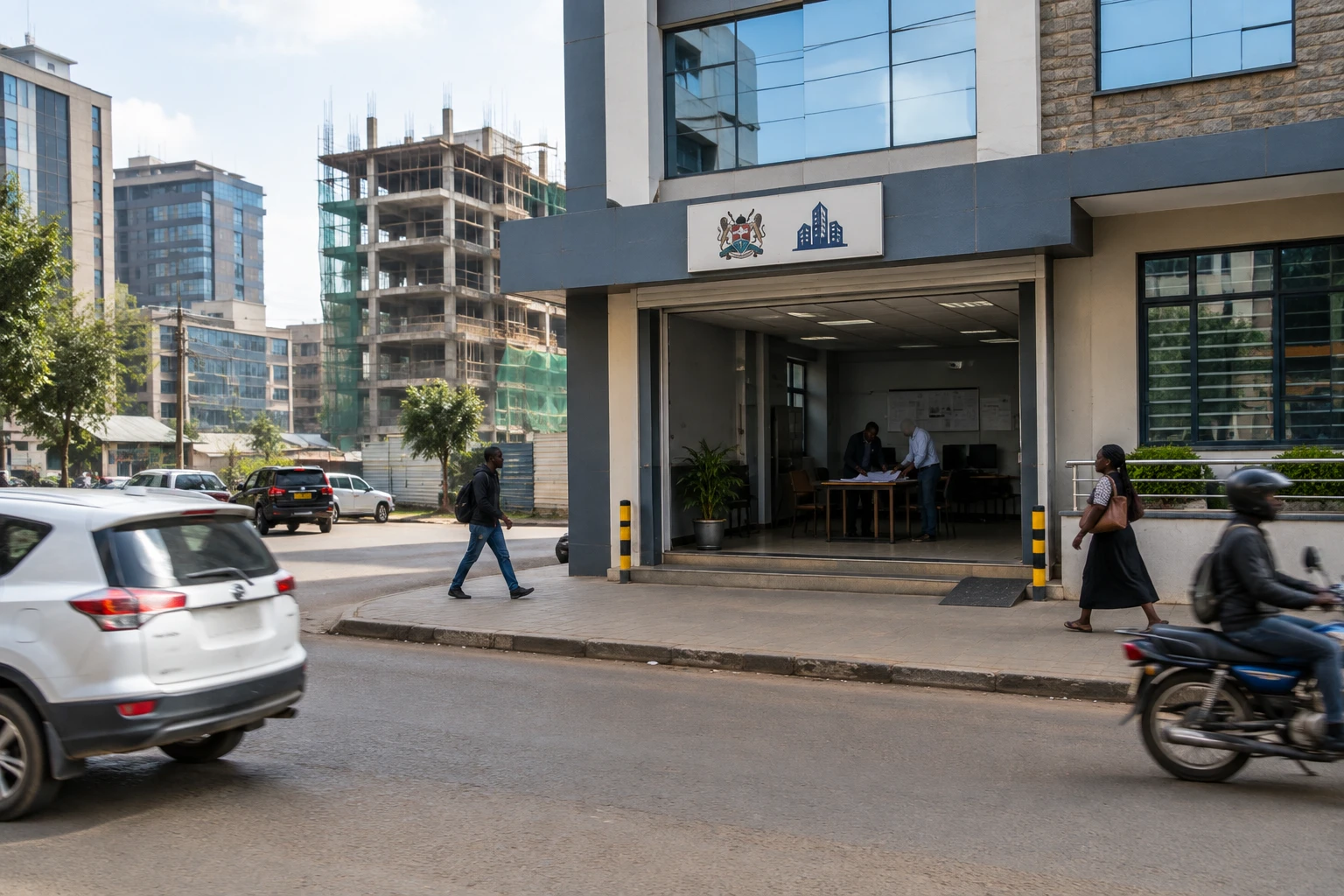
In Eastleigh, a commercial district of Nairobi, families are still waiting for news as rescue teams search through a mass of concrete and steel. A week after a building under construction collapsed, the discovery of the first body marked a painful turning point, but the search continued.
Search continues at difficult Nairobi site
The building collapsed on Friday 23 October 2026 in Eastleigh, north-east of the Kenyan capital. On Friday 30 October, rescuers recovered a woman’s body from beneath the rubble. Her identity was yet to be established, including through DNA testing, according to reports in the Kenyan press.
On Friday, 16 people were still reported missing, according to figures from authorities cited by several media outlets. The number changed over the days as teams checked reports from relatives. It should therefore be understood as a count at that date, not a final total.
Rescuers had pulled four people out alive in the first days after the accident. No other survivors had been brought out of the rubble since Saturday 24 October, according to available reports. Thermal imaging equipment supplied by a Chinese team had detected two people beneath the rubble earlier in the week. That detection alone, however, did not confirm their condition.
The operation is taking place in a densely built-up area, amid tonnes of material and with limited access. The presence of a neighbouring building and risks associated with the stability of the rubble are making the teams’ work more difficult. Thermal cameras can help detect heat sources, but they cannot replace physical access to victims or their identification.
Building occupied before required checks
Construction was still under way when the building collapsed. Businesses on the lower floors, including the ground floor and basement, had reportedly already begun operating. Nairobi Governor Johnson Sakaja said the project did not have the required building permits and that the premises had been occupied illegally.
The governor also stressed that the rules require an inspection and the issuing of an occupation certificate before a building opens to the public. The document certifies that the necessary regulatory checks have been carried out. The precise circumstances of the collapse and any possible responsibility nevertheless remain to be established by the relevant investigations.
Initial reports sometimes differ on the building’s exact height. Some accounts say it had 18 storeys, while others refer to 16 levels or more than ten floors under construction. This discrepancy alone is not enough to conclude that there was a counting error: the number of levels authorised, built and completed may vary between descriptions. The authorities and investigators will need to clarify these details.
Families of those missing have been camping near the site for several days, waiting for information. Some say they fear their relatives did not survive after the first 72 hours had passed, a period often considered particularly important in search operations. This benchmark does not, however, determine the fate of someone trapped. The authorities have not announced that the search is over.
Beyond the rescue, scrutiny of construction oversight
The disaster has put the enforcement of permits, inspections and occupation certificates in Nairobi at the centre of debate. The governor’s announcement that permits were missing raises questions about public oversight. It does not establish the technical cause of the collapse, which must be examined through the plans, materials, construction methods and roles of the various parties involved.
The distinction matters to residents and industry professionals alike. If premises open before inspection, workers, traders and customers may be exposed to risks they cannot assess. Conversely, construction teams, developers and owners cannot be held responsible solely on the basis of a political statement: the findings of the investigation must be made public and examined.
Eastleigh is a busy commercial hub where retail, services and urban construction projects intersect. The collapse therefore affects more than the people inside the building: neighbouring businesses may suspend operations, employees may lose days of work, and residents may face the consequences of restrictions around the site. The effects vary depending on whether people rely on a salary, a small shop or informal work.
The Kenya Red Cross, police, public services and Nairobi authorities are involved in the search or in tracking people reported missing. Their coordination is essential to cross-check lists, inform families and avoid premature announcements. The first figures released after a disaster may include duplicate entries or people who left the site before the accident.
Urban challenge beyond the capital
The case primarily concerns Nairobi and the Kenyan institutions responsible for urban planning, construction and safety. It also reflects a regional reality: East African cities are growing and accommodating new homes, businesses and infrastructure. The East African Community (EAC), a regional organisation bringing together Kenya and several neighbouring countries, does not replace national authorities in issuing permits. But building safety and infrastructure quality concern cities across the region.
For Kenya, the immediate challenge is twofold: continue the search and establish the facts. The next steps will be identifying the victim, verifying how many people remain unaccounted for and reaching conclusions from investigations into permits and construction. How Nairobi makes those findings accessible will affect the confidence of families, local residents and users in construction oversight.
Reports on the discovery of the body and the number of people missing were cross-checked against accounts by The Standard and The Star. The first days of the operation are also documented by People Daily.