Algeria
 Egypt
 Libya
 Morocco
 Sudan
 Tunisia
 Benin
 Burkina Faso
 Cabo Verde
 Côte d'Ivoire
 Ghana
 Guinea
 Guinea-Bissau
 Liberia
 Mali
 Mauritania
 Niger
 Nigeria
 Senegal
 Sierra Leone
 The Gambia
 Togo
 Cameroon
 Central African Republic
 Chad
 DR Congo
 Equatorial Guinea
 Gabon
 Republic of the Congo
 São Tomé and Príncipe
 Burundi
 Comoros
 Djibouti
 Eritrea
 Ethiopia
 Kenya
 Madagascar
 Malawi
 Mauritius
 Rwanda
 Seychelles
 Somalia
 South Sudan
 Tanzania
 Uganda
 Angola
 Botswana
 Eswatini
 Lesotho
 Namibia
 South Africa
 Zambia
 Zimbabwe
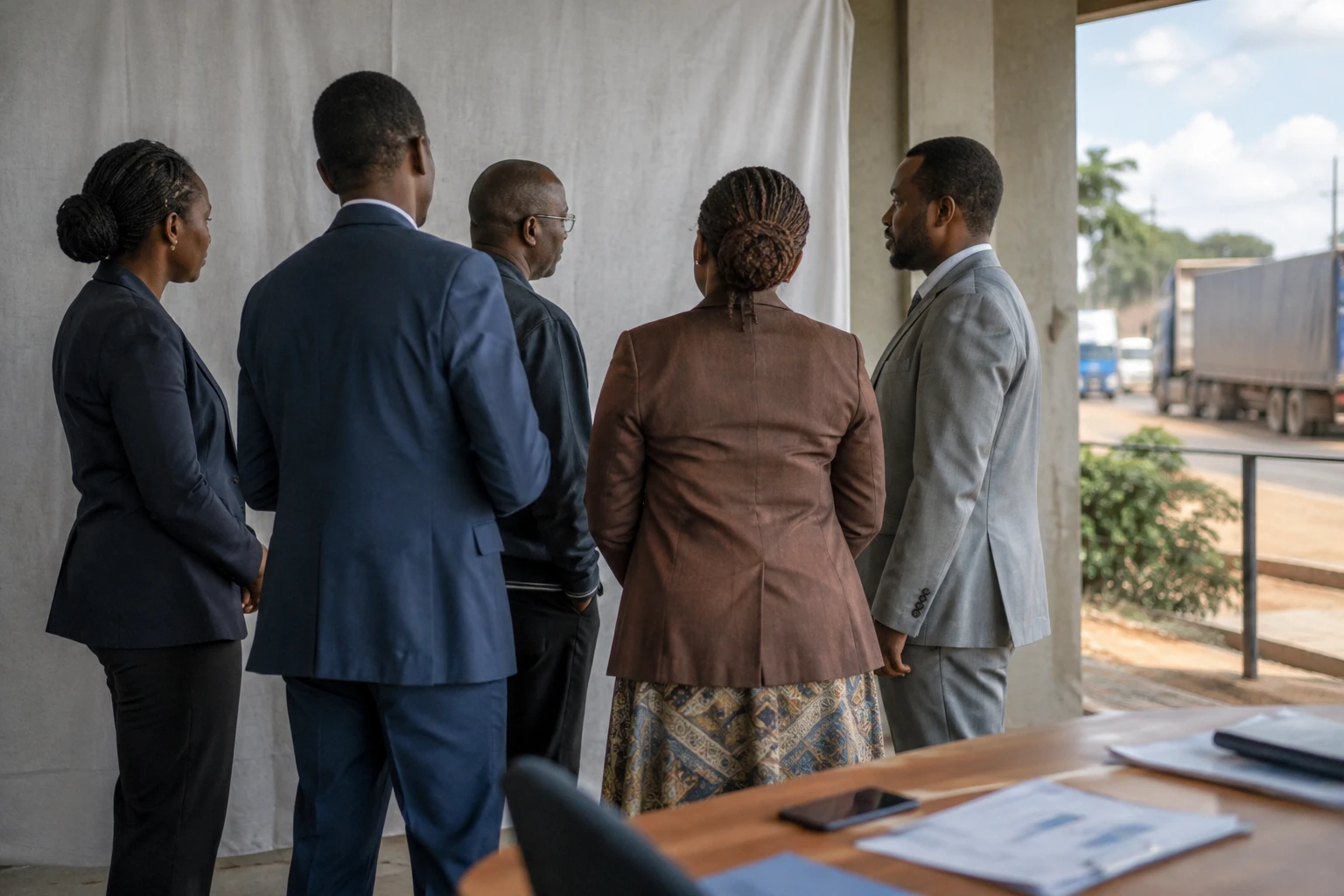
In Ressano Garcia, a Mozambican town on the South African border, ore trucks sustain a major trade route. They also raise questions about pollution, residents’ safety and the possibility of documenting abuses. The death of blogger Mano Shottas has brought these issues together beside a road carrying cargo bound for global markets every day.
A death filmed amid heightened tensions
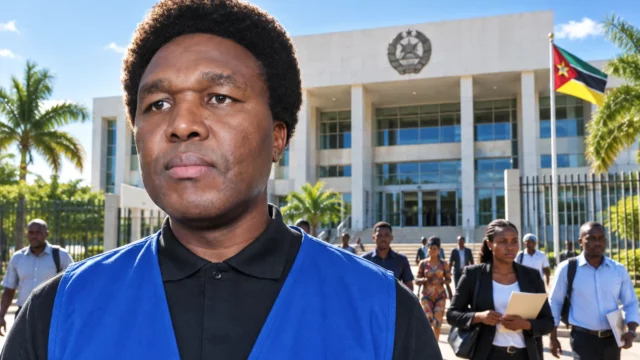
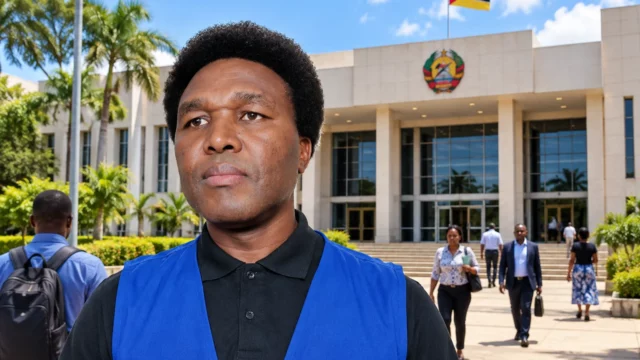
Albino José Síbia, known as Mano Shottas, was shot dead on 12 December 2024 in Ressano Garcia, in Maputo province. He was livestreaming a police operation during a demonstration. The footage shows shots being fired, then the wounded blogger saying he had been hit. He died a few hours later, according to the Committee to Protect Journalists (CPJ) and Amnesty International.
The demonstration was protesting, among other things, the effects of chrome transport. Residents were concerned about possible contamination of water and soil by ore residues. Police are alleged to have opened fire while Mano Shottas was filming an operation near homes. These circumstances have been reported by witnesses and human rights organisations; they call for an independent investigation to establish responsibility.
An investigation by Forbidden Stories examined the available footage and had its soundtrack analysed by a specialist. Its investigation places law enforcement in the area from which the shots may have come. This analysis is evidence to be assessed in judicial proceedings; it does not replace an official expert assessment or a court ruling.
On 30 December 2024, the Centre for Democracy and Human Rights (CDD), a Mozambican organisation, filed a civil complaint against the state. CPJ reports that no investigation had been announced by the time of its latest information. Mozambique’s Ministry of Justice and Ministry of the Interior did not respond to questions from Forbidden Stories investigators. The lack of a response does not, on its own, allow any conclusion to be drawn about the status of possible subsequent legal proceedings.
A trade corridor, local impacts
Ressano Garcia links Mozambique to South Africa and lies on the Maputo logistics corridor. The route leads to the port of Mozambique’s capital, which also serves as an outlet for South African goods. According to data cited by the Associated Press, 53% of the chrome ore and concentrate exported by South Africa in 2023 passed through Maputo. The figure highlights the regional importance of this route, but does not in itself measure the flows seen at Ressano Garcia.
Locally, heavy lorry traffic means congestion, dust and the risk of spillage. A recent Forbidden Stories investigation describes loads being cleaned or residues dumped near the road and waterways, sometimes at night. South African residents and farmers interviewed say they fear for the quality of the water and soil. South African environmental authorities said they were continuing their checks, while acknowledging the difficulty of detecting night-time dumping.
Potential risks must be distinguished from confirmed contamination. Chromium occurs in several forms, whose toxicity varies. The available evidence does not make it possible to establish the extent of exposure or its health effects in nearby communities. Independent, published and repeated sampling would be needed to assess the situation and identify any responsibility.
The economic chain extends beyond the border. South African ore reaches the port of Maputo before being shipped to international markets, notably for stainless steel production. The revenue and jobs associated with transport are not necessarily distributed in the same way as the nuisances: operators benefit from an efficient corridor, while people living near roads and loading areas bear more of the noise, dust and environmental risks.
Reporting under pressure after a disputed election
Mano Shottas’s death came amid a period of national tensions. The general election of 9 October 2024, won by Frelimo according to the declared results, was disputed by the opposition. Protests followed in several regions. Amnesty International has documented unlawful uses of force, arrests and restrictions on access to information between 21 October 2024 and 24 January 2025. These broader findings provide context for the blogger’s work, but do not in themselves establish the precise circumstances of his death.
Coverage of the funeral was also marked by violence. MISA Mozambique, a press freedom organisation, reported that a journalist with digital channel SPM TV was shot and wounded on 14 December while filming the funeral. This incident is a reminder that the risk does not affect only reporters employed by major media outlets. In secondary cities and border areas, mobile phones and social media are sometimes the main tools for reporting local events.
This citizen reporting broadens access to information, but increases the exposure of those filming. People interviewed about ore dumping were allegedly threatened, according to accounts gathered by Forbidden Stories. When witnesses ask to remain anonymous or choose not to speak, investigations into the environment and economic activity become more difficult. Communities then have fewer means of securing recognition of any harm.
An issue for Mozambique and southern Africa
The case is a challenge for Mozambican institutions: a complaint has been filed, but transparency about the judicial follow-up remains essential to establish the facts and respond to the family. It also concerns South Africa, where the ore originates, and the bodies responsible for monitoring its transport and any residues. Cooperation between the two countries matters, since the flows cross the border while their environmental consequences may affect communities on both sides.
The Southern African Development Community (SADC), a regional organisation of which Mozambique and South Africa are members, works on economic cooperation and governance, among other issues. Its role does not replace national investigations or courts. But the safety of journalists, access to information and oversight of trade corridors are issues that extend beyond one locality: they concern trust in institutions and the conditions for sustainable regional trade.
The next decisive steps are concrete: establish whether a judicial investigation has been opened, publish its findings, and make reliable data on water and soil quality available. In Ressano Garcia, the challenge is twofold: protect residents’ right to know the effects of mining traffic and ensure that those documenting these issues can work without violence or threats.