Algeria
 Egypt
 Libya
 Morocco
 Sudan
 Tunisia
 Benin
 Burkina Faso
 Cabo Verde
 Côte d'Ivoire
 Ghana
 Guinea
 Guinea-Bissau
 Liberia
 Mali
 Mauritania
 Niger
 Nigeria
 Senegal
 Sierra Leone
 The Gambia
 Togo
 Cameroon
 Central African Republic
 Chad
 DR Congo
 Equatorial Guinea
 Gabon
 Republic of the Congo
 São Tomé and Príncipe
 Burundi
 Comoros
 Djibouti
 Eritrea
 Ethiopia
 Kenya
 Madagascar
 Malawi
 Mauritius
 Rwanda
 Seychelles
 Somalia
 South Sudan
 Tanzania
 Uganda
 Angola
 Botswana
 Eswatini
 Lesotho
 Namibia
 South Africa
 Zambia
 Zimbabwe
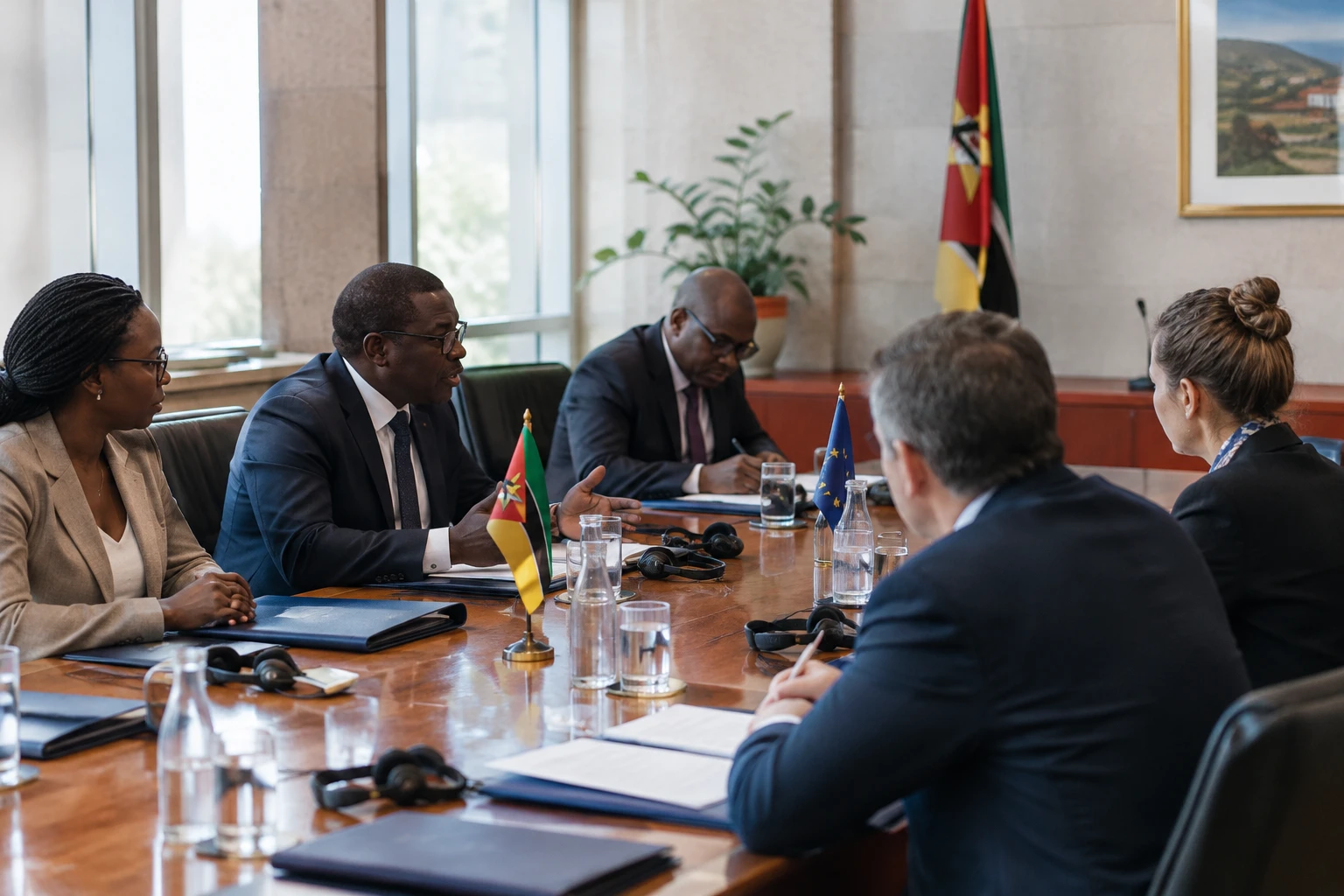
For Mozambique, a deferred repayment can avoid an immediate cash outflow. On its own, it does not reduce the amount owed. That distinction gives the agreement with China its full significance, as Maputo also seeks new financing and arrangements with other creditors.
A timetable agreement, not a cancellation
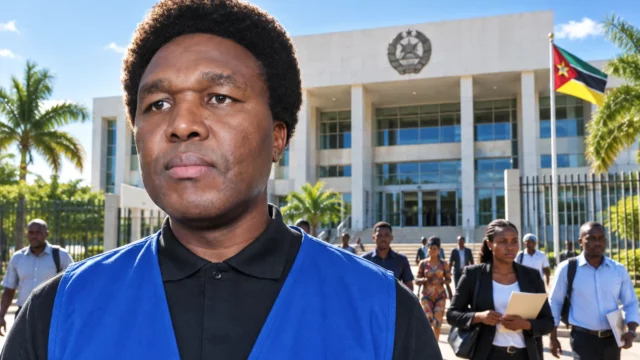
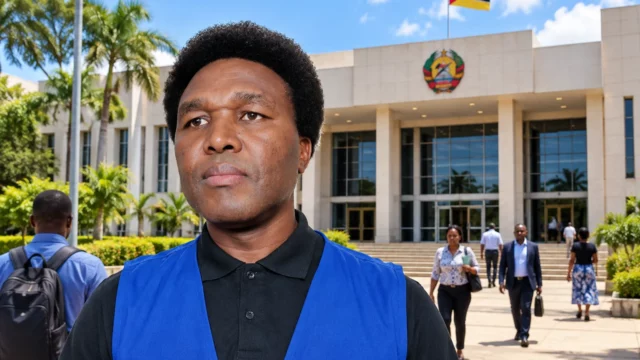
On Monday 26 October, Mozambican Finance Minister Carla Loveira and Chinese Ambassador Zheng Xuan signed a framework agreement in Maputo to restructure certain repayments. The ministry says it forms part of the public debt management strategy for 2025-2029 and aims to better align repayment schedules with the state’s capacity. The financial instruments required still need to be formalised with Exim Bank, China’s state-owned export-import bank. The Pan-African agency APA reports the terms announced in Maputo.
The amount involved and the new repayment schedule are not public. The agreement therefore does not, at this stage, constitute a cancellation of these claims. It is in addition to a separate measure announced in April: Beijing had then written off 204 million yuan of interest-free loans that fell due in December 2024, according to the Mozambican Finance Ministry. This precedent shows that debt relief can take several forms, but the two decisions should not be confused.
China is the country’s largest bilateral creditor. Official data cited in recent reports put Mozambique’s debt to Beijing at about $1.28 billion at the end of June, or nearly 15% of external debt. These figures illustrate the importance of the relationship without making China the sole explanation for the budgetary difficulties.
Pressure that goes beyond Chinese debt
The International Monetary Fund estimates that Mozambique’s public debt stood at about 91% of GDP at the end of 2024, and judges its trajectory unsustainable without credible measures. Its analysis published in 2026 also describes payment arrears and difficult financing conditions. The 91% figure therefore relates to 2024, not 2025, contrary to some initial presentations. The IMF’s debt sustainability analysis details these risks.
The current crisis has a longer history. In 2016, the revelation of undisclosed state-guaranteed loans exceeding $2 billion triggered a crisis of confidence and complicated the country’s access to external financing. Since then, deficits, limited financing and payment delays have weighed on the state’s room for manoeuvre. The IMF notes that budgetary constraints have led to spending cuts, notably on goods, services and public investment.
The government also wants to discuss matters with other bilateral creditors. Among the options under consideration is the conversion of debt into investment: instead of conventional repayment, part of the sums would be directed towards agreed projects. The modalities, amounts and safeguards of such mechanisms remain to be established. Their value will depend in particular on the transparency of the agreements and the choice of projects, as well as on their actual effect on public spending.
The IMF and gas revenues, two uncertain prospects
In parallel, Maputo is seeking a financial programme with the IMF. A technical mission visited the capital from 9 to 18 September 2026. At its conclusion, the Fund said discussions on the reforms needed for a possible programme would continue. There is therefore no financing agreement yet. The authorities estimate their additional external financing needs at $528 million, according to information provided by the government and reported in the press.
These negotiations have very concrete consequences. For the state, rescheduling can ease cash pressure in the short term and preserve spending capacity. For companies awaiting public payments, local authorities and households dependent on public services, the outcome will be measured more in the continuity of payments and investment. Time gained does not guarantee that these resources will actually be devoted to everyday needs.
Natural gas is often presented as a future source of revenue, but it does not resolve immediate needs. The Mozambique LNG project, in Cabo Delgado province, has resumed after being halted by insecurity. First exports are expected in 2029. Revenues will depend on the project’s implementation, its timetable and the returns accruing to the state; they therefore cannot be treated as funds already available.
A challenge for Mozambique and the SADC
Mozambique belongs to the Southern African Development Community (SADC), which brings together countries with very different debt situations and resources. The organisation’s macroeconomic bulletin indicates that in 2024 Mozambique’s public debt reached 71.8% of GDP according to its statistical series. This figure is not directly interchangeable with the IMF estimate: the periods, coverage and calculation methods differ. The comparison nonetheless underlines that debt management also takes place in a regional context where several states face budgetary constraints. The SADC statistical bulletin presents the regional data.
What comes next will play out on several fronts: formalising the agreement with Exim Bank, discussions with other creditors and progress in talks with the IMF. For Maputo, the challenge is not only to postpone repayments. It is to gain budgetary room without durably increasing the burden, while preserving public spending in an economy where gas revenues still lie ahead.