Algeria
 Egypt
 Libya
 Morocco
 Sudan
 Tunisia
 Benin
 Burkina Faso
 Cabo Verde
 Côte d'Ivoire
 Ghana
 Guinea
 Guinea-Bissau
 Liberia
 Mauritania
 Niger
 Nigeria
 Senegal
 Sierra Leone
 The Gambia
 Togo
 Cameroon
 Central African Republic
 Chad
 DR Congo
 Equatorial Guinea
 Gabon
 Republic of the Congo
 São Tomé and Príncipe
 Burundi
 Comoros
 Djibouti
 Eritrea
 Ethiopia
 Kenya
 Madagascar
 Malawi
 Mauritius
 Mozambique
 Rwanda
 Seychelles
 Somalia
 South Sudan
 Tanzania
 Uganda
 Angola
 Botswana
 Eswatini
 Lesotho
 Namibia
 South Africa
 Zambia
 Zimbabwe
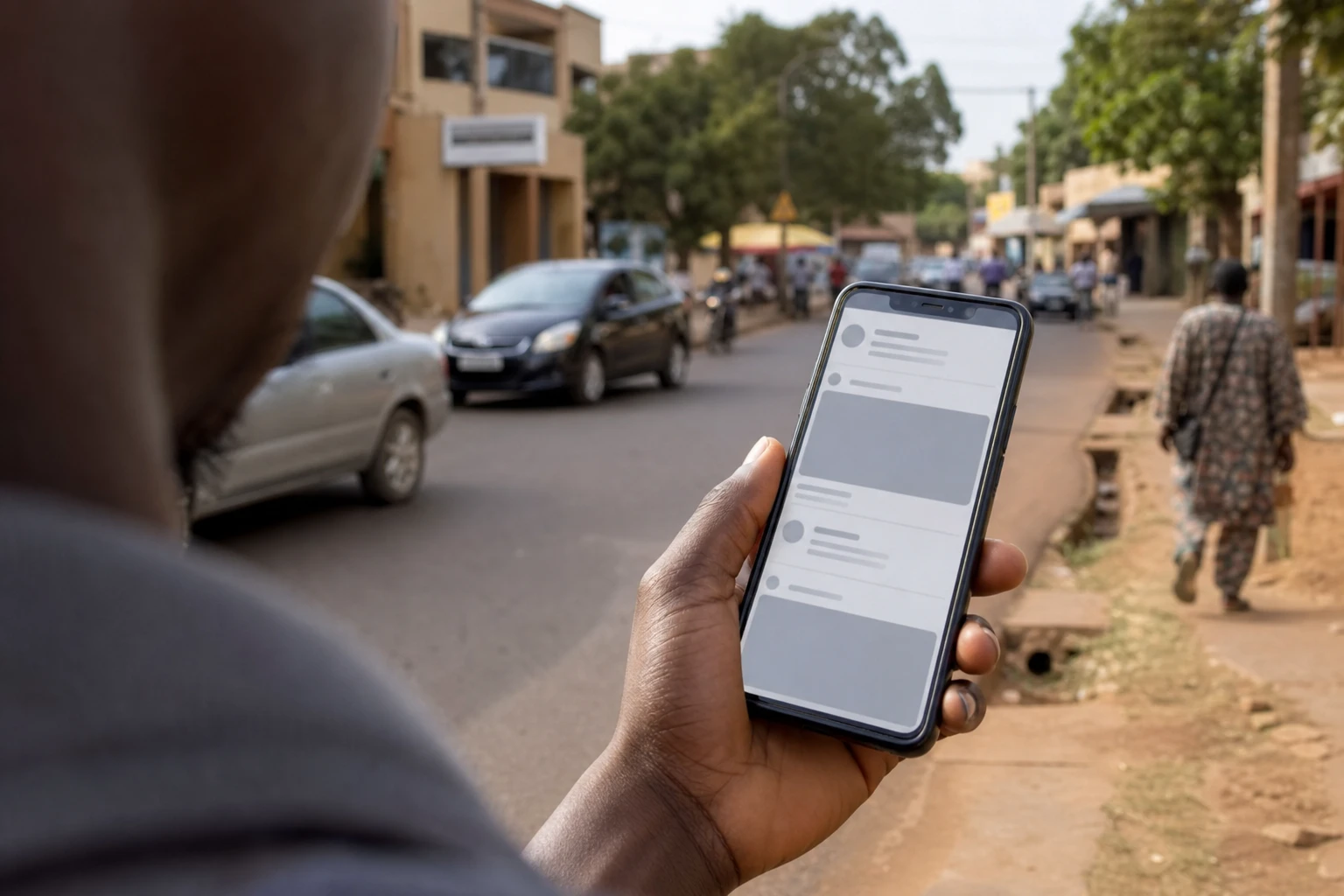
In Bamako, the lack of news has become the defining fact in the Mountaga Tall case. Since the night of 2–3 May 2026, the lawyer and former Malian minister has been missing. Five months later, his family is still waiting for official information about where he is being held, his health and the legal basis for his deprivation of liberty.
A disappearance amid a tougher political climate
Mountaga Tall is a longstanding figure in Malian public life. A lawyer, political leader and former minister, he took part in the pro-democracy struggle that accompanied the end of Moussa Traoré’s rule in 1991. He later led the National Congress for Democratic Initiative, or CNID, a historic party in Mali’s multi-party system.
In recent years, he had also moved closer to the 5 June Movement-Rally of Patriotic Forces, or M5-RFP, the coalition that helped bring down President Ibrahim Boubacar Keïta in 2020. This trajectory placed him among the critics of the military-led transition from Bamako.
According to the account given by his family, armed, masked men arrived at his home in the capital shortly before midnight. They reportedly did not present an arrest warrant or explain the reasons for their intervention. The Associated Press reported the information on 3 May 2026, and Human Rights Watch later revisited and documented it in early June.
Mountaga Tall’s disappearance came days after serious, coordinated attacks on Malian military positions. The transitional authorities subsequently cited suspicions of complicity involving military personnel and civilian figures. Several arrests were reported in this context. However, no public judicial charge has so far established a link between these suspicions and the former minister’s disappearance.
Family members receive no answers from the courts
Mountaga Tall’s family has lodged a complaint with the Malian justice system for abduction and disappearance. It has also taken steps before the United Nations Committee on Enforced Disappearances. The committee examines cases in which a person is deprived of liberty with the alleged involvement of state agents, while the authorities refuse to acknowledge the detention or conceal the person’s whereabouts.
The case has widened over the weeks. Mountaga Tall’s son, Cheick Mamadou Tall, and other people involved in the defence of democracy were also reportedly taken away by masked men. Their families say they do not know where they are being held. Some of this information is based on testimony and steps taken by lawyers, and should therefore be distinguished from officially established facts.
The authorities’ silence is at the heart of the controversy. No publicly released indictment, appearance before a judge or official information about Mountaga Tall’s health has been reported in the available material. Rumours that he was transferred to Markala, in the Ségou region, or that his health had deteriorated have not been confirmed by a judicial authority.
For Me Mamadou Ismaïla Konaté, a former Malian justice minister, the situation signals a profound break with the guarantees of the rule of law. He says the prosecutor, the attorney general and the justice minister should be seized of the case. His appeal concerns not only the fate of a well-known lawyer, but also the responsibility of the institutions tasked with verifying any deprivation of liberty.
The law versus the security argument
In Mali, as in other Sahel countries, the authorities regularly invoke the fight against armed groups and the protection of national security. These imperatives are real. People in several regions continue to face attacks, displacement and movement restrictions imposed by the conflict.
But the security threat does not override procedural rules. Anyone suspected of committing an offence must be identified, informed of the charges against them and brought before a judicial authority within the time limits set by law. Their family must also be able to obtain essential information, particularly about their health.
When these safeguards disappear, uncertainty reaches far beyond political circles. In Bamako, it worries lawyers defending people prosecuted for their views. In the regions, it can deepen the fears of families already facing arbitrary arrests, abductions and reprisals by armed groups. In the informal economy, where household income often depends on a family member being able to work each day, an unacknowledged detention can also trigger an immediate financial crisis.
The Mountaga Tall case also follows the dissolution of political parties by the transitional authorities in May 2025. The measure had reduced the legal space for political competition. Arrests or disappearances targeting public figures now add to the perception that national debate is narrowing, even though the authorities have not publicly acknowledged involvement in these cases.
A question that extends beyond Mali’s borders
The case is part of a major regional realignment. Mali, Burkina Faso and Niger officially left the Economic Community of West African States, or ECOWAS, on 29 January 2025. The regional organisation, which is tasked in particular with promoting economic integration and defending certain principles of governance, no longer counts these three Sahel states among its members.
The authorities in Bamako now advocate closer cooperation within the Alliance of Sahel States. This approach reflects a stated desire for sovereignty and security coordination. It nevertheless raises a practical question for alleged victims of human rights violations: what regional mechanisms remain available when domestic channels are silent and relations with ECOWAS have become strained?
The International Conference of Bars has called on the Malian authorities to shed full light on Mountaga Tall’s disappearance. Human Rights Watch, for its part, has said his case is part of a series of concerns over the disappearances of critics of the junta. These statements do not constitute judicial proof of the Malian authorities’ responsibility. They do, however, show that the case is now being followed beyond Mali.
The next step is simple and concrete: obtain verifiable information. If Mountaga Tall is the subject of legal proceedings, they must be made public and placed under a judge’s oversight. If he is being held by a security service, his place of detention and state of health must be communicated to his family. Without an answer, the Malian authorities are allowing a lawless space to take hold, weakening trust in the justice system and fuelling concerns about the country’s institutional future.