Algeria
 Egypt
 Libya
 Morocco
 Sudan
 Tunisia
 Benin
 Burkina Faso
 Cabo Verde
 Côte d'Ivoire
 Ghana
 Guinea
 Guinea-Bissau
 Liberia
 Mauritania
 Niger
 Nigeria
 Senegal
 Sierra Leone
 The Gambia
 Togo
 Cameroon
 Central African Republic
 Chad
 DR Congo
 Equatorial Guinea
 Gabon
 Republic of the Congo
 São Tomé and Príncipe
 Burundi
 Comoros
 Djibouti
 Eritrea
 Ethiopia
 Kenya
 Madagascar
 Malawi
 Mauritius
 Mozambique
 Rwanda
 Seychelles
 Somalia
 South Sudan
 Tanzania
 Uganda
 Angola
 Botswana
 Eswatini
 Lesotho
 Namibia
 South Africa
 Zambia
 Zimbabwe
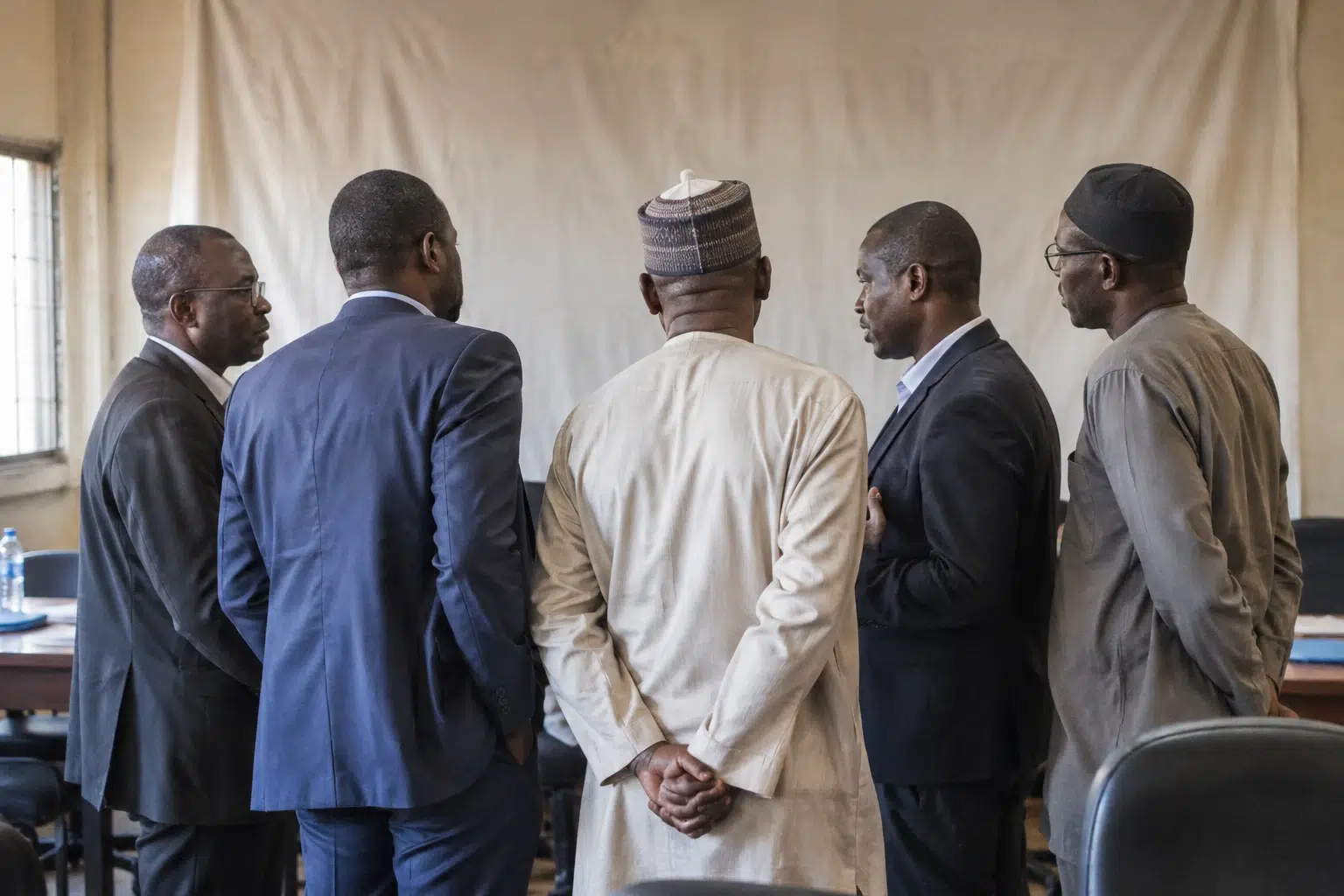
About 50 kilometres from Ménaka, encampments were hit within a few hours and residents set off for the town. The death toll remains uncertain, but accounts agree on the scale of the losses and on a fresh warning for civilians in north-eastern Mali.
In the north-east, violence rooted in armed rivalries
The Ménaka region lies in an area where armed groups, military operations and local rivalries intersect. For more than a decade, the conflict in Mali has involved organisations affiliated with al-Qaeda and the Islamic State, as well as local armed movements. Civilians live amid power dynamics that can shift from one locality to another.
This geography has a direct impact on displacement. In an analysis published in September 2026, the Protection Cluster, a network of humanitarian actors coordinated by the United Nations High Commissioner for Refugees, said that intensifying clashes and security operations were exposing populations to greater violence and displacement. The situation in Ménaka is therefore part of a protection crisis that extends beyond this week’s events.
The regional framework has also changed. Mali, Burkina Faso and Niger’s withdrawal from ECOWAS — the Economic Community of West African States — took effect on 29 January 2025. The three countries formed the Alliance of Sahel States (AES). This political realignment does not remove the need for security and humanitarian cooperation in border areas.
Attacks reported in several encampments
On Sunday 18 October 2026, armed men travelling on motorbikes attacked several encampments around Tinabow and in the Tagadayat area, about 50 kilometres from the town of Ménaka. The places targeted are inhabited mainly by members of the Daoussahak community.
The death toll has not been consolidated. Local and security sources report more than 40 dead, while a local elected official puts the number of victims at more than 50. The executive bureau of the Daoussahak community says at least 48 civilians were killed in Tagadayat. These figures remain attributed to the actors who provided them.
The community bureau blamed the attack on the Islamic State organisation. A security source based in Gao offered another possible explanation for the motives: reprisals following recent military operations and attacks attributed to the Movement for the Salvation of Azawad (MSA). These accounts do not constitute independent verification of the attackers’ identity or their motives.
The targeted community’s proximity to the MSA does not justify treating civilians as members of an armed group. This distinction is essential in a context where community affiliations can be exploited by belligerents. The residence in Ménaka of Moussa Ag Acharatoumane, leader of the MSA and a member of the National Transitional Council, was also reportedly targeted, without any casualties, according to a security source cited in news reports.
The previous day, Saturday 17 October, the Malian army said it had struck a base 65 kilometres south-west of Ménaka. It said it had targeted fighters and equipment there. The military statement alone does not establish a link between that operation and the attacks the following day. A security source raised the possibility of reprisals, which remains an attribution.
Displacement adds to the immediate emergency
Residents began arriving in Ménaka after the attacks, according to local sources. This movement adds to recurrent displacement in the region, where insecurity is already forcing families to leave their encampments and livelihoods. The consequences affect older people, children and households that depend on livestock or local trade in different ways.
Leaving may offer short-term protection, but the road to town guarantees neither shelter, food nor access to healthcare. The Daoussahak executive bureau has called for urgent humanitarian aid for the displaced. No consolidated public assessment of needs or arrivals in Ménaka was available in the information consulted.
The Malian authorities, for their part, have issued statements on army operations, but the published information does not establish a specific response to the attacks on the encampments. For residents, the issue goes beyond announcements of air strikes: it also concerns the protection of inhabited sites, travel to Ménaka and whether humanitarian actors can reach displaced people.
Pressure on civilian protection and cooperation
The episode is a reminder that operations against armed groups and the protection of populations must be monitored separately. Military announcements describe the objectives claimed by the army; they do not replace an investigation into attacks on civilians. Similarly, an attribution made by a community actor must be distinguished from established responsibility.
What happens next will depend on verifying the death toll, identifying those responsible and gaining access to the affected encampments. At the regional level, the situation also tests Sahel countries’ ability to maintain practical cooperation mechanisms despite their institutional break with ECOWAS. For Ménaka’s residents, the priority is more immediate: being able to find safety and receive assistance without being caught up in armed rivalries.
The events reported by AFP, carried by TV5MONDE, were compared with coverage by the African news agency APA on military operations announced in the region. The protection context is documented by the Protection Cluster for Mali and the regional framework by the ECOWAS statement on the withdrawal.