Algeria
 Egypt
 Libya
 Morocco
 Sudan
 Tunisia
 Benin
 Burkina Faso
 Cabo Verde
 Côte d'Ivoire
 Ghana
 Guinea
 Guinea-Bissau
 Liberia
 Mauritania
 Niger
 Nigeria
 Senegal
 Sierra Leone
 The Gambia
 Togo
 Cameroon
 Central African Republic
 Chad
 DR Congo
 Equatorial Guinea
 Gabon
 Republic of the Congo
 São Tomé and Príncipe
 Burundi
 Comoros
 Djibouti
 Eritrea
 Ethiopia
 Kenya
 Madagascar
 Malawi
 Mauritius
 Mozambique
 Rwanda
 Seychelles
 Somalia
 South Sudan
 Tanzania
 Uganda
 Angola
 Botswana
 Eswatini
 Lesotho
 Namibia
 South Africa
 Zambia
 Zimbabwe
San, another test for the Malian army
In San, in the Ségou region, the military camp is more than just a state presence. It also embodies Bamako’s ability to hold the centre of the country, as armed groups now extend pressure well beyond the most exposed Sahelian areas. Since 2025, Mali has left ECOWAS and joined the Confederation of Sahel States, reshaping its regional environment without easing the urgency of the domestic security situation.
The San camp was inaugurated in October 2024, a sign of efforts to reorganise the military in central Mali. The attack on Sunday 9 August therefore targeted a recently established position, in a region where Malian forces are seeking to combine territorial control, protection of road links and a rapid response to armed incursions.
What is known about the assault
The first available information attributes the attack to the Group for the Support of Islam and Muslims, JNIM, an al-Qaeda-affiliated movement active on several fronts in Mali. Unconfirmed tallies put the number of Malian military personnel killed at at least 12, while weapons and equipment were reportedly taken. At this stage, the figure should be presented as provisional, as it has not been confirmed by a second independent source.
Accounts of the events describe an attack carried out by motorcycle and on foot, with assailants reportedly wearing clothing similar to that of the FAMa in order to catch them off guard, according to witnesses. Exchanges of fire are said to have begun before dawn and lasted several hours. The Malian army, for its part, referred to an «attempted attack» on its facility, showing that when the first statements were issued, the toll and precise sequence of events had yet to be fully established.
This caution is not merely an editorial reflex. In Mali, the fighting is also a battle of communication. The authorities issue rapid statements, armed groups make claims on their channels, and residents recount what they saw from nearby neighbourhoods. In an asymmetric war, each account contains part of the truth, but none is sufficient on its own to establish a definitive toll.
The country’s centre under pressure, not just the north
The attack on San confirms a shift that has been observed for several months. JNIM operates in the north, but also in central Mali and as far as the west and south of the country. Reuters and the Associated Press describe a group capable of stretching the Malian army’s resources across several fronts, while at times imposing forms of de facto control over certain roads and localities.
For the authorities in Bamako, the challenge is twofold. Militarily, they must defend garrisons, secure convoys and respond quickly without dispersing units. Politically, they must prevent a succession of attacks from fuelling the impression of a fragmented territory, even as official rhetoric stresses the restoration of sovereignty and the effectiveness of ongoing operations, particularly in the eastern theatre.
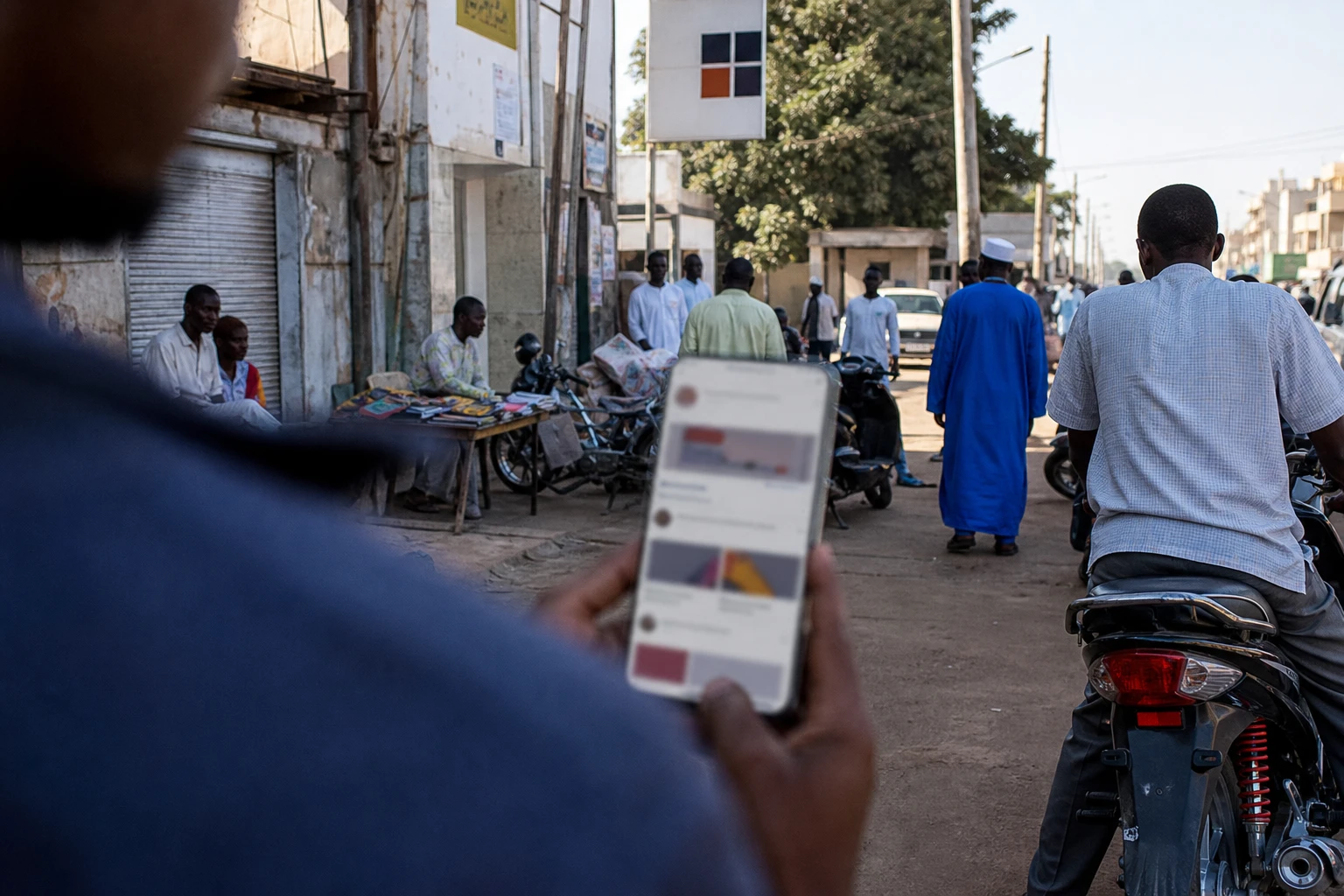
For the population, the impact is immediate. Markets slow down, travel contracts, schools and places of worship operate according to security alerts, and daily life depends more on security rumours than on official announcements. In a town such as San, located on an important route in central Mali, an attack on a military camp affects more than just soldiers. It also weighs on traders, transport operators, families and public services.
The precedent set in late April 2026 helps explain the current sequence of events. At that time, Mali suffered a wave of coordinated attacks attributed to JNIM and, according to several sources, the Azawad Liberation Front, or FLA, a separatist movement in the north. The AP notes that the country is experiencing its worst security crisis in years, with a growing number of fronts and mounting pressure on military bases.
What this attack says about Mali’s trajectory
San shows that the war is no longer being fought only on Mali’s periphery. It is moving closer to central areas, where the state must govern, keep goods moving and protect the population. This geographic expansion also complicates regional co-operation. Mali has not been part of ECOWAS since 29 January 2025, but insecurity remains deeply West African in its effects on roads, trade and movement.
The continental implications are clear. The Sahel remains one of the regions hardest hit by terrorism, according to the Associated Press, and developments in Mali are of direct interest to the Alliance of Sahel States, neighbouring ECOWAS and the African Union. Every successful attack on a military base fuels competition between the state, jihadist groups and local armed actors for control of territory and the narrative.
In the short term, the key points to watch are simple: whether the death toll is confirmed, and then the military response announced by Bamako. In the medium term, the evolution of central Mali will matter most. If armed groups maintain their pace there, the country’s security balance could shift further, to the detriment of garrisons, economic routes and public trust.