Algeria
 Egypt
 Libya
 Morocco
 Sudan
 Tunisia
 Benin
 Burkina Faso
 Cabo Verde
 Côte d'Ivoire
 Ghana
 Guinea
 Guinea-Bissau
 Liberia
 Mauritania
 Niger
 Nigeria
 Senegal
 Sierra Leone
 The Gambia
 Togo
 Cameroon
 Central African Republic
 Chad
 DR Congo
 Equatorial Guinea
 Gabon
 Republic of the Congo
 São Tomé and Príncipe
 Burundi
 Comoros
 Djibouti
 Eritrea
 Ethiopia
 Kenya
 Madagascar
 Malawi
 Mauritius
 Mozambique
 Rwanda
 Seychelles
 Somalia
 South Sudan
 Tanzania
 Uganda
 Angola
 Botswana
 Eswatini
 Lesotho
 Namibia
 South Africa
 Zambia
 Zimbabwe
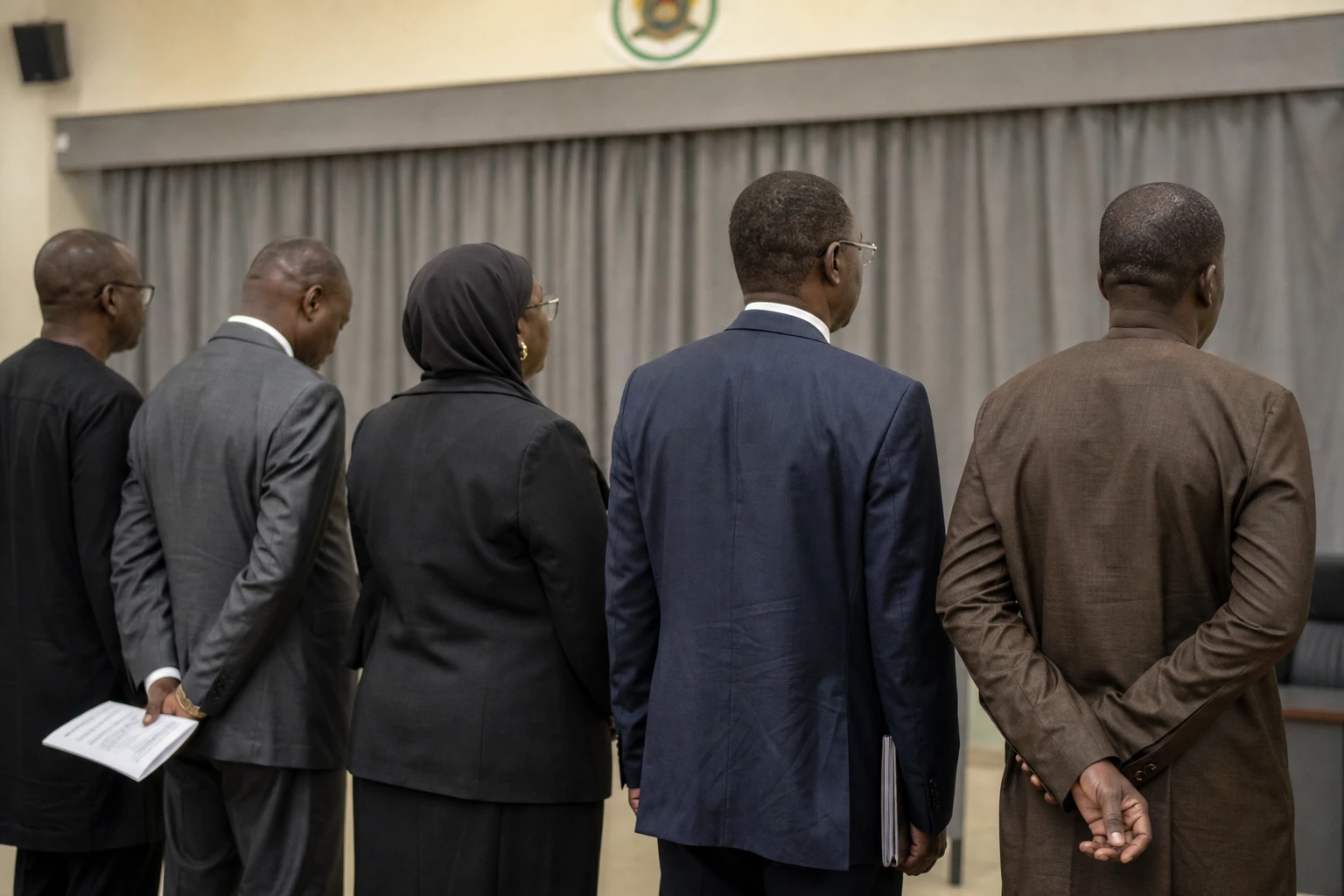
Prisons under pressure, at the heart of Mali’s security
In a country at war with armed groups, prisons are not a blind spot. They are a point of vulnerability. When phones, drugs, diverted medicines or ammunition circulate behind the walls, the issue goes beyond prison discipline: it touches on internal security, justice and the Malian state’s ability to maintain control of its own places of detention.
Mali has been undertaking a modernisation programme for its prison administration for several years. Kéniéroba, near Bamako, was specifically conceived as a response to overcrowding at the capital’s central prison, built for 400 people and long operating at capacity. The project was presented as a facility intended to house up to 2,500 detainees, at a time when detention conditions remain under scrutiny from the country’s technical partners and institutions. In 2024, the UNDP again referred to real efforts, but also to persistent challenges, particularly in prison security.
Large-scale searches at several prisons
According to information cross-checked by Afrikactus, a major search operation has been launched at Malian prisons, with a particularly significant first haul at Kéniéroba. At this prison south of Bamako, hundreds of phones were removed from cells, bringing the total to nearly 2,000 devices seized in less than a day. Prohibited substances were also found, including cannabis, amphetamines and expired medicines used as stimulants. Ammunition was also found at another facility.
These seizures do not simply point to trafficking inside the prison. They also reveal how porous the supply routes around prisons are. Phones, drugs, money and prohibited items often get in through multiple forms of complicity: visitors, corrupt officers, outside networks or better-resourced detainees. In an overcrowded prison, an informal economy takes hold quickly. Those who pay can obtain a phone, tobacco, a psychoactive substance or freedom of movement. This system undermines prison officers, but above all fuels violence between detainees and attempts to coordinate crime from inside.
Securing prisons without concealing systemic failures
The discovery of ammunition is even more alarming. In a country where the authorities say they also hold detainees linked to jihadism, controlling weapons and military equipment in a closed facility is a basic requirement. The ongoing search is therefore also intended to verify that no supply chain links the cells to the outside, whether to local trafficking or to armed networks active in central and northern Mali. This is a national security issue, not merely a prison incident.
The problem, however, cannot be solved by raids alone. It points to prison overcrowding, inadequate surveillance resources and slow judicial proceedings. In Bamako, a large proportion of detainees are still awaiting trial, adding to pressure on the system. Mass searches can restore control in the short term. They are no substitute for tighter entry checks, the fight against corruption or the strict separation of remand prisoners, convicted prisoners and the most dangerous detainees.
What the episode says about Mali and the Sahel
Beyond Mali, the operation is a reminder of a wider reality in West Africa: states weakened by insecurity, trafficking and political transitions must also protect their closed institutions. Since Mali, Burkina Faso and Niger effectively withdrew from ECOWAS on 29 January 2025, the region has been undergoing a realignment, while the Confederation of Sahel States seeks to develop its own security responses. In this context, prisons are a barometer of public authority. If they are porous, the whole system is too.
For the Malian authorities, the challenge is clear: turn this operation into lasting reform. For detainees, the need is more immediate: safer, less corrupt and more transparent places of detention. For families, the issue ultimately concerns trust in justice. A prison that allows phones and ammunition to get in says something about the state. One that can take them out and then establish who is responsible shows that it can still put things right.