Algeria
 Egypt
 Libya
 Morocco
 Sudan
 Tunisia
 Benin
 Burkina Faso
 Cabo Verde
 Côte d'Ivoire
 Ghana
 Guinea
 Guinea-Bissau
 Liberia
 Mauritania
 Niger
 Nigeria
 Senegal
 Sierra Leone
 The Gambia
 Togo
 Cameroon
 Central African Republic
 Chad
 DR Congo
 Equatorial Guinea
 Gabon
 Republic of the Congo
 São Tomé and Príncipe
 Burundi
 Comoros
 Djibouti
 Eritrea
 Ethiopia
 Kenya
 Madagascar
 Malawi
 Mauritius
 Mozambique
 Rwanda
 Seychelles
 Somalia
 South Sudan
 Tanzania
 Uganda
 Angola
 Botswana
 Eswatini
 Lesotho
 Namibia
 South Africa
 Zambia
 Zimbabwe
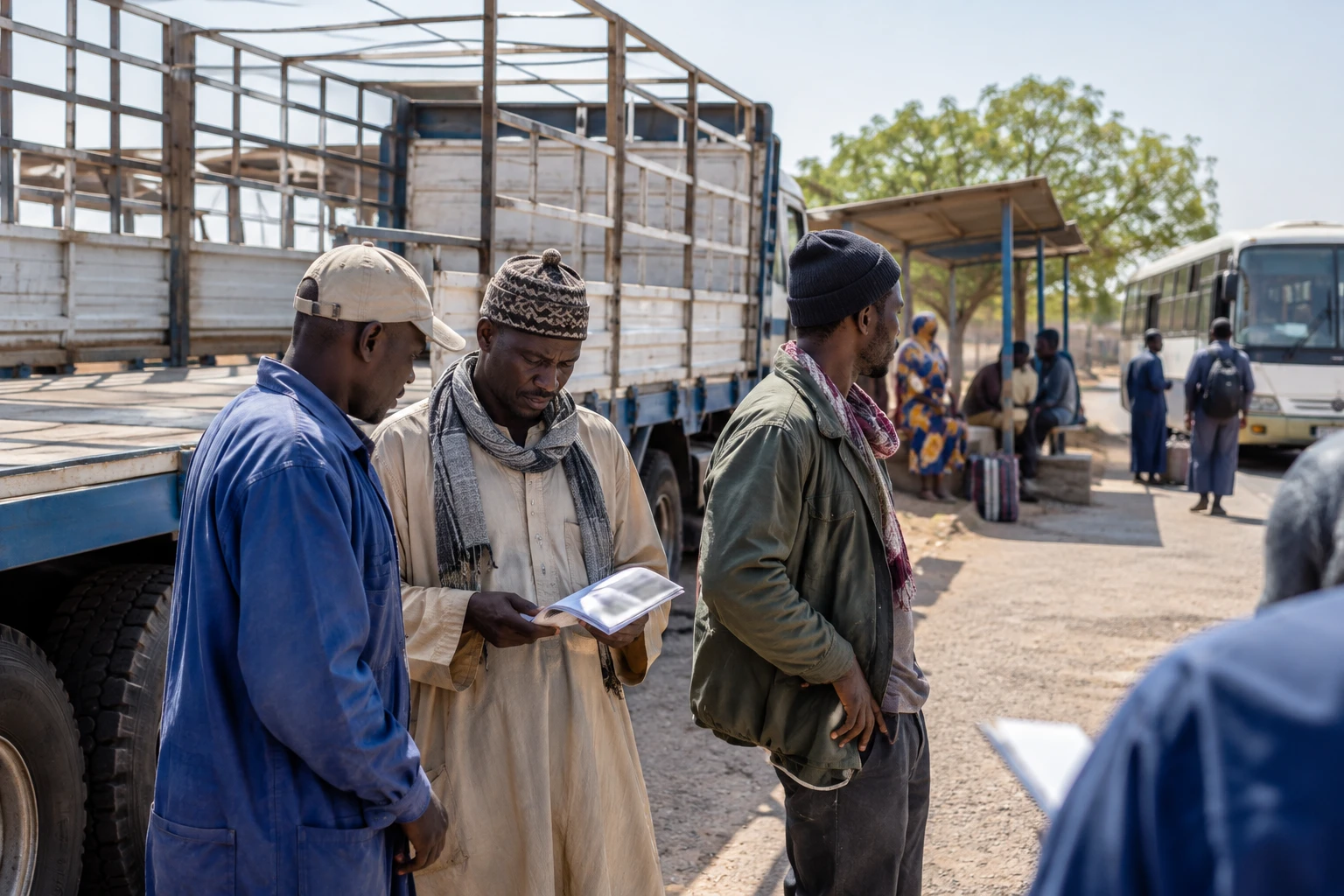
In the Diéma district, losing a herd means more than losing a store of wealth. For families who depend on livestock, it can also cut off access to income, food and trade with markets. Residents of Mangara blame the Malian armed forces and their Russian partners for the deaths of numerous animals and the burning of homes. These serious allegations call for an independent investigation and a response from the authorities.
In Mangara, accounts yet to be verified
The reported events are said to have taken place early on Wednesday 28 October in several hamlets in Mangara, in the commune of Dioumara, Diéma district. Accounts gathered from residents and community representatives refer to about 150 cattle and 80 sheep and goats shot dead. Donkeys were also reportedly killed. Several dozen homes are said to have been burned.
These figures have not been confirmed by any publicly available official assessment. The Malian army has not commented on the operation and has not responded to reported requests for comment. The numbers of animals and homes affected should therefore be treated as estimates attributed to witnesses, not as an independently established toll.
One resident quoted in the accounts said they had hidden with other people. They said homes, clothes, food supplies and carts had burned. These accounts describe immediate material consequences, but on their own they do not establish the circumstances of the operation or individual responsibility.
An area caught between armed groups and military operations
Mangara is in the Nioro-du-Sahel region of western Mali. The al-Qaeda-linked Group for the Support of Islam and Muslims (JNIM) is active in several Malian regions, including the west. Its presence drives security operations and residents’ concerns, but a person’s community affiliation cannot constitute evidence of support for an armed group.
The area is said to have experienced another similar episode a week earlier. According to information provided by residents, an operation in Moussassere, in the commune of Dianguirdé, reportedly resulted in the deaths of about 100 animals and the destruction of around 60 huts on 21 October. These figures, too, require independent verification. Their alleged recurrence within a few days nevertheless raises a practical question: how can civilians and their property be protected during operations in areas where armed groups are present?
The situation forms part of the conflict’s geographical expansion. FEWS NET, which analyses food security conditions, notes that JNIM activity has spread towards western and southern Mali. The organisation also highlights the effects of insecurity on displacement, markets and pastoral livelihoods. This context sheds light on the risks faced by residents, but does not confirm the specific incidents reported in Mangara and Moussassere.
Livestock: an economic and social asset
In herding communities, animals represent far more than a commercial asset. They provide income, support household food supplies and can serve as a reserve against unforeseen expenses. Losses also affect trade with merchants and the ability to rebuild a herd. For a family that has lost most of its animals, the impact may last long after the forces present in the area have left.
The consequences extend beyond the herders directly affected. Livestock movements connect rural areas with regional markets and urban centres. In Bamako, meat prices depend in part on supply and transport costs. On 14 October, the African Press Agency reported that industry officials and professionals were discussing the reopening of livestock markets, including the one in Nioro, and measures to secure convoys. A sustained fall in supply or more dangerous transport routes could complicate these efforts.
In October, professional organisations, cooperatives and private-sector stakeholders in Nioro also took part in consultations on livestock, fishing and aquaculture. Studio Tamani says the discussions are intended to contribute to a long-term road map. The juxtaposition of these initiatives with the reported losses underlines the challenge: supporting the sector also means protecting productive assets and rural communities’ trust.
Responsibilities to be documented, safeguards to be provided
The accounts are not enough to establish who gave orders, which units were present or whether fighters were among those targeted. The Malian authorities have not published an official account of the operation in question. It is therefore important to distinguish the known presence of armed groups in the region from the specific allegations concerning the forces deployed in Mangara.
In other cases in Mali, human rights organisations have documented allegations of abuses involving the army and Africa Corps. Human Rights Watch has published findings on separate operations. These precedents underline the importance of credible and transparent investigations; they are not direct evidence of the events reported in Mangara.
Mali belongs to ECOWAS, the West African regional organisation, although its authorities have pursued closer political ties with Burkina Faso and Niger through the Alliance of Sahel States. In this regional landscape, the security of populations and the protection of livelihoods remain shared concerns, beyond governments’ alliance choices.
What happens next will depend on the authorities’ ability to clarify the events, residents’ access to redress mechanisms and the possibility of verifying the damage on the ground. Until these elements are in place, the figures must remain attributed. But one thing is clear: when herds and homes are destroyed, the cost of insecurity is also measured in income, markets and the daily lives of rural families.