Algeria
 Egypt
 Libya
 Morocco
 Sudan
 Tunisia
 Benin
 Burkina Faso
 Cabo Verde
 Côte d'Ivoire
 Ghana
 Guinea
 Guinea-Bissau
 Liberia
 Mauritania
 Niger
 Nigeria
 Senegal
 Sierra Leone
 The Gambia
 Togo
 Cameroon
 Central African Republic
 Chad
 DR Congo
 Equatorial Guinea
 Gabon
 Republic of the Congo
 São Tomé and Príncipe
 Burundi
 Comoros
 Djibouti
 Eritrea
 Ethiopia
 Kenya
 Madagascar
 Malawi
 Mauritius
 Mozambique
 Rwanda
 Seychelles
 Somalia
 South Sudan
 Tanzania
 Uganda
 Angola
 Botswana
 Eswatini
 Lesotho
 Namibia
 South Africa
 Zambia
 Zimbabwe
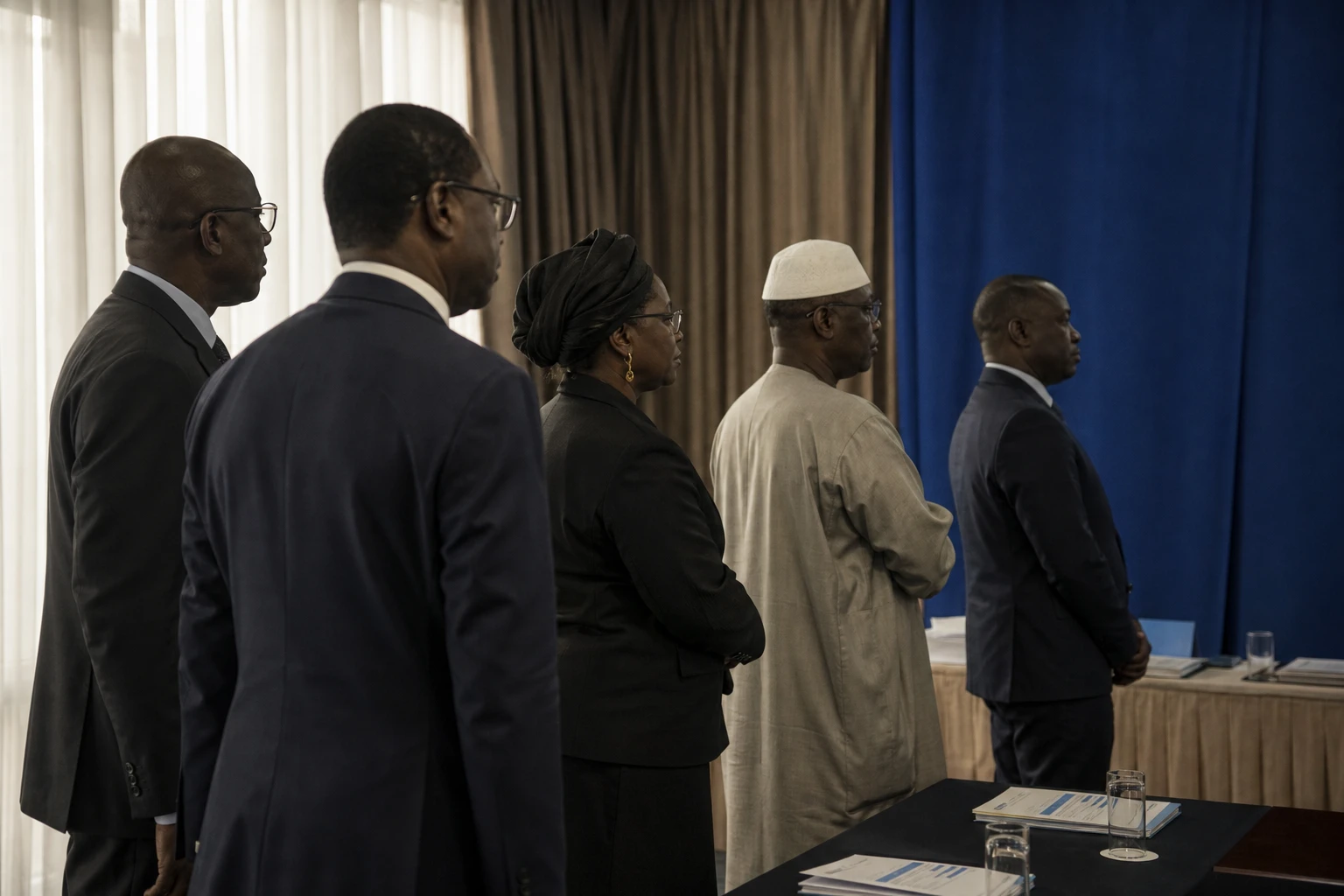
Processing cotton means keeping more wealth in Mali
In Mali, cotton is no longer just about the harvest. It is now also about factories, jobs and the country’s ability to retain a larger share of the value created in Bamako and the southern producing regions. With global prices remaining fragile, local processing is becoming both an economic lever and an industrial choice.
This approach is part of a broader regional trend. In West Africa, the cotton-textile value chain is among those deemed priorities by WAEMU, which has been promoting regional industrial value-addition programmes since 2024-25. ECOWAS, for its part, continues to support textile competitiveness and the integration of West African markets. Mali is therefore part of a regional contest to export not just fibre, but also jobs and finished products.
New public project in Bamako revives the textile chain
On 29 July 2026, the Council of Ministers announced the creation of the Textiles Company of Mali. Its remit covers spinning, weaving, knitting, dyeing and finishing cotton fibres and fabrics, as well as making and marketing textile and clothing products. The project also includes a cotton fibre processing plant with a stated capacity of 40,000 tonnes a year.
The authorities have not yet announced the investment cost or the commissioning schedule. This leaves a key question open: will Mali move from plans to implementation, after several previous announcements in the same direction? The answer will matter, as the textile sector requires capital, energy, logistics and stable industrial governance.
The new company is not starting from scratch. In May 2025, the Malian Company for Textile Development, CMDT, signed a memorandum of understanding with a consortium of German experts led by Becker Infra & Consulting e.K. The aim was to support an integrated textile industrial complex, from fibre processing through to garment-making. In 2022, the government had also raised the prospect of SOMAFIL, with two factories in Bamako and Koutiala and a stated capacity of 45,000 tonnes a year. That same year, it launched a recovery plan for COMATEX, a long-standing unit in the sector.
Mali seeks to escape the raw fibre trap
The issue is easy to state but difficult to resolve. Mali produces a great deal of cotton, but still processes very little of it locally. Available figures show that cotton output reached 433,700 tonnes in the 2025 season, according to an official report released in 2026. Yet the share processed locally remains low, limiting the value captured and leaving the country more exposed to international markets.
This dependence on global prices is real. The International Cotton Advisory Committee says the Cotlook A Index fell for three consecutive seasons, averaging 79.6 cents a pound in 2024/25, down 13.4% year on year and its lowest average since 2020/21. The World Bank also forecasts a fall in the average cotton price in 2026 to $1.65 a kilogram, a projected annual decline of 3.5%. For a country that exports raw fibre, such a move can quickly weigh on revenues and farmers’ incomes.
In a country where cotton sustains a large share of rural communities, local processing also changes the economic geography. Producers could benefit from more stable demand. Industrial towns could gain technical jobs. Small transport, maintenance, dyeing, packaging and sewing businesses could also benefit from a denser productive network. Conversely, if projects remain at the announcement stage, the country will continue to export most of the added value, while the best-paid jobs go elsewhere.
Beyond cotton, a strategy for economic sovereignty
Mali’s choice is not just about industry. It reflects a broader approach to economic sovereignty, prominent in official rhetoric in Bamako since the political transition. The government champions local processing, “buy Malian” and upgrading the productive base. The textile sector is thus becoming a tangible symbol: process locally, train locally, sell under a local brand.
This momentum also aligns with regional priorities. WAEMU has made the cotton-textile-clothing chain one of its industrial development priorities under its IMPACT 2030 strategic framework. This gives Mali useful regional support, particularly on harmonising standards, the movement of inputs and access to West African markets. But this regional framework will only deliver results if energy infrastructure, skills and funding are in place.
Mali’s experience also speaks to the rest of the continent. Across Africa, it is a reminder that a major agricultural producer does not automatically become an industrial country. From harvest to finished garment requires machinery, standards, electricity, training and public-private coordination. Mali has already taken several steps. The real question now is one of pace and continuity. If the new Textiles Company of Mali moves forward, it could strengthen a link often missing from the West African economy: producing at home what has long been allowed to leave in its raw state.