Algeria
 Egypt
 Libya
 Morocco
 Sudan
 Tunisia
 Benin
 Burkina Faso
 Cabo Verde
 Côte d'Ivoire
 Ghana
 Guinea
 Guinea-Bissau
 Liberia
 Mauritania
 Niger
 Nigeria
 Senegal
 Sierra Leone
 The Gambia
 Togo
 Cameroon
 Central African Republic
 Chad
 DR Congo
 Equatorial Guinea
 Gabon
 Republic of the Congo
 São Tomé and Príncipe
 Burundi
 Comoros
 Djibouti
 Eritrea
 Ethiopia
 Kenya
 Madagascar
 Malawi
 Mauritius
 Mozambique
 Rwanda
 Seychelles
 Somalia
 South Sudan
 Tanzania
 Uganda
 Angola
 Botswana
 Eswatini
 Lesotho
 Namibia
 South Africa
 Zambia
 Zimbabwe
When war blurs responsibility
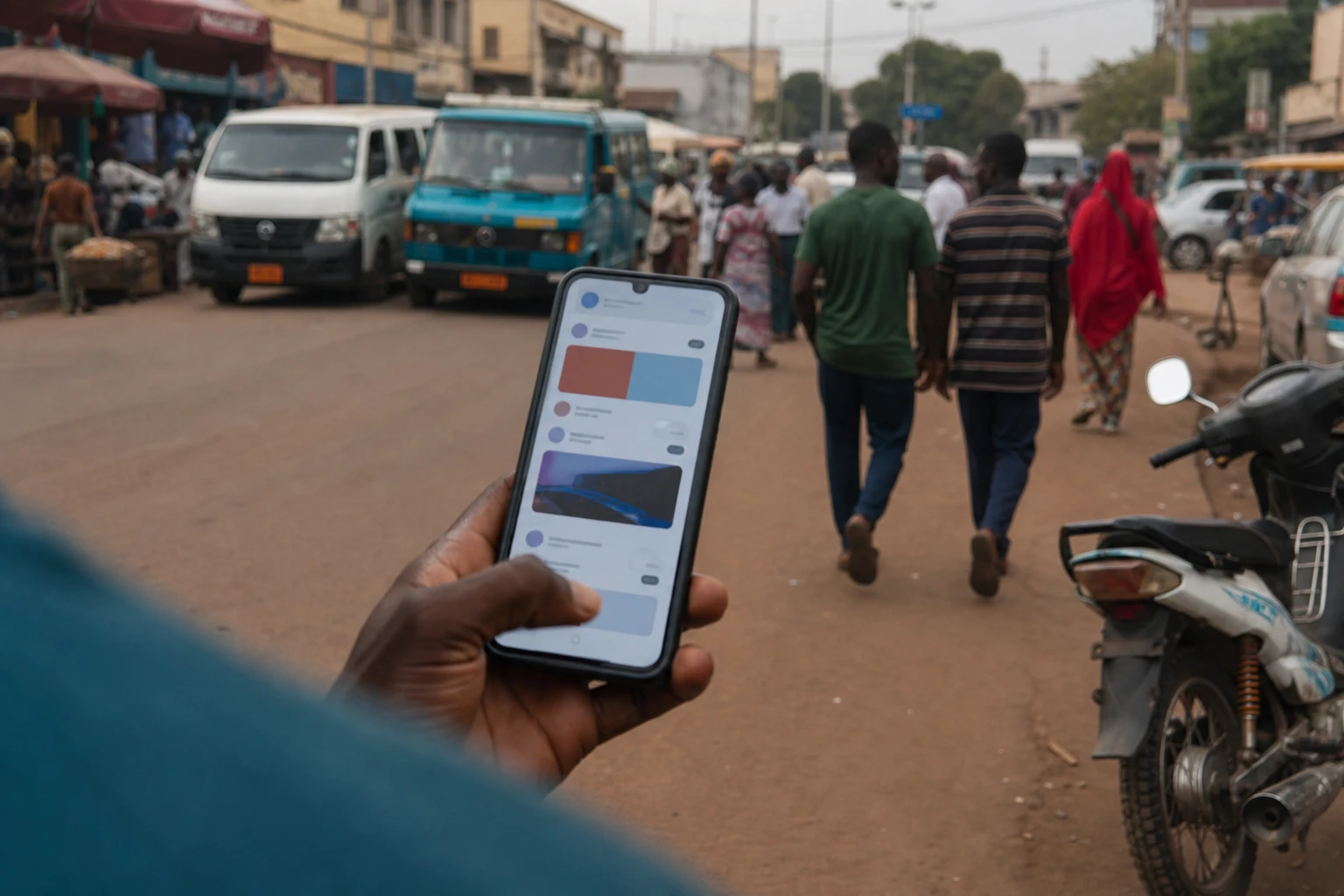
In central Mali, a strike can kill civilians and then become a debate about who carried it out. This blurring of responsibility is weighing on Mopti today, a region already battered by years of fighting, displacement and successive military operations. Human Rights Watch says that a strike attributed to Africa Corps killed eight civilians, including three children, in Kyrnia on 15 June 2026, with no JNIM fighters among the victims.
The issue goes beyond this village alone. Since Mali’s withdrawal from ECOWAS, security and diplomatic cooperation has been reshaped around the Alliance and then the Confederation of Sahel States, with Bamako at the political centre of this new regional axis. At the same time, the Russian presence, initially represented by Wagner, has been taken over by Africa Corps, a formation under the direct control of Russia’s defence ministry, according to Human Rights Watch.
What the evidence says
Human Rights Watch’s investigation is based on interviews and an examination of images and other available evidence from the 15 June attack. The organisation says a Sukhoi Su-24 aircraft, identified as linked to Africa Corps, dropped two munitions on Kyrnia. It maintains that the eight people killed were civilians, and that the Russian account, which referred to JNIM fighters, does not stand up to scrutiny of the victims identified. The Associated Press has confirmed the broad outlines of the accusation, reporting that HRW blames Africa Corps for the deaths of eight civilians, including three children.
This episode comes amid an escalation in violence since April 2026. HRW says Islamist armed groups, Malian forces and their allies have stepped up abuses against civilians during this period. The organisation also cites operations in Mopti, Diafarabé and Guimbé, where civilians were reportedly killed in counter-insurgency, reprisal or poorly targeted strike contexts. The picture it paints is of a conflict in which several armed actors operate in the same theatre, but local people often pay the heaviest price.
From Bamako, the Malian authorities frame the war in terms of regained sovereignty and the fight against terrorism. The Malian government continues to document its relations within the Confederation of Sahel States, while official African Union documents note that the withdrawal of Mali, Burkina Faso and Niger from ECOWAS opened a new institutional phase in West Africa. This realignment also explains why debates about security in Mali are no longer confined to traditional West African frameworks.
What this means for Malians
In Mopti, the consequences are tangible. Families live by the rhythm of rumours, checkpoints, forced displacement and disrupted travel between towns, villages and trade routes. When strikes miss their targets or hit civilians, they fuel fear, but also distrust. They undermine the state’s promise of protection and make it even harder to distinguish between fighters, suspects and ordinary people caught in areas of transit.
For Malian forces and their Russian partners, the stakes are strategic. Africa Corps is meant to increase pressure on armed groups, secure certain corridors and support the Malian army against coordinated offensives. Yet several international sources note that this presence has not put an end to abuses; if anything, the opposite is true. HRW and the AP note that abuses attributed first to Wagner and then to Africa Corps have continued to fuel allegations of serious human rights violations.
For the authorities in Bamako, the sensitive issue is as much political as military. The Malian government has built part of its legitimacy on breaking with former Western partners and on a message of national control over security. But if operations associated with its new allies cause civilian casualties, that message loses force among people in the centre and north. In a country where trust between the state and its citizens remains fragile, every disputed death toll becomes a battle for credibility.
A Malian case, a Sahel-wide signal
The case of Kyrnia resonates beyond Mali because it touches on a question that has become central to the Sahel: how can armed groups be fought without reproducing the patterns of abuse that fuel them? The same question also runs through Burkina Faso and Niger, where the fight against insecurity has gone hand in hand with stronger military powers and a shrinking civic space. The African Union, having taken note of the three countries’ withdrawal from ECOWAS, is thus observing a regional shift in which security, sovereignty and civilian protection are increasingly at odds.
For West Africa, the stakes are broader still. If armies and their allies are seen as indistinguishable from the groups they are fighting, the counter-terrorism effort loses its legitimacy. Conversely, credible investigations, rigorous corroboration and accountability mechanisms can still prevent the conflict from becoming trapped in a spiral with no way out. The Kyrnia strike, as documented by Human Rights Watch and reported by the AP, is a reminder that the battle for the Sahel is also being fought over evidence, transparency and the fate of civilians.