Algeria
 Egypt
 Libya
 Morocco
 Sudan
 Tunisia
 Benin
 Burkina Faso
 Cabo Verde
 Côte d'Ivoire
 Ghana
 Guinea
 Guinea-Bissau
 Liberia
 Mali
 Mauritania
 Niger
 Nigeria
 Senegal
 Sierra Leone
 The Gambia
 Togo
 Cameroon
 Central African Republic
 Chad
 DR Congo
 Equatorial Guinea
 Gabon
 Republic of the Congo
 São Tomé and Príncipe
 Burundi
 Comoros
 Djibouti
 Eritrea
 Ethiopia
 Kenya
 Madagascar
 Mauritius
 Mozambique
 Rwanda
 Seychelles
 Somalia
 South Sudan
 Tanzania
 Uganda
 Angola
 Botswana
 Eswatini
 Lesotho
 Namibia
 South Africa
 Zambia
 Zimbabwe
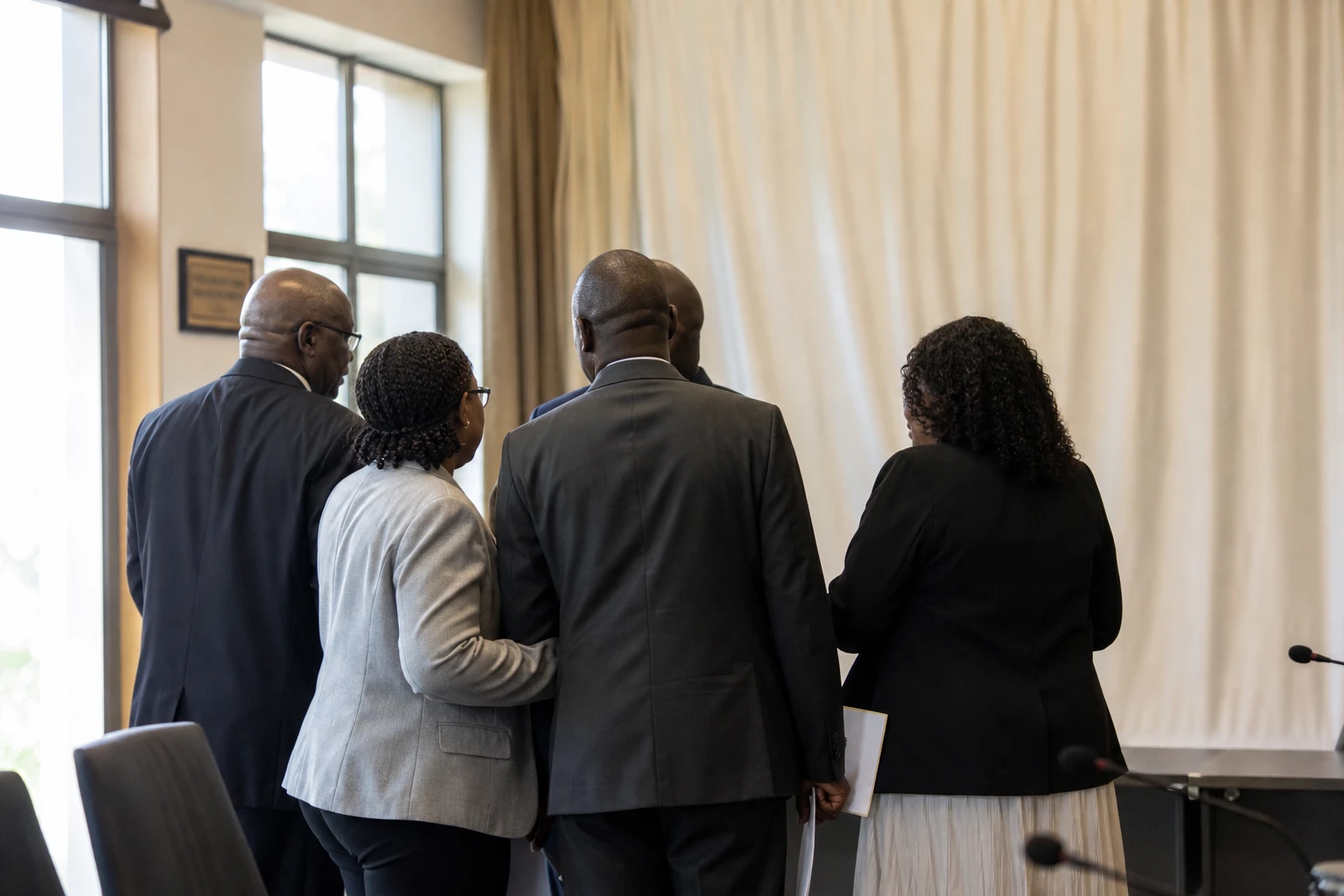
In Malawi, connectivity remains a test of geography as much as public policy
In a country where most people still live outside major urban centres, the internet is about more than screens or data plans. It is first and foremost a matter of distance, electricity, cost and network siting. In Malawi, this is even more evident in rural areas, where coverage often exists on paper before becoming a reality in everyday use.
This tension is now at the heart of discussions between the Malawi Communications Regulatory Authority, the country’s telecoms regulator, and private-sector players such as Huawei and Helios Towers. The challenge is easy to state but difficult to fund: how to expand connectivity without replicating in rural areas infrastructure models that are too costly for sparsely populated places far from electricity networks.
Lighter solutions for a network that is still underused
The latest developments began with a meeting between MACRA and Huawei, at which the Chinese group presented a compact telecoms site mounted on a pole rather than a conventional tower. The system includes solar power, radio equipment, microwave transmission and a baseband unit. According to information reported locally, the model is intended to reduce deployment costs and make coverage more viable in small rural communities.
A few days later, MACRA also held talks with Helios Towers, an infrastructure operator already active in Malawi. The company manages shared towers for mobile operators and argues, in Malawi and elsewhere, that infrastructure sharing can lower the cost of network expansion. This approach is in line with the regulator’s strategy as it seeks solutions suited to limited public resources.
The figures explain the urgency. The GSMA estimates that unique mobile internet penetration in Malawi stands at just 12.5%, while 87% of the population was covered by 4G in 2025. The same report highlights a deep gap between coverage and use: around 80% of Malawians live in an area served by mobile broadband but do not yet use it. In other words, the country lacks not only antennas, but also digital purchasing power, devices and, in some cases, the skills to use them.
The real bottleneck is not coverage alone
The country’s profile makes this challenge all the clearer. The World Bank estimates that 82% of Malawi’s population lives in rural areas, out of a total population of about 22.2 million in 2025. In this context, each new telecoms site must serve scattered households, often far from roads, the electricity grid and maintenance services. The last few percentage points of coverage are therefore the most expensive to achieve.
The GSMA also notes that 30% of the rural population does not use 4G, compared with 20% for 3G, and that 13% of the population is not covered by 4G nationwide. This gap shows that an antenna alone is not enough to create a market. Affordable phones, reliable service, dependable power and useful applications for households, traders, pupils and smallholder farmers are also needed.
In Malawi, this reality affects the capital, Lilongwe, other urban centres and rural districts in very different ways. In cities, the debate is mainly about service quality and price. In the countryside, it is first about whether a signal exists at all, and then about whether people can afford and use it. This is where solar-powered solutions, lighter poles and infrastructure sharing can make a difference.
A regional issue for SADC and a signal for the continent
Malawi belongs to the Southern African Development Community (SADC), a region where governments are seeking to balance network expansion, energy resilience and lower costs for digital services. The Malawian case therefore matters beyond Lilongwe: it illustrates how African countries are trying to bridge the digital divide without waiting for investment models designed for more profitable markets.
The continent-wide significance is clear. The GSMA notes that Africa continues to see mobile internet use fall short of coverage potential, with a particularly marked gap between urban and rural areas. Malawi’s experience shows that a credible digital policy must address infrastructure, energy, the cost of devices and user training together. Otherwise, coverage expands but the divide remains.
What happens next will depend on turning these discussions into concrete steps: technical trials, regulatory approvals, operators’ ability to invest and, above all, a shift from prototype to real-world deployment. In Malawi, the question is no longer only whether the network can reach villages. It is under what conditions those villages can genuinely enter the digital economy.