Algeria
 Egypt
 Libya
 Morocco
 Sudan
 Tunisia
 Benin
 Burkina Faso
 Cabo Verde
 Côte d'Ivoire
 Ghana
 Guinea
 Guinea-Bissau
 Liberia
 Mali
 Mauritania
 Niger
 Nigeria
 Senegal
 Sierra Leone
 The Gambia
 Togo
 Cameroon
 Central African Republic
 Chad
 DR Congo
 Equatorial Guinea
 Gabon
 Republic of the Congo
 São Tomé and Príncipe
 Burundi
 Comoros
 Djibouti
 Eritrea
 Ethiopia
 Kenya
 Malawi
 Mauritius
 Mozambique
 Rwanda
 Seychelles
 Somalia
 South Sudan
 Tanzania
 Uganda
 Angola
 Botswana
 Eswatini
 Lesotho
 Namibia
 South Africa
 Zambia
 Zimbabwe
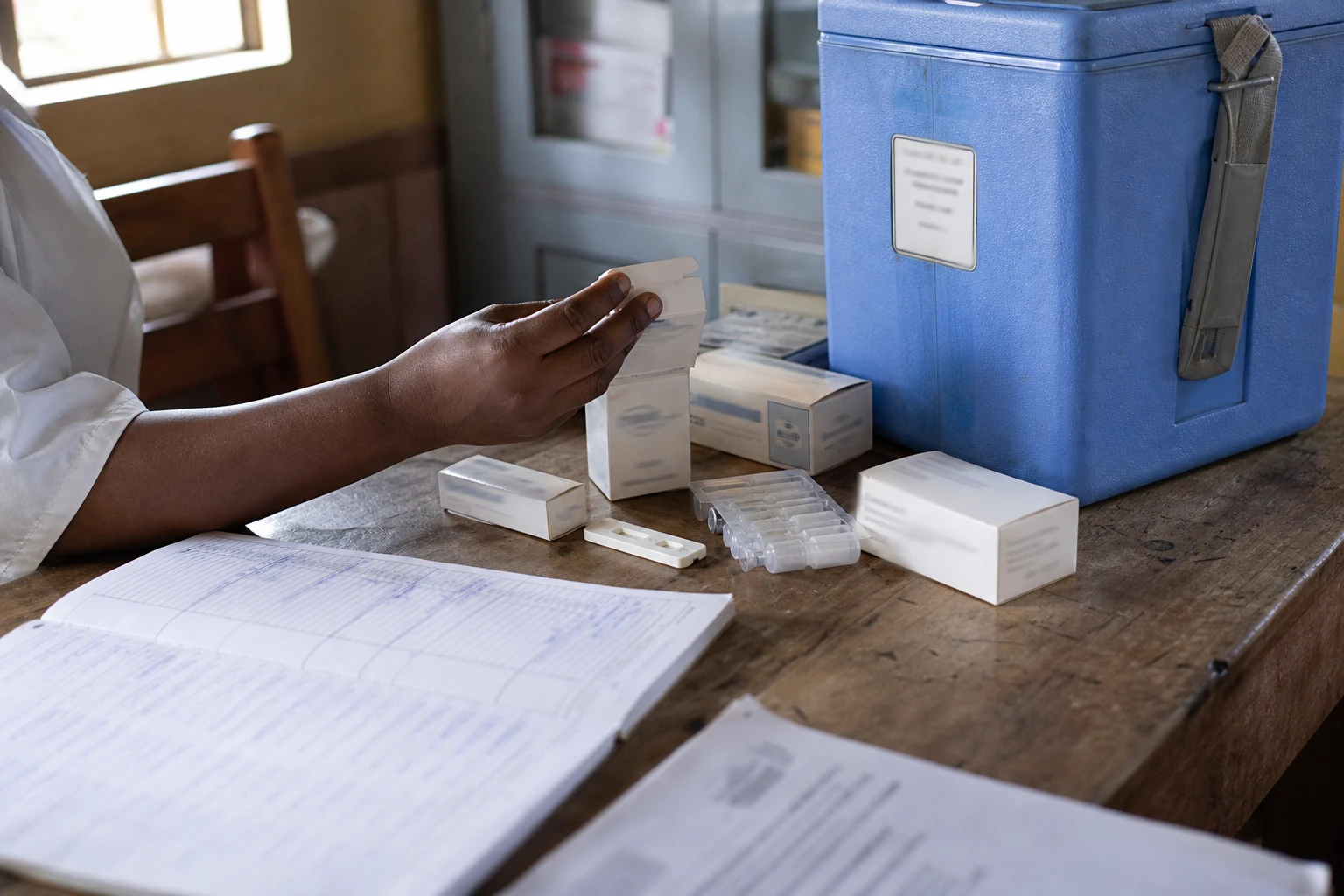
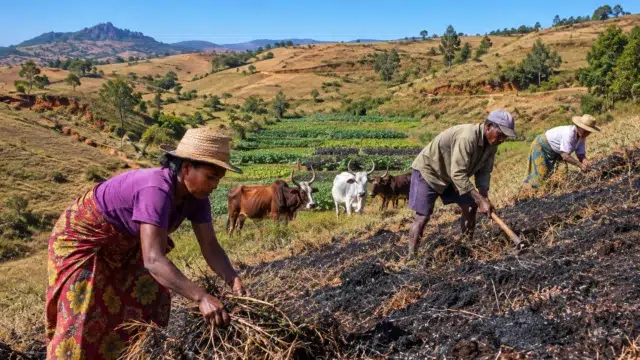
In Ifanadiana district, in south-eastern Madagascar, health emergencies are measured in distance. In several remote communes, a medical consultation can require hours or even days of travel. This reality complicates care for children affected by malaria, measles and, in some cases, malnutrition.
A health alert in hard-to-reach communes
Madagascar’s Ministry of Public Health has recorded 37 deaths in the communes of Fasintsara and Ampasinambo, in Ifanadiana district. The toll was reported in Antananarivo on 22 September 2026, after several days of field investigations.
According to the authorities, five deaths occurred in health facilities. The others were recorded in communities. Children under 15 account for about three-quarters of the victims, with a high proportion of children under five.
The initial data available point to a combination of measles and malaria. Some children are believed to have been affected by just one of these diseases. Others showed signs consistent with both infections. Malnutrition and delays in seeking care also worsened several cases.
Samples analysed by the Institut Pasteur de Madagascar confirmed the presence of measles in three out of four samples. Rapid tests conducted during consultations also identified 36 positive cases of malaria. These figures relate to people examined by medical teams and therefore do not constitute a general census of the population.
The ministry also says that some of the children who died had received no vaccines. This so-called “zero-dose” status refers to children who have not received any routine vaccinations. It reflects less an individual choice than difficulties accessing health services, vaccination campaigns and medical information.
The last-mile healthcare challenge
In Ifanadiana, remoteness turns logistics into a medical issue. The affected localities are far from the main health facilities. The overland journey can involve walking, degraded tracks and transport by tractor. For families, this delay can hold up diagnosis and care for a child with a fever.
This constraint affects not only patients. It also weighs on vaccination teams, community health workers and prevention programmes. A broken cold chain, a distant stock of medicines or an impossible evacuation can undermine the effectiveness of a response that is otherwise available in urban centres.
Local officials have criticised the authorities’ response time. The district’s MP, Haja Dinah, says he alerted the ministry as early as 9 September. The ministry, for its part, dates the launch of the field investigation to 16 September. These accounts point to a debate over when the alert was recognised and how quickly the response was mounted.
Caution is still needed over the precise timeline of the first reports. What is clear, however, is the shared conclusion: the isolation of the communes delayed access to care and complicated the distribution of medical supplies.
Drones speed up the delivery of medical supplies
To reduce delays, UNFPA Madagascar has mobilised its drone delivery service. The aircraft connect, among other locations, the base at Ranomafana with the areas concerned. Supplies are first taken to the launch site, then flown to health centres or local teams.
Since the emergency operation began, several flights have delivered anti-malaria medicines, vaccines and other health supplies. Electrical and IT equipment has also been transported to keep facilities in remote areas operating.
The authorities and their partners have reported 26 flights in ten days. Another local communication reported eight flights as of 20 September, before the operation was stepped up. These figures therefore refer to different stages of the same operation, rather than necessarily being contradictory totals.
The system does not replace a road, a health centre or a permanent medical team. It can, however, save several hours in delivering a treatment, vaccine or test. In a severe case of malaria, that time can be decisive.
The technology is part of a broader programme to serve remote areas. A UNFPA document says the Madagascar service covers six regions, 13 districts and around 100 health centres. Ifanadiana is among the districts included in the network.
A response that must go beyond the emergency
The Ministry of Public Health says the situation is now under control. Multidisciplinary teams have been deployed, including preventive medicine professionals, hospital specialists and local health workers.
More than 360 consultations have been carried out in the areas concerned. Seven patients remained in hospital at the time of the latest figures reported by the authorities, several of them with malaria. The response also covers nutrition, water, case monitoring and vaccination.
The simultaneous presence of measles and malaria is a reminder that the response cannot be limited to sending medicines. Measles requires regular vaccination coverage and rapid case detection. Malaria requires accessible tests, available treatments, suitable mosquito nets and immediate care for severe cases.
Malnutrition adds another layer of vulnerability. It can weaken the immune system and complicate children’s recovery. In remote households, it often compounds the cost of transport, lost income when caring for a sick person and the difficulty of returning for a medical check-up.
An issue for south-eastern Madagascar
Ifanadiana is in the Vatovavy region, in south-eastern Madagascar. The area has economic and health links with neighbouring districts. A local outbreak can therefore quickly mobilise regional networks for surveillance, vaccination and supplies.
Madagascar is also pursuing a national malaria control strategy for 2023-2027. The World Health Organization notes that the disease remains a major challenge in the country and is among the leading reasons people seek care. The response in Ifanadiana will thus test the system’s ability to link community surveillance, laboratories, health centres and emergency transport.
The next challenge will be continuity. Once deaths have stabilised, vaccination will need to be maintained, malnourished children followed up, stocks replenished and the absence of new outbreaks in neighbouring communes verified. For Ifanadiana’s residents, the question will not simply be whether they receive air-delivered aid during the crisis. It will also be whether they can access a health worker, a vaccine and treatment over the long term, before an emergency becomes irreversible.
The latest information reported on the health situation in Ifanadiana, the drone-based medical delivery service and an overview of UNFPA’s drone programme in Madagascar provide updates on the different aspects of the response.