Algeria
 Egypt
 Libya
 Morocco
 Sudan
 Tunisia
 Benin
 Burkina Faso
 Cabo Verde
 Côte d'Ivoire
 Ghana
 Guinea
 Guinea-Bissau
 Mali
 Mauritania
 Niger
 Nigeria
 Senegal
 Sierra Leone
 The Gambia
 Togo
 Cameroon
 Central African Republic
 Chad
 DR Congo
 Equatorial Guinea
 Gabon
 Republic of the Congo
 São Tomé and Príncipe
 Burundi
 Comoros
 Djibouti
 Eritrea
 Ethiopia
 Kenya
 Madagascar
 Malawi
 Mauritius
 Mozambique
 Rwanda
 Seychelles
 Somalia
 South Sudan
 Tanzania
 Uganda
 Angola
 Botswana
 Eswatini
 Lesotho
 Namibia
 South Africa
 Zambia
 Zimbabwe
Can a railway linking mines in northern Liberia to the coast serve purposes beyond iron ore exports? The answer will depend as much on access and funding rules as on the creation of a new public authority.
Reform under way since 2022, still without a permanent law
Liberia has been seeking for several years to regulate the use of its railway infrastructure. On 17 October 2022, former president George Weah created a national railway authority by decree. But a presidential decree cannot replace a law passed by both chambers of Parliament. The arrangement has therefore remained provisional.
President Joseph Nyuma Boakai subsequently renewed this executive framework, notably with Decree No. 153 in October 2025. It provided for the drafting of a text to establish the authority on a lasting basis and organise shared access to the tracks. In October 2026, a new decree extended the preparatory work. This succession highlights the delay in creating a regulator with a permanent legal basis.
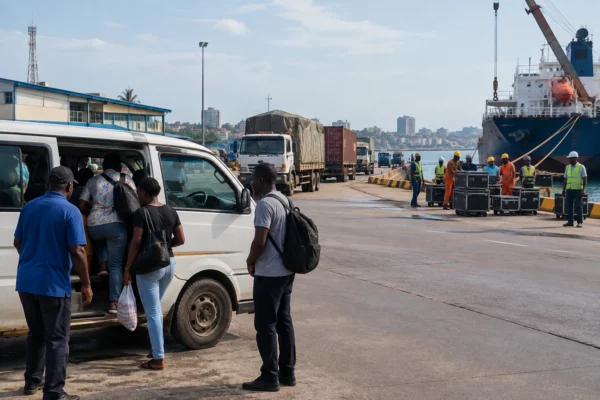
The issue concerns the Yekepa-Tokadeh-Buchanan line, in the north and centre of the country. It links mining areas in Nimba County to the port of Buchanan, in Grand Bassa County, on the Atlantic coast. The corridor also crosses Bong County. It lies in a region where transport infrastructure can influence trade with neighbouring countries and export routes to the Atlantic.
Bill approved, but not yet before MPs
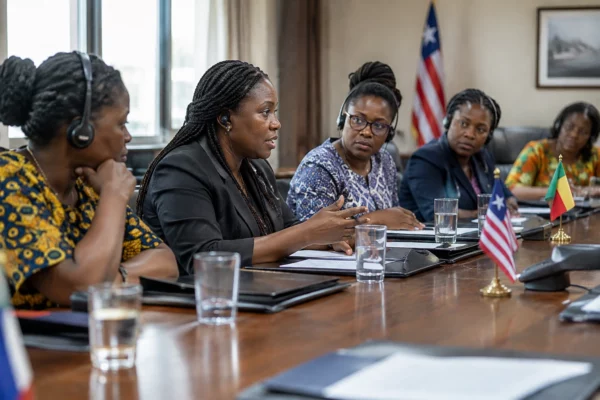
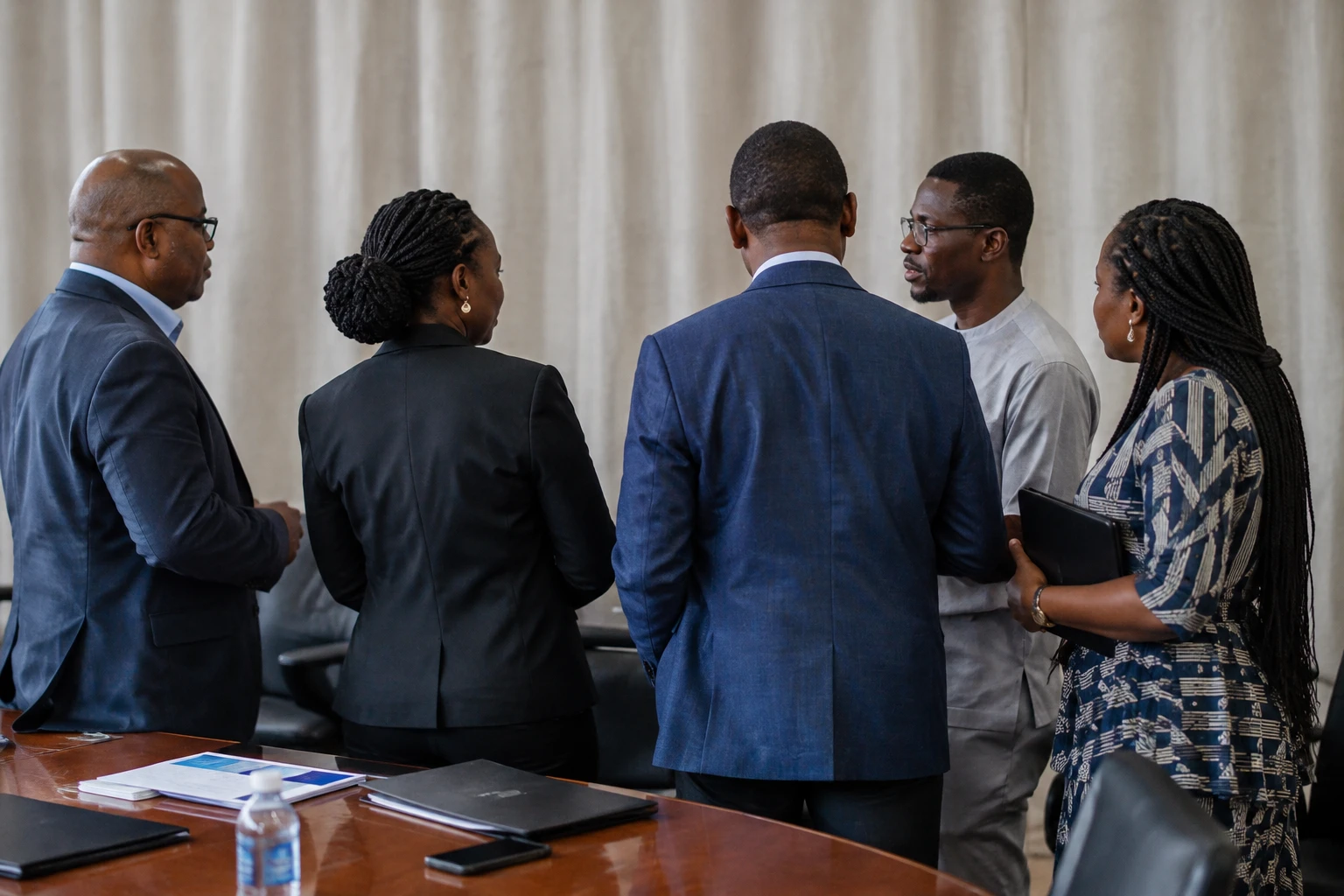
On 4 November 2026, representatives from the mining sector, rail users, environmental organisations and civil society completed the approval of the bill on the National Railway Authority of Liberia in Monrovia. The Ministry of Mines and Energy says participants reviewed the text and proposed amendments. This stage prepares the way for the next steps; it does not mean that Parliament has received or adopted the bill.
Participants included ArcelorMittal Liberia, which currently operates the line, and Ivanhoe Atlantic, also referred to as HPX in information about the Kon Kweni project. The ministry says the text must still go through an institutional process before being sent to the president and then possibly presented to Parliament. The timetable and final details of this submission have not yet been made public.
The bill proposes giving a national institution responsibility for setting operating rules, safety standards and conditions for access to the network. The aim is to move away from a system in which the tracks primarily serve the needs of a mining concession, without disregarding contractual commitments already entered into by the state.
Sharing the tracks, allocating the costs
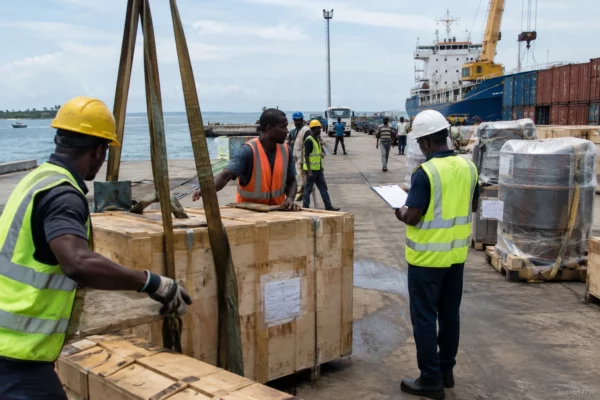
ArcelorMittal Liberia transports iron ore from its northern operations to Buchanan. The company and the state have provided for the corridor to accommodate other users. However, the amended mining agreement, ratified by legislators, makes such access conditional on government authorisation and funding for the necessary improvements. Opening the network therefore does not mean that all operators will be able to use the same tracks immediately or on the same terms.
The regulator will have to determine, among other things, how to allocate train slots, calculate fees and share the costs of maintenance or expansion. It will also have to handle disagreements between operators. Without transparent rules, a new entrant could face insufficient capacity or high costs. Conversely, poorly calibrated obligations could undermine the maintenance of infrastructure used on a large scale for mining exports.
Independence will be just as important. The authority will have to balance the interests of companies, the commitments made by the government and the public interest, without depending on an operator it is supposed to regulate. It will also have to enforce safety standards and take account of environmental concerns linked to construction work and increased traffic.
The potential benefits are unevenly distributed. Mining companies could gain more predictable access to the port. The authorities also hope to attract investment and eventually broaden rail use to carry agricultural products and other goods. For residents of the counties along the route, however, the benefits will depend on the jobs actually created, the services available and the impact of projects on local areas. A line designed for mining freight does not automatically become a transport service for passengers or local producers.
A Liberian issue with West African implications
The reform is part of a broader strategy to diversify infrastructure and develop export corridors. ECOWAS, the Economic Community of West African States, promotes regional integration and trade among its members. A better-governed railway link could make Liberia more attractive for minerals and other goods. However, its regional reach will depend on concrete decisions about capacity, tariffs, connections and agreements between states: the bill alone will not create a cross-border network.
The next step is therefore political and legal. The text must still be considered by the executive before being submitted to the national legislature for review. MPs will have to clarify the authority’s powers, resources and safeguards for its independence. After several years of successive decrees, the test will be not so much the announcement of a new institution as its ability to enforce fair rules on the ground, for Liberia’s benefit and without confusing opening the railway with automatically sharing its costs.