Algeria
 Egypt
 Libya
 Morocco
 Sudan
 Tunisia
 Benin
 Burkina Faso
 Cabo Verde
 Côte d'Ivoire
 Ghana
 Guinea
 Guinea-Bissau
 Mali
 Mauritania
 Niger
 Nigeria
 Senegal
 Sierra Leone
 The Gambia
 Togo
 Cameroon
 Central African Republic
 Chad
 DR Congo
 Equatorial Guinea
 Gabon
 Republic of the Congo
 São Tomé and Príncipe
 Burundi
 Comoros
 Djibouti
 Eritrea
 Ethiopia
 Kenya
 Madagascar
 Malawi
 Mauritius
 Mozambique
 Rwanda
 Seychelles
 Somalia
 South Sudan
 Tanzania
 Uganda
 Angola
 Botswana
 Eswatini
 Lesotho
 Namibia
 South Africa
 Zambia
 Zimbabwe
A few kilometres from Monrovia, chimpanzees now live far from cages, but not far from care. In Liberia, their story says much more than simply rescuing animals. It also speaks to the country’s role in protecting West African biodiversity, and the difficulty of repairing, over the long term, the damage left by years of experimentation.
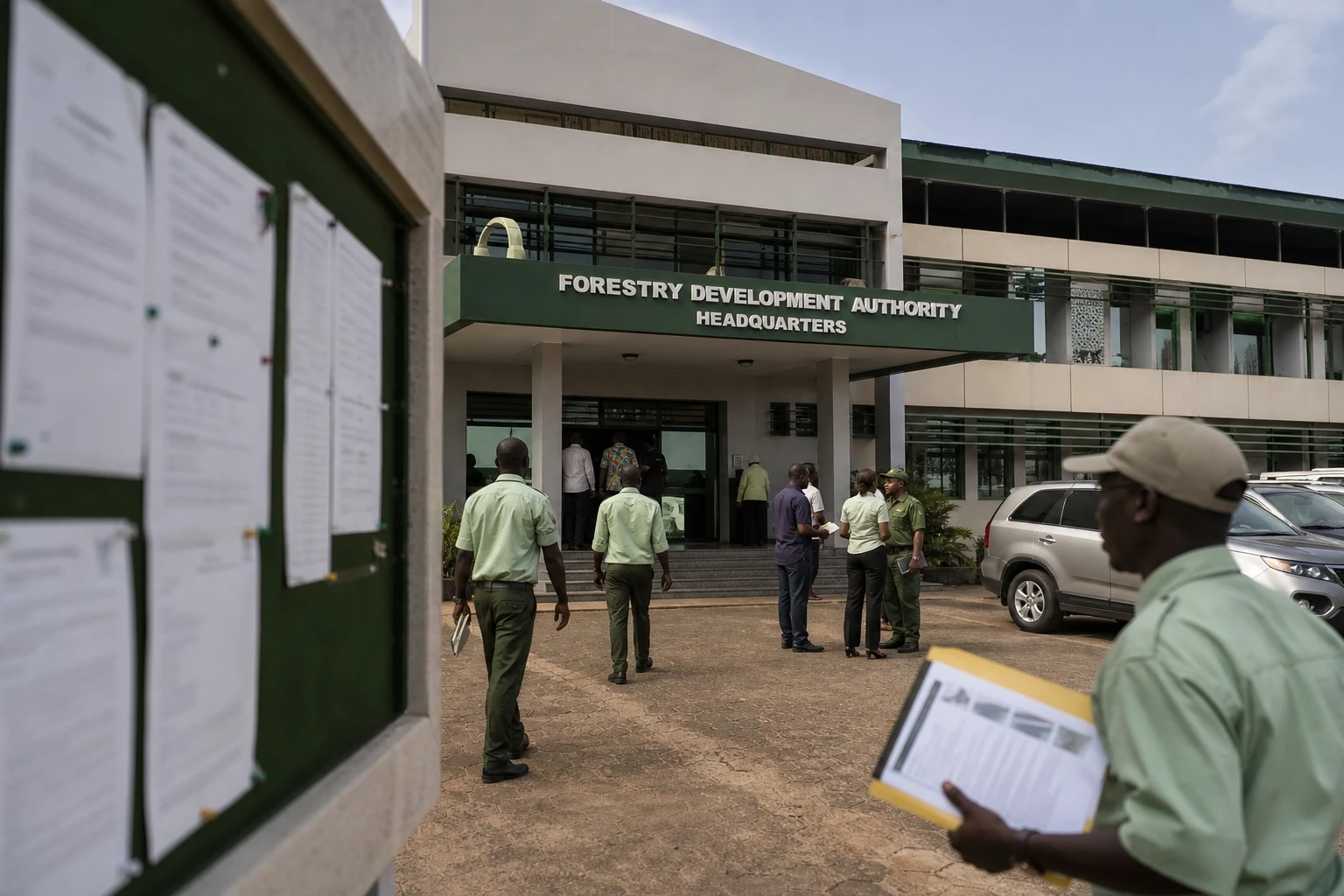
Liberia occupies a particular position in this story. The country still contains important habitats for the western chimpanzee, a subspecies classified as Critically Endangered by the IUCN since 2016. The Forestry Development Authority and the Environmental Protection Agency in Monrovia regularly stress that conservation is not a peripheral issue: it concerns forests, the law, neighbouring communities and the state’s environmental credibility.
Routine examinations for animals not enjoying an ordinary retirement
At the Second Chance Chimpanzee Refuge Liberia, chimpanzees once used for scientific research have recently undergone a series of thorough veterinary examinations. Checks covered blood, faeces, mobility, bones, muscles and joints. The aim is simple: to detect illnesses linked to ageing or years spent in laboratories early, then tailor care to each individual.
This care is not an occasional exception. The refuge is home to dozens of chimpanzees, often described as former research subjects, and provides them with lifelong care. They live in social groups on mangrove-covered islands, in an environment designed to remain close to their natural behaviour. The site is near Monrovia, on a group of estuarine islets that require regular veterinary monitoring and suitable infrastructure.
This matters. Many of these animals were captured in the wild when very young, then moved, raised or kept for years in laboratory conditions. With this kind of history, health problems do not disappear when experiments end. They often persist throughout life. That is precisely what the refuge’s teams say they aim to monitor, through comprehensive examinations and individual protocols.
A refuge rooted in scientific history and ethical debate
The refuge’s history dates back to a time when chimpanzees were used in biomedicine, including in invasive experiments. Sources consulted refer to dozens of animals abandoned or transferred to a sanctuary system as these programmes gradually closed. The Liberian refuge is therefore part of a process of repair that is incomplete but real: replacing a logic of exploitation with one of long-term care.
This shift also has scientific and regulatory significance. Chimpanzees were long considered useful models for biomedical research. But ethical standards for their use have tightened, while evidence of their intelligence and social nature, as well as the limitations of the chimpanzee model, has gained ground. Liberia’s refuge is now presented as a space for moving towards a different relationship with great apes: less capture, more protection and more veterinary monitoring.
The Liberian case is not isolated. It is part of a broader trend in West Africa, where primate conservation depends on forests, ecological corridors, anti-trafficking controls and partnerships between government agencies and NGOs. In Liberia, the FDA is already working with partners to combat wildlife and forest crime, while projects supported by international donors are strengthening monitoring in parts of the country’s south-east.
A conservation issue and a test of governance
The western chimpanzee’s status gives this refuge a significance that extends beyond animal welfare. The IUCN has classified this subspecies as Critically Endangered. The 2020-2030 regional action plan describes a severe decline and a trajectory towards extinction if measures remain inadequate. In short, every protected site matters, especially in countries where fragments of viable habitat still remain.
For Liberia, the stakes are twofold. On the one hand, the country is protecting an emblematic species of its forests. On the other, it is showing that a specialist care facility can operate in a West African context often dominated in international debate by political or economic emergencies. The refuge is a reminder that there is another side to Liberia: technicians, veterinarians, keepers and organisations investing in conservation, sometimes far from the spotlight.
The questions are then very practical. How can care be funded over decades? How can islands, jetties, veterinary supplies and skilled teams be maintained? How can the ageing of animals that will never be released be managed? These are matters of governance, but also of budgets and administrative capacity. The Liberian refuge serves as a testing ground for these responses.
Regional significance for West Africa
Beyond Liberia, this story says something about West Africa as a whole. The region’s chimpanzees do not recognise political borders, but they are affected by the boundaries of public policy: national laws, controls on capture, pressure on forests and habitat fragmentation. That is why regional frameworks, from the IUCN to cross-border cooperation supported by forestry authorities, are becoming essential.
The Monrovia refuge is also a reminder of a reality that is often overlooked: conservation is not just about national parks. It also concerns confiscated animals, elderly individuals, survivors of trade or research, and the entire human ecosystem around them. In a region where ECOWAS also deals with security, mobility and economic issues, wildlife protection remains a marker of institutional continuity. It shows whether a state can protect what is most vulnerable, even when making amends takes years.