Algeria
 Egypt
 Libya
 Morocco
 Sudan
 Tunisia
 Benin
 Burkina Faso
 Cabo Verde
 Côte d'Ivoire
 Ghana
 Guinea
 Guinea-Bissau
 Liberia
 Mali
 Mauritania
 Niger
 Nigeria
 Senegal
 Sierra Leone
 The Gambia
 Togo
 Cameroon
 Central African Republic
 Chad
 DR Congo
 Equatorial Guinea
 Gabon
 Republic of the Congo
 São Tomé and Príncipe
 Burundi
 Comoros
 Djibouti
 Eritrea
 Ethiopia
 Madagascar
 Malawi
 Mauritius
 Mozambique
 Rwanda
 Seychelles
 Somalia
 South Sudan
 Tanzania
 Uganda
 Angola
 Botswana
 Eswatini
 Lesotho
 Namibia
 South Africa
 Zambia
 Zimbabwe
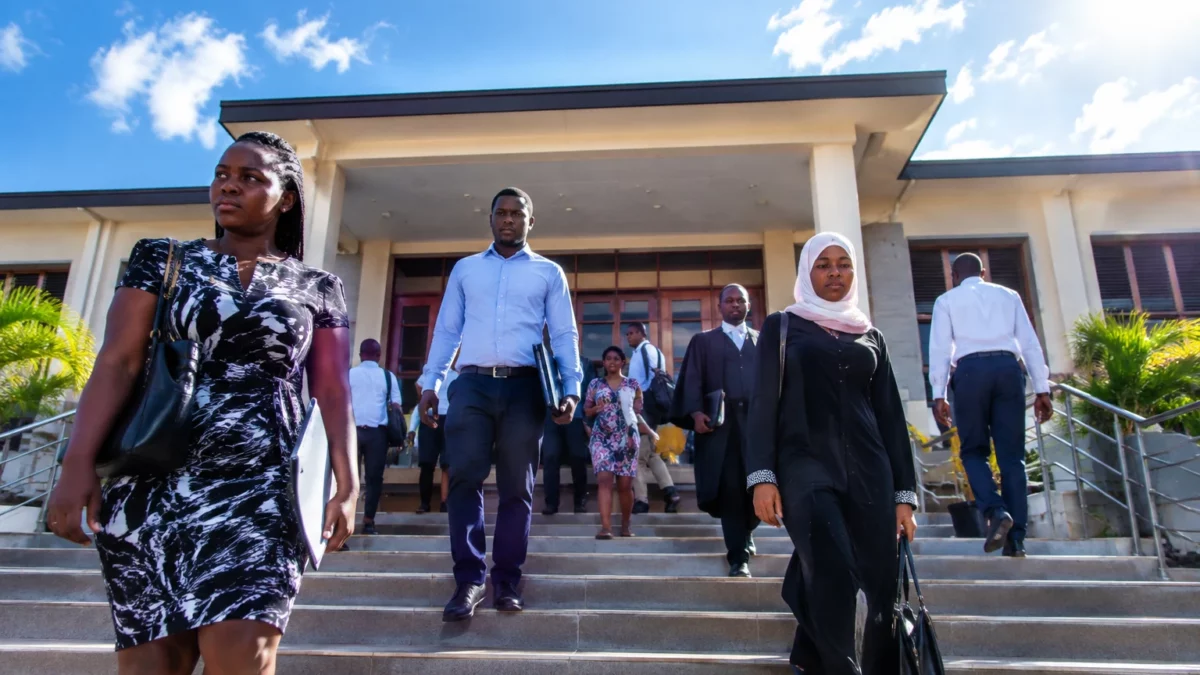
Kenyan justice has just ruled on a central part of the Shakahola case: it found that an organised structure existed behind the deaths in the forest. The verdict concerns Paul Mackenzie, as well as several people in his circle. It reopens a delicate question for Kenya: how can freedom of religion be protected while preventing spiritual authority from being used to isolate and endanger worshippers?
A separate trial, after the murder convictions
On 26 November 2026, the Shanzu court, near Mombasa, found Mackenzie guilty on five counts related to terrorism and radicalisation. Magistrate Leah Juma found that the charges had been proved beyond reasonable doubt. This is a separate case from the murder trial, although both proceedings concern events in Shakahola. The report on the Shanzu ruling sets out the charges on which he was convicted.
The ruling concerns, in particular, participation in organised criminal activity, radicalisation, facilitating a terrorist act and possession of publications linked to these offences. The court described a hierarchical structure around the Good News International Church, with leaders responsible for guiding members, enforcing instructions and managing burials.
According to the evidence accepted by the magistrate, Mackenzie allegedly preached against medical care and formal education, then directed worshippers to Shakahola forest. Witnesses described instructions to fast to the point of death, presented as a way to meet Jesus. The court found their testimony credible. These findings relate to the verdict in this trial; they should not be confused with the overall death toll in the area.
Rhoda Mumbua Maweu, Mackenzie’s wife, was also found guilty of participating in organised criminal activity and radicalisation. However, the court found that the evidence did not show she had produced or distributed the extremist materials found at her husband’s home. Smart Deri Mwakalama, described as an aide to the preacher, was also among the defendants. Twenty-two other defendants were acquitted in this case.
Shakahola, a case involving multiple death tolls and proceedings
Shakahola forest is in Kilifi county, on Kenya’s coast, inland from Malindi. The first discoveries of bodies in shallow graves led to a major investigation in 2023. Since then, several cases have been handled separately: murder, child abuse, radicalisation and manslaughter. The figures announced vary depending on whether they refer to people who died, bodies exhumed or victims covered by a specific charge.
In the murder trial, the Mombasa High Court found Mackenzie and 28 co-defendants guilty of the deaths of 191 people, including 190 children and one adult. On 6 November, Mackenzie was sentenced to a cumulative 200 years in prison. This ruling does not represent the total number of deaths associated with Shakahola: authorities have exhumed more than 400 bodies, and investigations are not limited to the 191 victims in this trial. Details of the murder conviction clarify the scope of the sentence.
Another verdict, delivered on 25 November in a case concerning children, found Mackenzie and several co-defendants guilty of child abuse. Twenty-four people were acquitted in those proceedings. As of 27 November, a separate manslaughter ruling is expected at the Mombasa court. Mackenzie’s defence has announced its intention to challenge some convictions on appeal.
An organisation that went beyond preaching alone
The Shanzu ruling focuses on the control mechanisms described during the hearings. The court referred to villages established in the forest, leaders tasked with monitoring members, and people assigned to transport or bury the dead. This judicial assessment distinguishes a series of individual acts from an organised system. It will nevertheless have to be examined through the avenues of appeal open to those convicted.
The consequences of this organisation are not limited to the charges. Families have lost children and other relatives; survivors must cope with the physical and psychological effects of isolation and fasting. Evidence reported in court also describes worshippers who allegedly left their jobs, homes or social networks to follow the group’s instructions. The public response must therefore combine criminal justice, support for survivors and identification of victims.
The case also raises the question of oversight of religious organisations in Kenya. It does not justify equating faith communities with the acts of which Mackenzie is accused. However, previous warnings to the authorities and the failings examined in the investigation raise questions about institutions’ ability to intervene before people are cut off from their relatives and essential services. Finding this balance requires safeguards for religious freedom, as well as alert and protection mechanisms that apply to everyone.
An issue for Kenya and East Africa
The case is being heard in several Kenyan cities, while the capital, Nairobi, is home to some of the national institutions involved. It has engaged courts, investigators and child protection services. For people on the coast, it also has a local dimension: judicial operations, exhumations and support for families are taking place in the communities of Kilifi and Mombasa, far from national decision-making centres.
Regionally, Kenya is a member of the East African Community (EAC), which brings several neighbouring countries together for economic and political co-operation. The case is not, in itself, an EAC matter. It nevertheless speaks to a shared concern: how to prevent the exploitation of vulnerable people by networks presenting themselves as religious without turning oversight into a general restriction on belief.
The next legal steps will be decisive. The ruling expected in Mombasa in the manslaughter case, possible appeals and the progress of proceedings linked to other deaths will clarify the extent of the responsibility established. For families, judicial recognition of an organised system matters; it does not replace the identification of all victims or answers about warnings that might have prevented the tragedy from spreading.