Algeria
 Egypt
 Libya
 Morocco
 Sudan
 Tunisia
 Benin
 Burkina Faso
 Cabo Verde
 Côte d'Ivoire
 Ghana
 Guinea
 Guinea-Bissau
 Liberia
 Mali
 Mauritania
 Niger
 Nigeria
 Senegal
 Sierra Leone
 The Gambia
 Togo
 Cameroon
 Central African Republic
 Chad
 DR Congo
 Equatorial Guinea
 Gabon
 Republic of the Congo
 São Tomé and Príncipe
 Burundi
 Comoros
 Djibouti
 Eritrea
 Ethiopia
 Madagascar
 Malawi
 Mauritius
 Mozambique
 Rwanda
 Seychelles
 Somalia
 South Sudan
 Tanzania
 Uganda
 Angola
 Botswana
 Eswatini
 Lesotho
 Namibia
 South Africa
 Zambia
 Zimbabwe
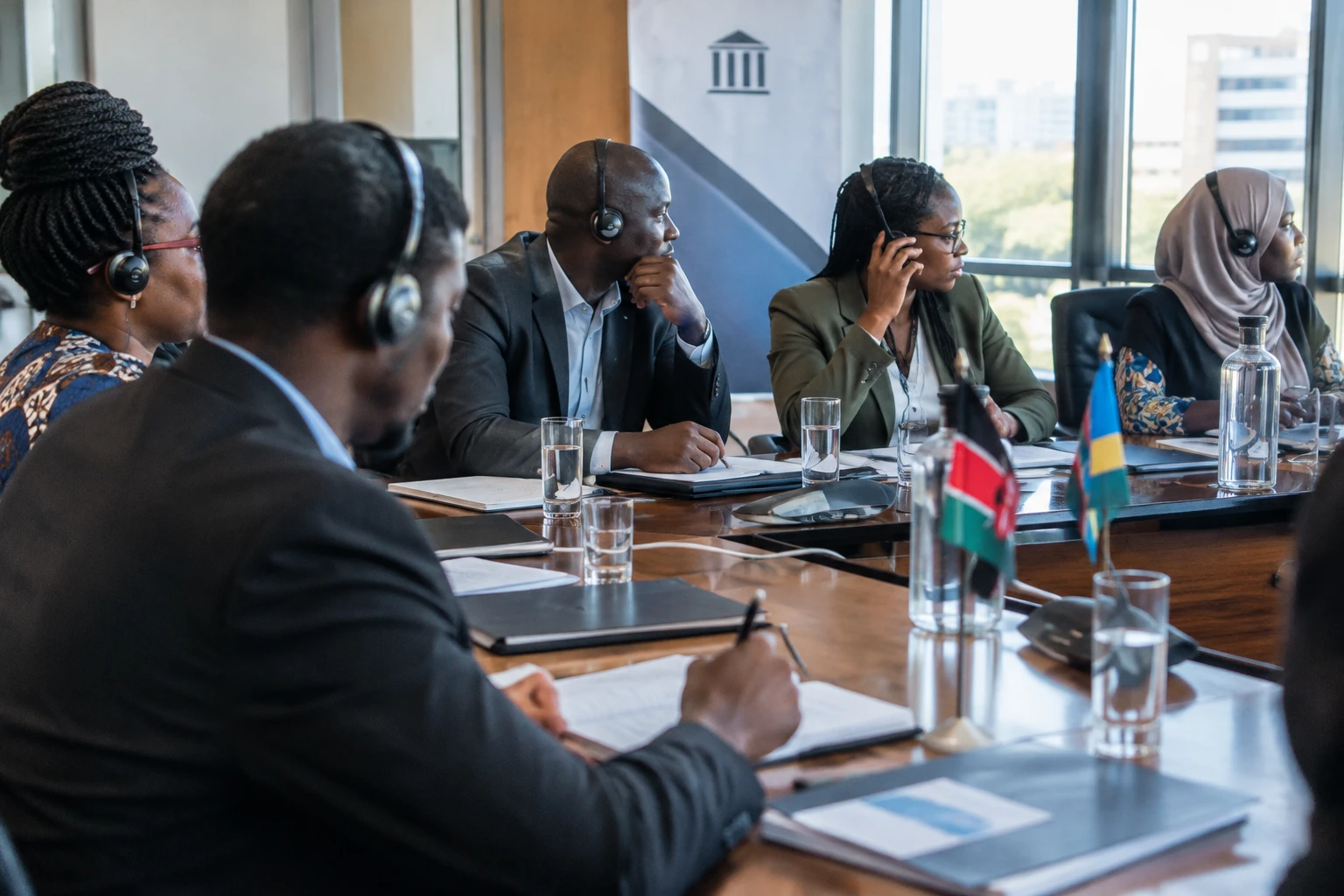
At Shakahola, in the coastal county of Kilifi, the trial is about more than bodies found in the forest. It also raises a difficult question for Kenya: how can worshippers be protected from coercion without giving the state the power to decide which beliefs are legitimate?
The High Court sitting in Mombasa is due to deliver its decision this Monday, 19 October 2026, in the Shakahola murder case. Paul Nthenge Mackenzie and his co-accused are charged over deaths associated with an extreme fast imposed on followers. The expected decision concerns a specific legal proceeding; by itself, it will not resolve the outstanding questions of responsibility and prevention.
A case that also implicates institutions
Shakahola is in Kilifi county, on the Indian Ocean coast, far from Nairobi, Kenya’s capital. In 2023, authorities discovered graves there and exhumed hundreds of bodies. The death toll changed as operations continued. A report by an ad hoc committee of the Kenyan Senate counted 428 bodies exhumed by 13 October 2023 and 429 deaths when a suspect who died in custody was included. It estimated that the total could rise further.
This official count calls for caution when considering rounded or differing figures in circulation. It also serves as a reminder that identifying victims and establishing causes of death required lengthy forensic and judicial work. The tragedy highlighted possible failings in monitoring a group based in an isolated area, as well as the difficulties of intervening across a large and hard-to-reach zone.
The debate is taking place in a country where the Constitution protects freedom of religion and association, but does not make these rights unlimited. The Senate investigated the circumstances of the deaths, the role of religious leaders and security services, and the framework for registering faith-based organisations. Its 2023 report proposed legislative reform. The question is a delicate one: how to regulate abuse without turning administrative oversight into a general restriction on freedom of worship.
What the trial must establish
According to the Kenya Broadcasting Corporation, the case due to be decided concerns 191 murder charges relating to children whose bodies were exhumed. The Kenyan public broadcaster says 31 people were put on their defence after the judge ruled on 15 April 2026 that the prosecution had presented sufficient evidence for the trial to proceed. It also reports that 121 witnesses were heard.
These figures do not match the initial summary, which referred to 95 accused. Kenyan reports published ahead of the judgment name Paul Mackenzie and 35 co-accused in this case, while the number of people actually called to present their defence is 31. The different proceedings related to Shakahola should therefore not be conflated: the number of defendants varies according to the case and the charges.
Testimony reported during the trial, along with autopsy reports and analyses presented by the prosecution, must be assessed by the court. Witnesses described several roles at the camp, including guards, village elders, gravediggers and cooks. The decision must establish individual criminal responsibility in accordance with the evidence and procedural rules, rather than treating all the accused as a single group.
The case also concerns families and survivors. Some relatives lost several members of their families. Survivors testified to their isolation and the pressure they faced. These accounts illustrate the human consequences of the case, but do not replace judicial examination of each charge. Any conviction will not bring the victims back, and a judgment alone will not be enough to provide lasting support to those who survived.
Beyond the verdict, prevention remains at stake
The significance of Shakahola has been renewed by further discoveries in nearby Kwa Binzaro, also in Kilifi county. In 2025, teams exhumed more bodies and found human remains. Authorities were investigating these deaths separately: geographical proximity alone is not enough to establish that they involved the same people or events.
These discoveries underscore the need for reporting mechanisms that are accessible to residents and families, prompt investigations into disappearances, and coordination between local authorities, police, social services and judicial institutions. They also raise the question of support for survivors, particularly when a group’s hold over them and their estrangement from relatives make it difficult to return to everyday life.
Kenya is a member of the East African Community (EAC), a regional organisation for co-operation between countries in the region. The trial is not an EAC decision, but its implications extend beyond Kilifi: freedom of religion, child protection and the accountability of authorities are issues that concern the entire region. The case highlights an institutional balance that must be built: preventing violence and prosecuting its perpetrators while protecting constitutional rights.
The decision expected in Mombasa will mark an important judicial milestone. What follows will also depend on the implementation of parliamentary recommendations, investigations into later discoveries and the ability of public services to identify situations of coercion before they become irreversible.
For judicial context, KBC’s coverage of the decision expected in Mombasa reports the charges and the evidence presented at trial. The Kenyan Senate committee’s report on Shakahola details the 2023 toll and institutional recommendations. The further exhumations at Kwa Binzaro were also reported by the Kenyan newspaper The Standard and the Associated Press.