Algeria
 Egypt
 Libya
 Morocco
 Sudan
 Tunisia
 Benin
 Burkina Faso
 Cabo Verde
 Côte d'Ivoire
 Ghana
 Guinea
 Guinea-Bissau
 Liberia
 Mali
 Mauritania
 Niger
 Nigeria
 Senegal
 Sierra Leone
 The Gambia
 Togo
 Cameroon
 Central African Republic
 Chad
 DR Congo
 Equatorial Guinea
 Gabon
 Republic of the Congo
 São Tomé and Príncipe
 Burundi
 Comoros
 Djibouti
 Eritrea
 Ethiopia
 Madagascar
 Malawi
 Mauritius
 Mozambique
 Rwanda
 Seychelles
 Somalia
 South Sudan
 Tanzania
 Uganda
 Angola
 Botswana
 Eswatini
 Lesotho
 Namibia
 South Africa
 Zambia
 Zimbabwe
Amboseli, a vital corridor where human pressure is immediately visible
In Amboseli, the death of elephants is never just another news story. It affects an area where wildlife, pastureland, agriculture and tourism meet every day, on Kenya’s southern border in Kajiado County. It is also one of the country’s most iconic sites for observing large elephant herds, with direct economic value for local communities and for Kenya’s image among visitors.
In this area of constant movement, the question is not simply why elephants are dying. It is also how a territory shared between conservation and agricultural activities allows dangerous substances to reach wildlife habitat. That is what gives the case its environmental, judicial and social dimensions.
What Kenyan investigators say
Kenyan authorities have announced the arrest of four people in an investigation into the deaths of 18 elephants in the Amboseli ecosystem, while a fifth person is being sought. The investigation is being conducted by a team comprising the Kenya Wildlife Service, the Directorate of Criminal Investigations and the National Intelligence Service.
Initial laboratory results point to the likely involvement of a toxic substance. Investigators have so far raised the possibility of poisoning linked to tomatoes contaminated with pesticides from farms near areas frequented by elephants. Cyanide is also being investigated. The authorities have, however, stressed one essential point: these results remain subject to full scientific verification before any definitive conclusion can be reached.
According to information made public, 15 deaths were recorded between 24 June and 24 July 2026, followed by three more carcasses added to the total later. This increase prompted tighter monitoring across the Amboseli corridor.
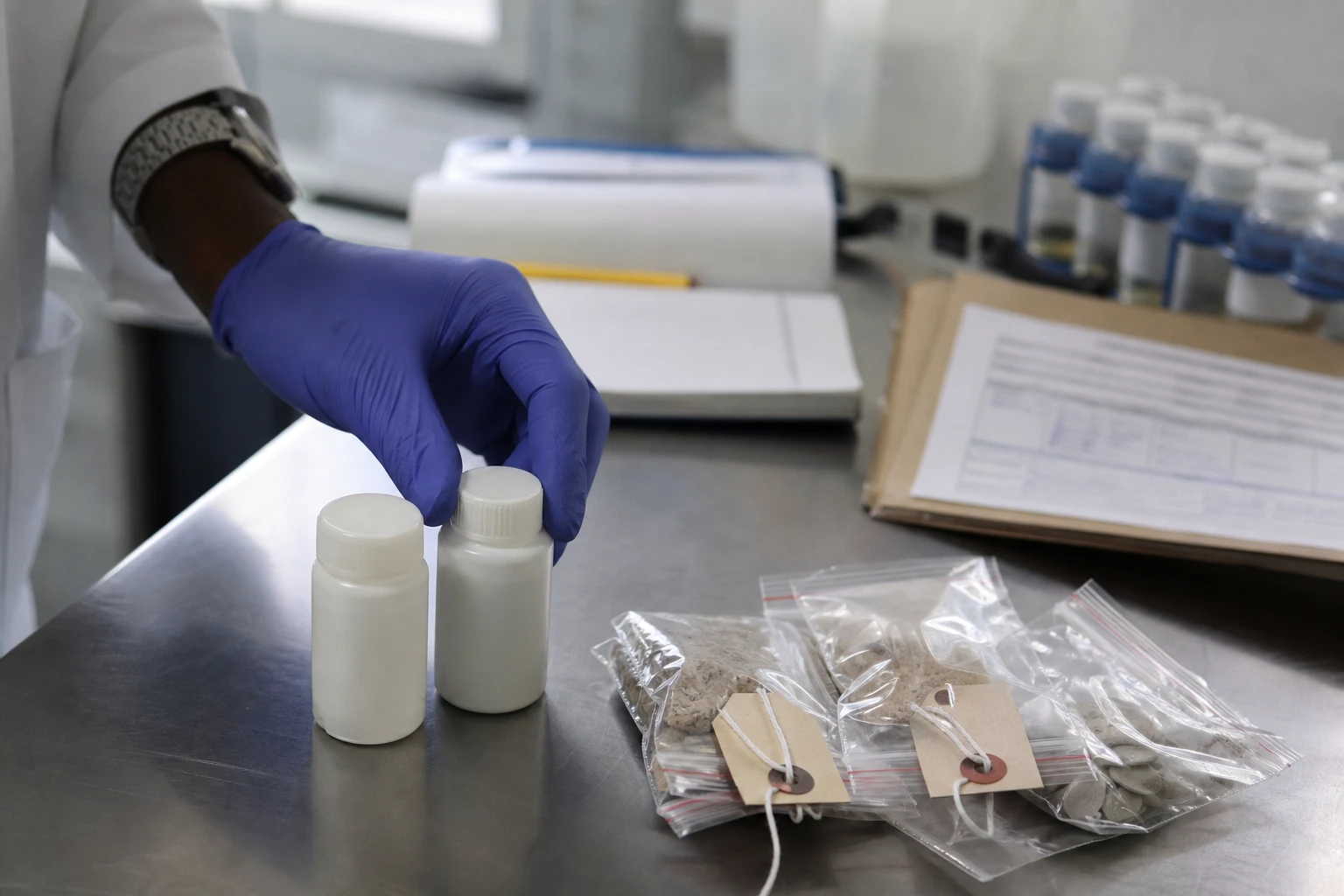
During an operation in Tikondo, in the Kimana area, investigators seized unlabelled chemicals considered potentially toxic. Samples were sent to a laboratory to determine whether the substances were directly linked to the elephant deaths. Here too, the authorities are careful to distinguish the seizure of a product from criminal proof. The former, on its own, is not enough to establish guilt.
Why this case goes beyond wildlife
Amboseli is at the heart of a broader system in which pastoral livestock herding, horticulture and the movement of wildlife often intersect without clear boundaries. When improperly stored or unlabelled chemicals are found near this area, the risk concerns more than elephants. It also affects soil, water, livestock and crops, and ultimately food security. That is why the Kenya Veterinary Association has called for a broader, multi-agency investigation to rule out simplistic explanations and verify the true origin of the toxic substance.
The economic stakes are just as tangible. Amboseli remains a landmark of Kenyan wildlife tourism, and the health of its herds underpins the appeal of an entire local ecosystem. For residents, living alongside elephants is an ambivalent experience: it brings income through tourism and conservation, but can also create tensions when crops are threatened or regulations on agricultural inputs are weakly enforced. The Kenyan government has previously acknowledged that the Amboseli areas are among those most exposed to human-wildlife conflict during droughts or periods of pressure on resources.
A purely security-focused interpretation would therefore be insufficient. This case also raises questions about pesticide controls in Kenya, the traceability of substances circulating in rural areas, and the level of co-ordination between environmental services, police and health authorities. The fact that some conservation organisations are calling for an independent investigation shows that confidence in the analytical process matters as much as the analysis itself.
A strong signal for Kenya, and for East Africa
The case resonates beyond Kenya because it touches on an issue shared by several members of the East African Community: how to protect biodiversity corridors without ignoring agricultural needs and local land use. On the Tanzanian border, Amboseli is a reminder that a natural area is never isolated. It depends on the practices of neighbouring villages, regulatory decisions in Nairobi and the ability of institutions to act swiftly.
For the African Union and regional conservation frameworks, the challenge is clear: wildlife protection cannot rely solely on monitoring parks. It also requires rules on chemicals, oversight of sales channels, credible penalties and preventive work with farmers and neighbouring communities. In a country where the Kenya Wildlife Service says it is stepping up monitoring and operational intelligence in sensitive areas, the outcome of this investigation will be a test.
What is at stake now is twofold. On the one hand, the cause of the deaths and the possible responsibility of those arrested must be established beyond doubt. On the other, it remains to be seen whether Kenya can turn this crisis into a lasting response on pesticide regulation, habitat protection and coexistence between agriculture and wildlife. In Amboseli, the legal case will say much more than a simple investigation tally. It will also reveal the true strength of Kenya’s environmental governance.