Algeria
 Egypt
 Libya
 Morocco
 Sudan
 Tunisia
 Benin
 Burkina Faso
 Cabo Verde
 Côte d'Ivoire
 Ghana
 Guinea
 Liberia
 Mali
 Mauritania
 Niger
 Nigeria
 Senegal
 Sierra Leone
 The Gambia
 Togo
 Cameroon
 Central African Republic
 Chad
 DR Congo
 Equatorial Guinea
 Gabon
 Republic of the Congo
 São Tomé and Príncipe
 Burundi
 Comoros
 Djibouti
 Eritrea
 Ethiopia
 Kenya
 Madagascar
 Malawi
 Mauritius
 Mozambique
 Rwanda
 Seychelles
 Somalia
 South Sudan
 Tanzania
 Uganda
 Angola
 Botswana
 Eswatini
 Lesotho
 Namibia
 South Africa
 Zambia
 Zimbabwe
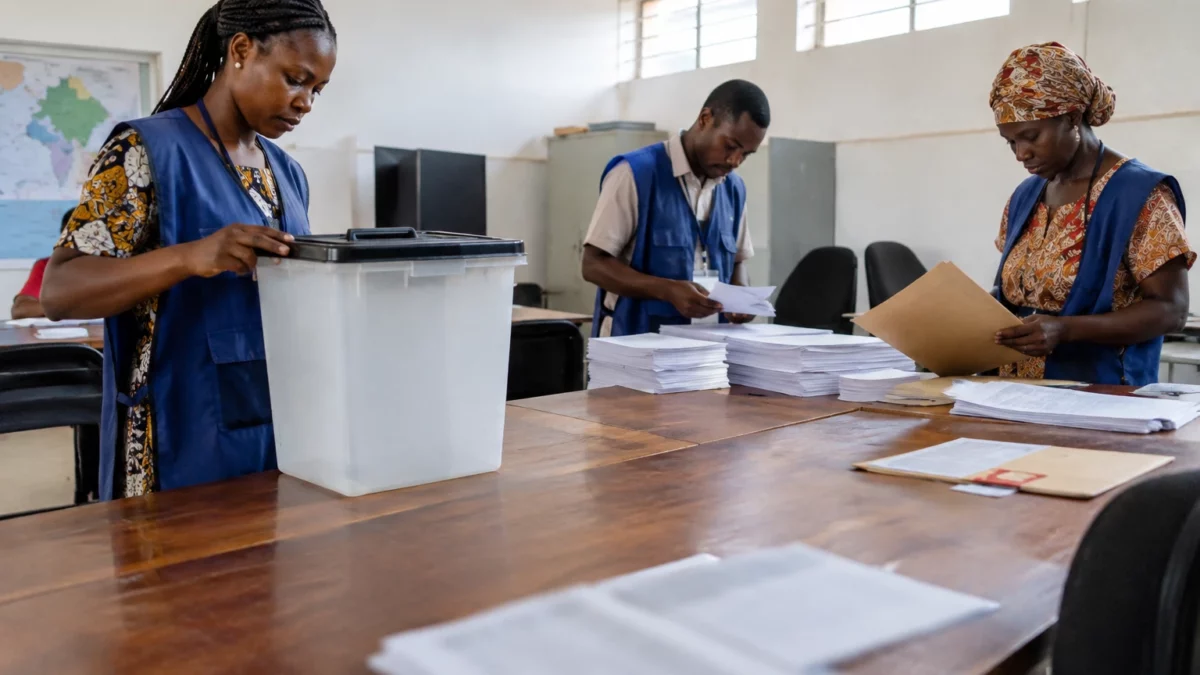
In Bissau, the date of the next vote was supposed to mark a return to civilian rule. It now opens up a further two-year wait. For the people of Guinea-Bissau, the stakes go beyond the electoral calendar: they concern how long the military will remain in power and the conditions under which institutions will resume their normal functioning.
A timetable pushed back beyond the original promise
On 26 November 2026, one year after the army seized power, the president of the transition, General Horta N’Tam, set the presidential and legislative elections for 26 November 2028. The two votes had been scheduled for 6 December 2026. A presidential decree cites insufficient technical, material and financial conditions to organise a credible vote. This is the justification given by the transitional authorities.
The postponement significantly extends the transition announced in the aftermath of the coup. The army seized power on 26 November 2025, three days after the general election, before the official results had been published. Outgoing President Umaro Sissoco Embaló and opposition candidate Fernando Dias both claimed victory. The disruption of the electoral process thus left the central question unanswered: who had won the vote?
According to the timetable set by the authorities, the December 2026 vote was supposed to return power to elected civilian leaders. By pushing back that date, the decree places the return to the ballot box nearly three years after the coup. The date is now known, but that alone does not guarantee that the political and institutional conditions for an open contest will be in place.
An institutional crisis that predates the coup
The 2025 overthrow came amid a period of tensions between the presidency, parliament and political forces. Parliament was dissolved in 2023, and the general election in November 2025 took place in an already contested climate. Guinea-Bissau has experienced several coups and coup attempts since independence. But that record alone does not explain the current crisis: decisions taken since 2025 have directly interrupted an electoral process that was under way.
The transition has also reshaped the rules of the game. In August 2026, a referendum organised by the authorities approved constitutional changes that strengthen presidential powers and reduce the size of parliament, according to reports by the Associated Press. The African Union noted that the referendum took place without international observers and that opposition parties boycotted the process, citing restrictions on campaigning among other reasons. These factors raise questions about the representativeness of institutional decisions taken during the transition.
The authorities argue that a vote held without sufficient preparation would risk undermining its transparency and credibility. This raises a practical question: what specific steps will make it possible to verify that the missing resources have been secured before November 2028? The decree sets a deadline, but the information available does not yet detail a public preparation timetable or guarantees of participation for parties and voters.
The political cost of a prolonged wait
For the authorities, the postponement avoids, according to their statement, a vote they consider insufficiently prepared. For parties and citizens, it delays the opportunity to choose their representatives and hold leaders to account at the ballot box. Uncertainty also surrounds opposition access to campaigning, freedom of assembly and the functioning of electoral institutions, all of which affect confidence in the result.
The regional context adds to the stakes. Guinea-Bissau is a member of ECOWAS, the Economic Community of West African States. After the November 2025 coup, the organisation suspended the country from its decision-making bodies. The African Union also condemned the seizure of power and suspended the country’s participation in its activities. These measures represent institutional pressure, but their effectiveness will depend on engagement with the authorities and verifiable progress towards constitutional order.
In October 2026, the African Union’s Peace and Security Council had already expressed concern about restrictions on political activities, the absence of observers at the referendum and the lack of progress in the investigation into the death of activist Vigário Luís Balanta. It also called for the release of people detained without trial. This assessment does not prejudge what will happen next, but it is a reminder that the electoral debate is not limited to funding and logistics: civil liberties and the safety of political actors are also among the conditions for a credible vote.
Next steps to watch
The decree also mentions the need to institutionalise local authorities and refers to holding the first municipal elections. Local votes could bring representation closer to residents and the decisions that affect them. They would, however, add an administrative and logistical undertaking. The authorities have not yet detailed, in the information available, the precise arrangements or timetable for these municipal elections.
The significance of the 26 November 2028 date will therefore depend on the steps that precede it: publication of a detailed electoral timetable, resources allocated to electoral bodies, equitable access for political parties and the ability of independent observers to monitor the process. ECOWAS and the African Union will also be judged on their ability to support a way out of the crisis without replacing Guinea-Bissau’s institutions.
In a West Africa where several countries have experienced ruptures in constitutional order, Guinea-Bissau is a reminder that announcing a date is not enough to restore confidence. The postponement pushes back the electoral milestone; it resolves neither the disruption of the 2025 vote nor disagreements over the political rules. Developments in civil liberties and the practical preparations for the vote in the run-up to 2028 will show whether this deadline really opens a path towards elected civilian rule.