Algeria
 Egypt
 Libya
 Morocco
 Sudan
 Tunisia
 Benin
 Burkina Faso
 Cabo Verde
 Côte d'Ivoire
 Ghana
 Guinea
 Liberia
 Mali
 Mauritania
 Niger
 Nigeria
 Senegal
 Sierra Leone
 The Gambia
 Togo
 Cameroon
 Central African Republic
 Chad
 DR Congo
 Equatorial Guinea
 Gabon
 Republic of the Congo
 São Tomé and Príncipe
 Burundi
 Comoros
 Djibouti
 Eritrea
 Ethiopia
 Kenya
 Madagascar
 Malawi
 Mauritius
 Mozambique
 Rwanda
 Seychelles
 Somalia
 South Sudan
 Tanzania
 Uganda
 Angola
 Botswana
 Eswatini
 Lesotho
 Namibia
 South Africa
 Zambia
 Zimbabwe
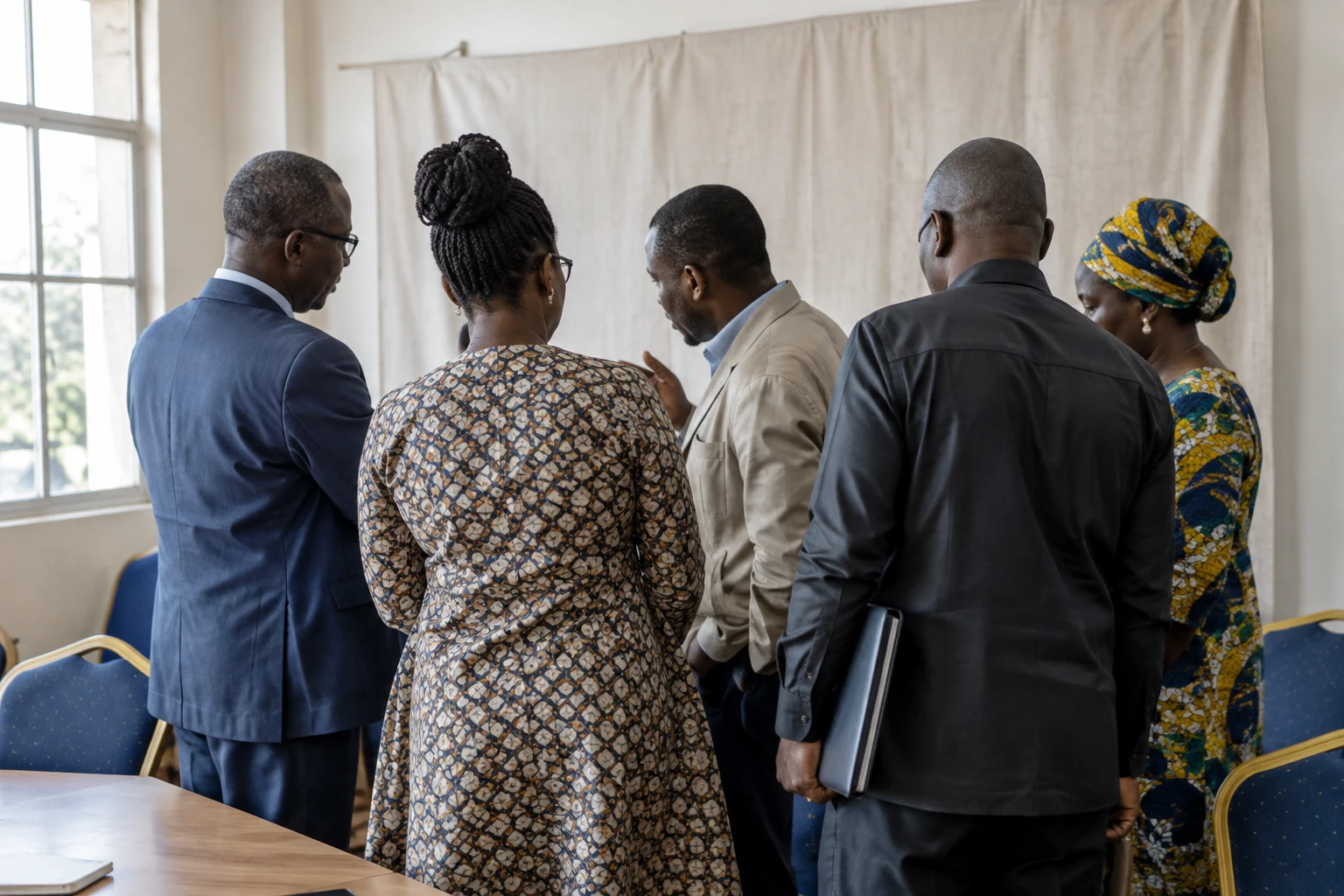
In Bissau, the issue goes beyond the fate of a research project: it concerns the protection of newborns, trust in vaccination and the right of national authorities to regulate studies conducted on their territory. After months of controversy, Guinea-Bissau refused to allow a Danish trial of the hepatitis B vaccine to go ahead. The researchers announced that the study had been cancelled.
A contested protocol, then a revised one
The project, led by the Bandim Health Project with the University of Southern Denmark, was to include 14,000 newborns. Under the original version, half would receive the hepatitis B vaccine at birth. The other half would receive it at six weeks, in line with the schedule then used in the country.
The researchers did not present the study as a test of the hepatitis B vaccine’s efficacy. They wanted to examine possible broader effects on health, including mortality and development. The announced funding included $1.6 million from the US Centers for Disease Control and Prevention (CDC). Private funding was also planned.
The central question concerned the risk of delaying a dose recognised as protective. In February 2026, the World Health Organization (WHO) said the original protocol raised scientific and ethical concerns. It noted that a dose given shortly after birth reduces mother-to-child transmission by 70 to 95%. An infection contracted at birth can become chronic and lead, years later, to cirrhosis or liver cancer.
The Bandim Health Project defended the relevance of the research and responded to criticism. The protocol was subsequently revised. According to the University of Southern Denmark, the Guinea-Bissau ethics committee approved the new version in July 2026. A university committee also issued a favourable opinion in September, before the dean institutionally authorised the project on 7 October.
Academic approval was not enough
This series of opinions did not, however, amount to permission to conduct the study in the country. The Danish university says approval from Guinea-Bissau’s authorities was still required. On 14 October, Health Minister Quinhin Nantote said his ministry had not authorised the trials under the terms reported publicly. On 21 October, Danish researcher Frederik Schaltz-Buchholzer announced that the study would not go ahead without government authorisation.
The ministry and the researchers did not always describe the situation in the same way. In January, the transitional government announced a suspension pending a technical and ethical review. Later, reports that the revised protocol had received local approval reignited the debate. The minister’s clarification in October therefore concerned not only the study’s content but also the procedure and the authority empowered to authorise it.
The government also took control of vaccine doses held at the research centre, which were seized during an intervention at the Bandim Health Project’s premises. The University of Southern Denmark says the trial never began: no participants were recruited and no vaccine was administered as part of the study.
Vaccinating newborns remains a public health priority
Guinea-Bissau currently administers the hepatitis B vaccine at six, 10 and 14 weeks, as part of the pentavalent vaccine. The country plans to add a birth dose to its national schedule by 2028. The WHO says more than 12% of Guinea-Bissau’s adults were living with chronic hepatitis B in 2022. Among children under five, the estimated prevalence in 2020 remained above the global target.
The schedule also reflects practical constraints: the availability of doses, the cold chain, delivery to health facilities and access to facility-based births. A dose administered within 24 hours requires the ability to reach children born both in hospitals and outside health centres quickly. The WHO has offered to support the country with logistics, healthcare worker training, antenatal screening and monitoring vaccination coverage.
The debate is therefore not simply a matter of setting research against vaccination. It raises questions about safeguards: who assesses the balance of risks and benefits, how parents give informed consent and what protections are provided for infants. The controversy has also highlighted the role of Guinea-Bissau’s researchers and national institutions in international scientific cooperation. A favourable opinion from an ethics committee does not replace authorisation from the host state.
Regional significance beyond Bissau
Guinea-Bissau is a member of ECOWAS, the Economic Community of West African States. The case is not a decision by that organisation, but it comes amid a broader debate about the governance of health research on the continent: international protocols must respect scientific standards, ethics and national procedures, without placing uncertainty on the most vulnerable populations.
For families, what happens next will depend above all on the effective introduction of the birth dose, announced for 2028. For the authorities, the challenge is to turn that deadline into real access, in cities and rural areas alike. For scientific and financial partners, the cancellation is a reminder that funding and academic approvals are not enough without clearly established government consent.
At this stage, the project has been cancelled and has not recruited any newborns. The public health question remains: how can protection against hepatitis B be accelerated while giving Guinea-Bissau’s institutions control over research decisions affecting their population?