Algeria
 Egypt
 Libya
 Morocco
 Sudan
 Tunisia
 Benin
 Burkina Faso
 Cabo Verde
 Côte d'Ivoire
 Guinea
 Guinea-Bissau
 Liberia
 Mali
 Mauritania
 Niger
 Nigeria
 Senegal
 Sierra Leone
 The Gambia
 Togo
 Cameroon
 Central African Republic
 Chad
 DR Congo
 Equatorial Guinea
 Gabon
 Republic of the Congo
 São Tomé and Príncipe
 Burundi
 Comoros
 Djibouti
 Eritrea
 Ethiopia
 Kenya
 Madagascar
 Malawi
 Mauritius
 Mozambique
 Rwanda
 Seychelles
 Somalia
 South Sudan
 Tanzania
 Uganda
 Angola
 Botswana
 Eswatini
 Lesotho
 Namibia
 South Africa
 Zambia
 Zimbabwe

In Accra, the budget battle is also being fought at ports and counters
In Ghana, the economic recovery is no longer measured solely by headline macroeconomic figures. It can also be seen in how the state regulates every border, tax and refund. This is where the Ghanaian government’s ability to avoid another budget shortfall is being tested in very concrete terms.
The political message in Accra is clear: recovery requires greater discipline, but also a more transparent administration. On 26 August 2026, John Dramani Mahama enacted ten major pieces of legislation, including three financial laws designed to tighten revenue collection and reduce leakages in public finances.
A regional framework that extends beyond Ghana
Ghana belongs to ECOWAS, the Economic Community of West African States, a bloc of fifteen countries where tax, customs and monetary rules directly influence trade and prices. When Accra changes its taxes or border management, the effects are felt across regional trade, particularly with Côte d’Ivoire, Togo and Nigeria.
This context matters all the more because the country is emerging from a period of severe pressure on its debt and public finances. In May 2026, the International Monetary Fund said the programme supported by the ECF had already delivered “substantial stabilization gains”, with inflation falling, reserves rebuilt and the debt ratio declining significantly. The institution also stressed that risks remained high, particularly from state-owned enterprises and quasi-fiscal activities.
Against this backdrop, tax reform is not simply a technical exercise. It forms part of a broader effort to restore the state’s credibility, reassure lenders and stabilise the real economy, at a time when households and businesses need predictability.
Three laws to close longstanding loopholes
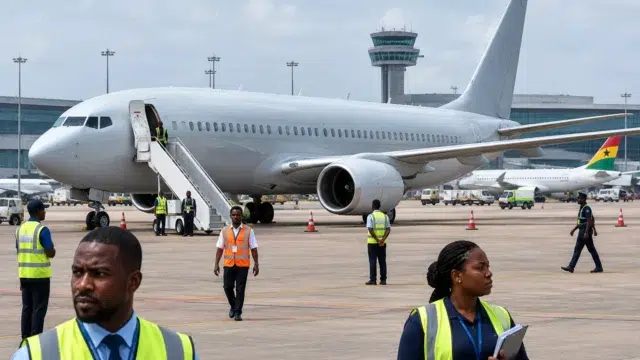
The first measure, the Customs Act, 2026, brings together in a single law all the customs rules that had previously been scattered across different texts. The presidency’s argument is simple: a fragmented body of rules creates ambiguity, delays and revenue losses. The new law is therefore intended to simplify customs administration and close loopholes that weakened revenue collection.
The second measure, the Energy Sector Levies Amendment Act, 2026, targets abuses linked to fuel oil exemptions. According to the presidency, some factories and maritime operators took advantage of refunds that were difficult to monitor. From now on, taxes must be paid in advance and refunds supported by verifiable evidence. The government aims to curb circumvention that was weighing on energy revenues.
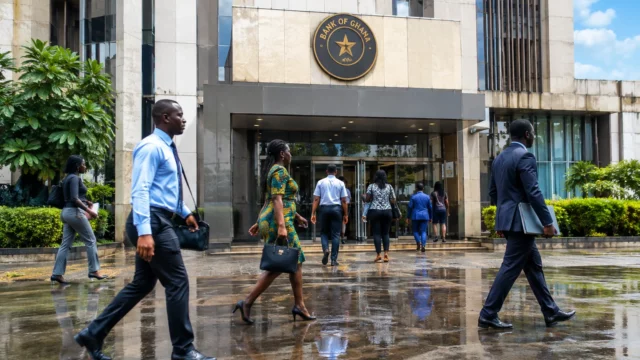
The third measure, the Value Added Tax (VAT) Amendment Act, 2026, adjusts how VAT operates. Among other provisions, it exempts the share of gold production that large mining companies transfer to the Bank of Ghana, when that share reaches 30% of their output. The government presents the mechanism as support for monetary stability, linked to its strategy of building reserves and managing foreign-currency flows.
These three laws do not stand alone. They add to a package of tax and budget reforms launched since 2025, including the announced creation of an independent fiscal council, intended as a safeguard against excessive spending and poorly controlled budget decisions. The Finance Ministry has also referred to a debt ceiling of 45% of GDP by 2034.
What these measures mean in practice
The Ghanaian state faces a twofold challenge. On the one hand, it must increase revenue without stifling economic activity. On the other, it must prevent exemptions, refunds and scattered legislation from becoming open doors to revenue losses. The codification of customs rules responds to the need for clarity. The reform of energy levies seeks to reduce abuses. The revised VAT, meanwhile, is intended to align with the monetary stabilisation strategy pursued since relative calm returned to the foreign-exchange market.
The impact on businesses will vary. Formal operators able to document their transactions and comply with the new rules could gain greater visibility. By contrast, those that benefited from flexible interpretations, opaque channels or poorly justified refunds will find their room for manoeuvre shrinking. This is particularly true in the port, industrial and energy sectors, where flows are large and opportunities for circumvention can be considerable.
For households, the impact will depend on how this fiscal discipline translates into prices and public services. If collection improves without placing excessive new pressure on consumption, the government could consolidate the easing of macroeconomic pressures seen since 2025. The Finance Ministry has said public debt had fallen to around 45% of GDP and the cedi had appreciated in 2025, signals that helped restore confidence.
But the challenge is as much political as technical. A fiscal rule is only valuable if it is followed. The IMF has specifically stressed that debt sustainability depends on greater transparency, stronger governance of state-owned enterprises and tighter oversight of quasi-fiscal activities. In other words, Ghana can gain room for manoeuvre, but only if it maintains consistency between the reforms passed and their implementation in practice.
A continental impact to watch closely
Ghana’s case is of interest beyond Accra. Many African countries are now seeking to reconcile fiscal consolidation, social protection and support for growth. In this delicate balance, Ghana’s tax reforms offer a practical test case: simplify the rules, reduce poorly monitored exemptions and better manage public-sector risks.
Within ECOWAS, this trajectory also affects regional competitiveness. A more predictable tax environment in Ghana could strengthen its position in West African trade, attract more investment and better absorb external shocks. Conversely, any easing of vigilance over spending or revenue could quickly reopen vulnerabilities the country has already experienced.
What must now be watched is not just the enactment of the laws, but their effect on revenue, refunds, debt and market confidence. In the coming months, that is where the real strength of Ghana’s recovery will be determined.