Algeria
 Egypt
 Libya
 Morocco
 Sudan
 Tunisia
 Benin
 Burkina Faso
 Cabo Verde
 Côte d'Ivoire
 Ghana
 Guinea
 Guinea-Bissau
 Liberia
 Mali
 Mauritania
 Niger
 Nigeria
 Senegal
 Sierra Leone
 Togo
 Cameroon
 Central African Republic
 Chad
 DR Congo
 Equatorial Guinea
 Gabon
 Republic of the Congo
 São Tomé and Príncipe
 Burundi
 Comoros
 Djibouti
 Eritrea
 Ethiopia
 Kenya
 Madagascar
 Malawi
 Mauritius
 Mozambique
 Rwanda
 Seychelles
 Somalia
 South Sudan
 Tanzania
 Uganda
 Angola
 Botswana
 Eswatini
 Lesotho
 Namibia
 South Africa
 Zambia
 Zimbabwe
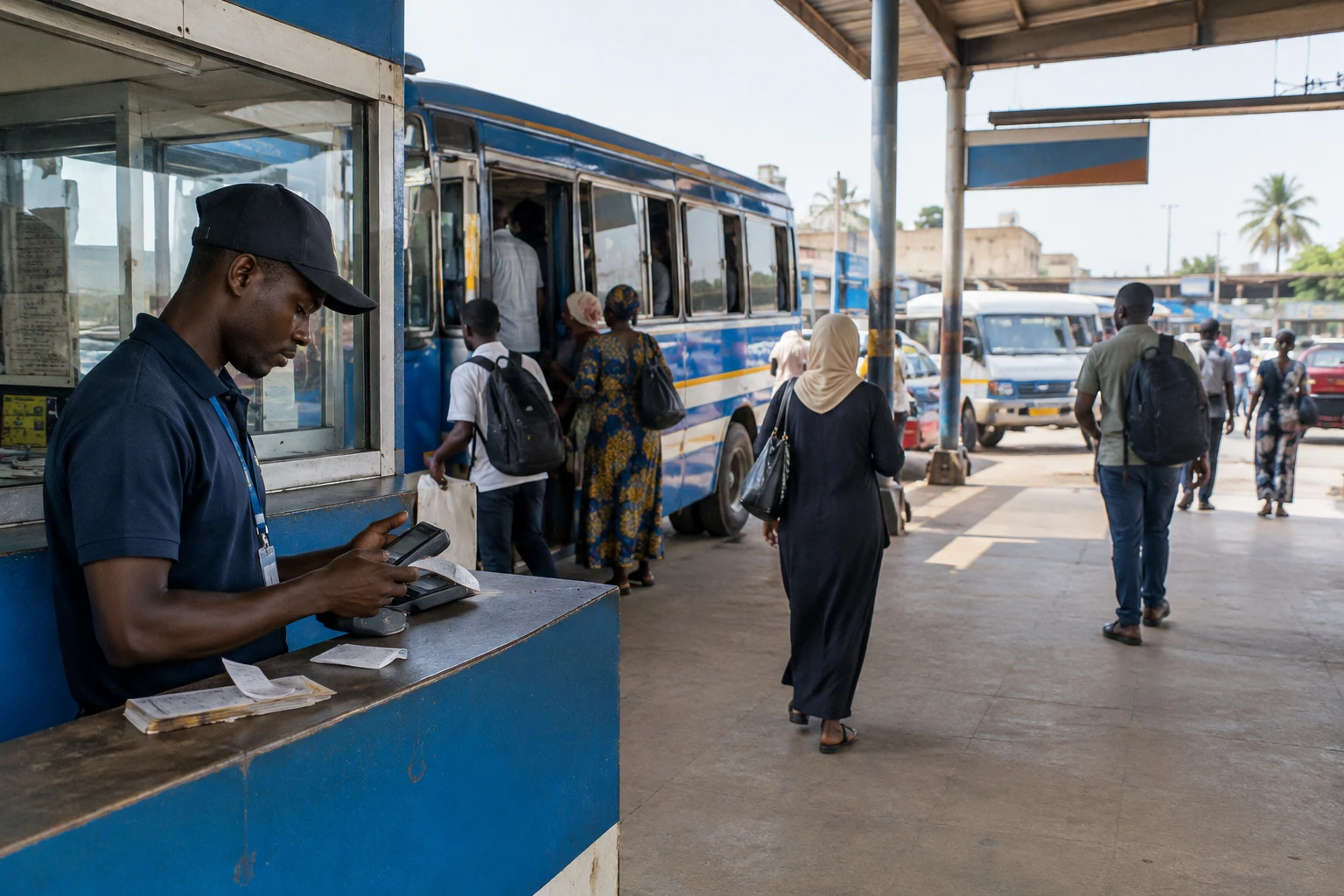
For Gambian authorities, gaining better insight into betting companies’ transactions could change how they monitor compliance with tax obligations. But the effectiveness of this oversight will depend as much on data reliability as on safeguards governing its collection and use.
Tax reform in a growing sector
In Banjul, the government is seeking to strengthen domestic revenue mobilisation. The Gambia Revenue Authority (GRA), the tax collection agency, already requires gaming operators to submit monthly returns within 15 days of the end of each month. A new digital tool is intended to complement this mechanism by giving the authorities more direct visibility over payments.
This development comes amid a regional trend in which West African administrations are seeking to better monitor digital activities and electronic payments. The Gambia is a member of the Economic Community of West African States (ECOWAS), which brings together 15 states and facilitates their economic co-operation. However, the announced system primarily concerns Gambian taxation: it is not a shared regional system.
The timing matters. The Gambian budget for 2026 provides for an increase from 40% to 50% in the tax on winnings from betting and gaming, according to available budget documents and reports. The GRA, for its part, lists a specific monthly return for betting activities, due 15 days after the end of the month. These obligations make the matching of transactions against returns particularly tangible.
Centralised payment monitoring
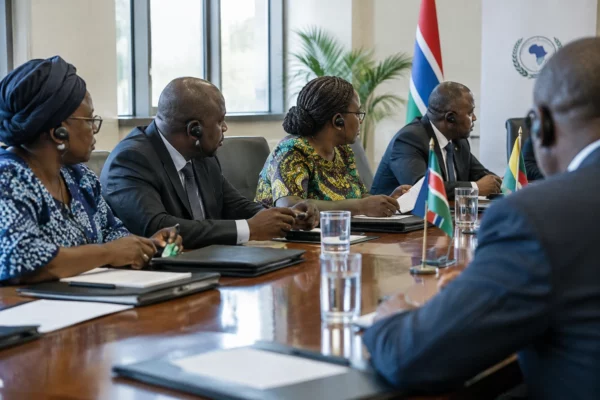
On 30 October 2026, the Gambian Ministry of Finance and Economic Affairs and the GRA signed a 10-year contract in Banjul with InTouch, a Senegalese fintech company. The agreement covers the establishment of a platform to monitor payments by lottery, betting and gaming companies. Two Senegalese and Gambian media outlets also reported the signing and the contract’s duration.
Selected following an international tender in which three bidders took part, the company is to deploy and operate infrastructure that records transactions. The authorities will then be able to compare the flows observed with the amounts declared by operators. Alerts and audit tools are intended to help the GRA identify discrepancies and, if necessary, request checks.
According to information published locally, the partnership follows a “build, operate, transfer” model: InTouch will set up and operate the system before transferring it to the authorities, in accordance with the terms set out in the contract. The financial terms of the agreement have not been made public. It is therefore impossible to assess its cost to the state or the revenue expected by the company.
Finance Minister Seedy K. M. Keita described the project as a “major reform” and said the whole government would be mobilised to implement it. The statement sets out a political ambition, but does not specify an operational launch date, a timetable for integrating operators or detailed rules on access to the data.
Impact will depend on implementation
For the GRA, the expected benefit is less reliance on companies’ own returns. Automated matching could make checks easier and help detect omissions. But it does not, by itself, guarantee higher revenue: that will depend on data quality, the follow-up of alerts and the administration’s ability to process cases.
Operators, meanwhile, will probably have to adapt to more structured reporting procedures. The project could make checks more systematic, but the exact requirements have not yet been publicly detailed. As for players, the contract concerns monitoring companies’ transactions and tax oversight. It does not, in itself, announce a new tax or a change to the rules on paying out winnings.
Governance will therefore be an issue as the system is rolled out. A platform that centralises financial flows will need to specify who can access the data, how long it is retained and how errors can be challenged. The public information reviewed does not yet detail these safeguards. This absence does not make it possible to conclude that they are not included in the contract, but it leaves questions open for operators and taxpayers.
For public finances, oversight of gaming is one avenue among others. The 2026 budget set expected revenue from the tax on winnings at 72.7 million dalasis, according to figures reported when it was presented. This forecast remains a budget estimate, not an amount already collected. Actual returns will depend in particular on companies’ compliance and the effective enforcement of the tax.
A national contract and a regional precedent to watch
Founded in Dakar in 2014, InTouch already works with administrations in several African countries, including Côte d’Ivoire, Cameroon, Gabon, Burkina Faso and Guinea-Bissau, according to information published about its regional presence. Its Gambian contract marks its entry into an English-speaking environment and illustrates the movement of technological solutions between African countries, from Senegal to The Gambia.
The agreement’s pan-African significance will depend less on its announcement than on measurable results. It will be necessary to see whether the platform becomes operational, whether operators are integrated into it and whether declared revenue changes without unnecessarily increasing compliance costs. For other ECOWAS states, the experience could provide a case study of a private contractor’s use in tax oversight. It is not yet a proven model or a joint regional decision.