Algeria
 Egypt
 Libya
 Morocco
 Sudan
 Tunisia
 Benin
 Burkina Faso
 Cabo Verde
 Côte d'Ivoire
 Ghana
 Guinea
 Guinea-Bissau
 Liberia
 Mali
 Mauritania
 Niger
 Nigeria
 Senegal
 Sierra Leone
 Togo
 Cameroon
 Central African Republic
 Chad
 DR Congo
 Equatorial Guinea
 Gabon
 Republic of the Congo
 São Tomé and Príncipe
 Burundi
 Comoros
 Djibouti
 Eritrea
 Ethiopia
 Kenya
 Madagascar
 Malawi
 Mauritius
 Mozambique
 Rwanda
 Seychelles
 Somalia
 South Sudan
 Tanzania
 Uganda
 Angola
 Botswana
 Eswatini
 Lesotho
 Namibia
 South Africa
 Zambia
 Zimbabwe
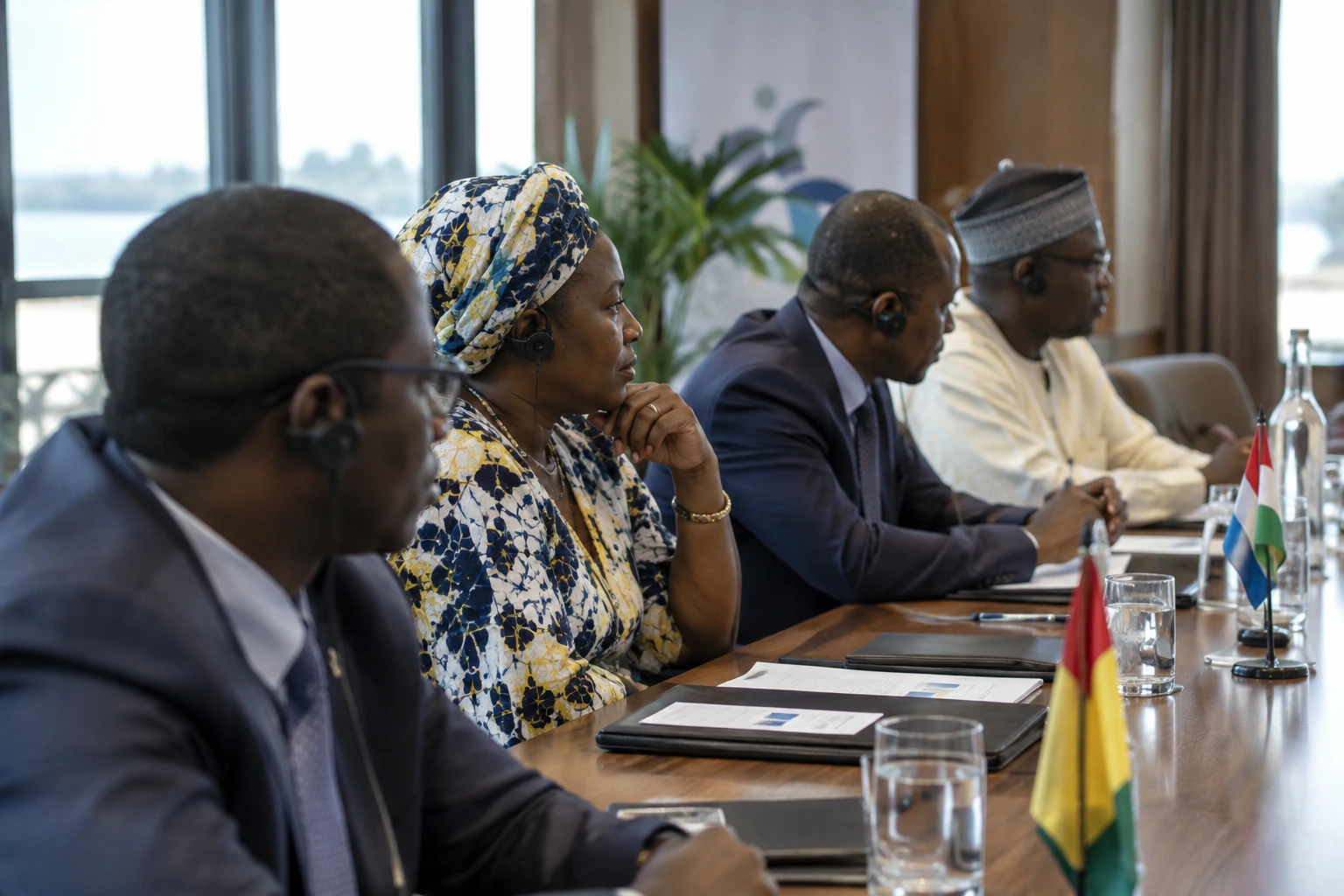
The anticipated contest between Ousainou Darboe and Adama Barrow is not just a clash between two figures in Gambian politics. It also brings back to the fore a question left unanswered since the transition that began in 2016: what rules should govern access to the presidency and the length of time in power?
As the 5 December 2026 election approaches, the opposition is seeking to turn its grassroots presence into an electoral alternative. But declaring a candidacy is not enough to guarantee a place on the ballot. In The Gambia, the Independent Electoral Commission must verify submissions and publish the list of approved candidates.
A political break becomes an electoral face-off
Ousainou Darboe, 78, leads the United Democratic Party (UDP), one of the main opposition parties. He has submitted his candidacy documents to the Independent Electoral Commission ahead of the presidential election. The commission confirms it has received his file, but formal approval remains a separate step. The Gambian daily Foroyaa reports that the commission’s chairman said the required documents had been submitted. The Gambia Journal notes, however, that the official list of approved candidates has not yet been published.
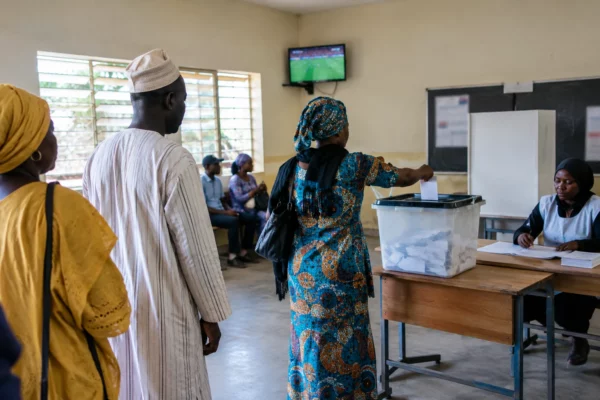
The electoral timetable sets nominations for 3 to 14 November. On 2 November, the commission said 27 prospective candidates had collected forms, though this did not mean all of them would run. The vote is scheduled for 5 December. These steps are being followed by voters in Banjul as well as in the interior, where access to information and political mobilisation can take different forms.
Darboe’s political journey is bound up with that of the incumbent president. Imprisoned under Yahya Jammeh, he backed Adama Barrow in the 2016 presidential election, which ended Jammeh’s 22 years in power. After the victory, Darboe joined the government as foreign minister and later became vice-president. Their relationship deteriorated and the two men parted ways in 2019. They now find themselves in opposing camps: Darboe’s UDP and Barrow’s National People’s Party (NPP).
Third term at the heart of the debate
Adama Barrow is seeking a third term. His candidacy falls within a constitutional framework that sets no retroactive limit on the number of presidential terms. A draft new constitution, which would have, among other things, redefined institutional rules, failed to secure the necessary parliamentary support in 2020. Another attempt at reform also failed in 2025, according to the Gambian election-monitoring organisation Gambia Participates.
This situation is fuelling a concrete political debate. Barrow’s supporters say the constitution in force allows voters to decide. His critics point out that he had previously backed term limits and constitutional reform. The campaign will therefore have to address not only policies but also the credibility of commitments on institutions and checks and balances.
Darboe’s candidacy alone does not guarantee a close contest. The 2021 election showed that the opposition could win significant support, but Barrow was re-elected. The UDP will have to win over voters beyond its traditional base and put forward a platform that can appeal to young voters, women, informal-sector workers and rural residents. Everyday concerns — jobs, prices, public services and trust in the administration — will matter as much as alliances between political leaders.
A test for institutions and ECOWAS
The Independent Electoral Commission is now under scrutiny over the transparency of candidate selection, publication of the register and conduct of the election. Its chairman said that voter-register revision procedures had removed 165 names after 1,694 objections were examined. In that statement, the commission did not provide a sufficiently clear final total to confirm the figure of 1.1 million voters cited in some reports. That number therefore cannot be presented here as established.
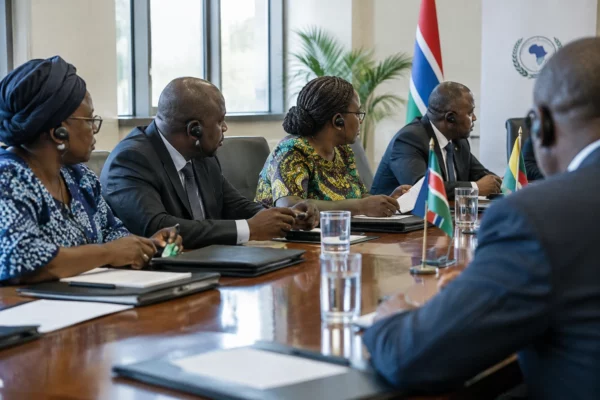
The contest also has a regional dimension. The Gambia is a member of the Economic Community of West African States (ECOWAS), which played a decisive role during the 2016 crisis, when Jammeh disputed his defeat. The regional organisation and the African Union have been monitoring political transitions in West Africa, but the first priority remains domestic: to ensure a credible process and allow the results to be scrutinised through Gambian institutions.
For Gambians, the presidential election will decide between political platforms, but it will also measure the strength of the democratic transition launched after 2016. The next milestones are the close of nominations, publication of the final list and then the start of the campaign, scheduled for 16 November. The anticipated face-off between Barrow and Darboe will not be official until the commission has approved their candidacies.