
 Algeria
 Egypt
 Libya
 Morocco
 Sudan
 Tunisia
 Benin
 Burkina Faso
 Cabo Verde
 Côte d'Ivoire
 Ghana
 Guinea
 Guinea-Bissau
 Liberia
 Mali
 Mauritania
 Niger
 Nigeria
 Senegal
 Sierra Leone
 The Gambia
 Togo
 Cameroon
 Central African Republic
 Chad
 DR Congo
 Equatorial Guinea
 Gabon
 Republic of the Congo
 São Tomé and Príncipe
 Burundi
 Comoros
 Djibouti
 Eritrea
 Kenya
 Madagascar
 Malawi
 Mauritius
 Mozambique
 Rwanda
 Seychelles
 Somalia
 South Sudan
 Tanzania
 Uganda
 Angola
 Botswana
 Eswatini
 Lesotho
 Namibia
 South Africa
 Zambia
 Zimbabwe
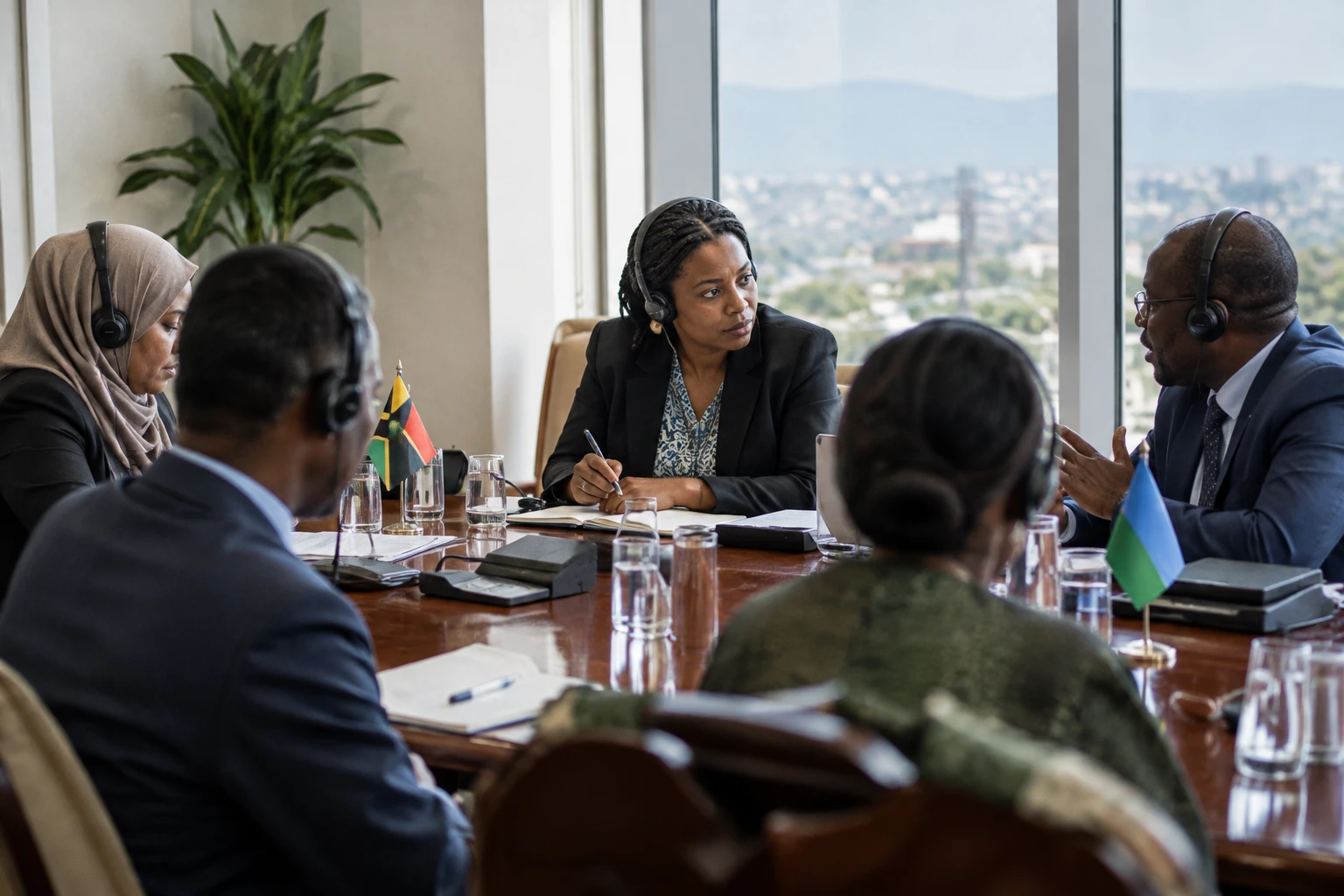
For a displaced family in Ethiopia, fleeing the fighting does not guarantee finding shelter. In the north of the country, clashes are resuming as hundreds of thousands of people are already living away from home and access to essential services remains fragile. The issue is therefore not only new displacement: it is also whether aid can be maintained for people who have already been displaced.
A fragile truce, needs mounting
Northern Ethiopia is still facing the consequences of the 2020–2022 war between the federal government and the Tigray People’s Liberation Front (TPLF). The agreement signed in Pretoria in November 2022 was intended to end the fighting and allow aid to be delivered. But it did not resolve the political and territorial disputes fuelling tensions.
Since the end of September 2026, new clashes have been reported in the north. The United Nations secretary-general expressed concern on 23 September over the intensification of fighting in Tigray and neighbouring regions. The UN has also reported new displacement, but does not have verified figures for several affected areas.
The renewed hostilities come as the country is already facing several crises. Violence in the Amhara and Oromia regions, climate shocks and epidemics are complicating humanitarian work. Ethiopia is also hosting more than one million refugees, including people from South Sudan, Somalia, Eritrea and Sudan.
The national picture of needs remains difficult to establish. The European Commission says no new consolidated official estimate has been published for 2025 and 2026, because the authorities and humanitarian actors have not agreed on the needs analysis. The latest official figure cited by the European institution, dating from 2024, put the number of people needing humanitarian assistance at 21.4 million.
Blocked roads disrupt operations
In conflict zones, aid depends as much on available supplies as on the ability to deliver them. Insecurity, closed roads and interrupted communications can prevent teams from reaching villages and camps. On 6 October, the United Nations Department of Safety and Security said that 19 humanitarian workers caught up in fighting in Tigray had had to travel by road to Gondar.
The UN humanitarian coordinator in Ethiopia has also reported incidents affecting aid workers, vehicles and the premises of aid organisations. Between 2025 and 2026, at least ten humanitarian vehicles were reportedly seized by armed groups; only two had been recovered at the time of the statement. These disruptions reduce response capacity and expose staff to risk.
People already displaced are particularly vulnerable. In Tigray, more than 500,000 displaced people are still thought to depend on aid, according to estimates cited by the European Commission. UNICEF describes overcrowded sites where access to water, healthcare, nutrition and education remains limited. Further displacement can therefore leave a family cut off from its livelihood, relatives and the services on which it depends.
The consequences vary between areas and households. Urban residents may face supply disruptions and the closure of services; in rural areas, fighting and impassable roads further isolate communities. Children, pregnant women, older people and people with disabilities face specific obstacles in accessing healthcare, water or protection.
Funding under pressure
The renewed fighting also comes after several cuts to international humanitarian funding. The European Commission says these cuts are affecting response capacity in the Horn of Africa. For Ethiopia, it has announced €61 million in humanitarian aid for 2026, intended in particular for displaced people, refugees and populations affected by conflict or climate shocks.
This allocation does not mean that every community can be reached. UNICEF estimates that it needs to mobilise $401.5 million in 2026 to reach about 8.9 million people, including 6.3 million children. The agency plans to support healthcare, the treatment of malnutrition, access to water and the resumption of learning. These goals illustrate the scale of need, but do not represent a tally of funds actually received.
Local organisations and the authorities play an essential role in identifying needs and maintaining services. However, when funding falls, difficult choices become harder: operations focus on the most immediate emergencies, while reconstruction, support for displaced people and the return to self-reliance risk being delayed. For families, irregular aid can mean fewer meals, postponed treatment or interrupted schooling.
An issue for the Horn of Africa
The crisis extends beyond Ethiopia’s borders. The Intergovernmental Authority on Development (IGAD), a regional organisation for the Horn of Africa, is concerned by cross-border displacement and the risk of tensions spreading. Kenya has recently received Ethiopian civilians fleeing violence in the border area of Moyale, according to reports carried by the UN and media outlets. The arrivals add pressure on services and host communities.
In Addis Ababa, the headquarters of the African Union, stability in northern Ethiopia also has continental significance. The Pretoria agreement had demonstrated the role African mediation and regional negotiations can play. But its fragility is a reminder that a ceasefire is not enough to guarantee civilian safety or sustained access to aid.
The next indicators to watch are concrete: the reopening of roads, the restoration of communications, the safety of humanitarian teams and the publication of verifiable data on new displacement. The UN is calling for safe and unhindered access to affected populations. As long as access remains uncertain, displaced people in Ethiopia risk facing the consequences of past conflicts alongside those of current fighting.
The UN statement on the situation in northern Ethiopia ; the UN’s information on the evacuation of humanitarian workers ; the humanitarian coordinator’s update on operational disruptions ; the European Commission’s data on needs and funding ; UNICEF’s 2026 humanitarian appeal ; the report on risks to civilians and health services.



