Algeria
 Egypt
 Libya
 Morocco
 Sudan
 Tunisia
 Benin
 Burkina Faso
 Cabo Verde
 Côte d'Ivoire
 Ghana
 Guinea
 Guinea-Bissau
 Liberia
 Mali
 Mauritania
 Niger
 Nigeria
 Senegal
 Sierra Leone
 The Gambia
 Togo
 Cameroon
 Central African Republic
 Chad
 DR Congo
 Equatorial Guinea
 Gabon
 Republic of the Congo
 São Tomé and Príncipe
 Burundi
 Comoros
 Djibouti
 Ethiopia
 Kenya
 Madagascar
 Malawi
 Mauritius
 Mozambique
 Rwanda
 Seychelles
 Somalia
 South Sudan
 Tanzania
 Uganda
 Angola
 Botswana
 Eswatini
 Lesotho
 Namibia
 South Africa
 Zambia
 Zimbabwe
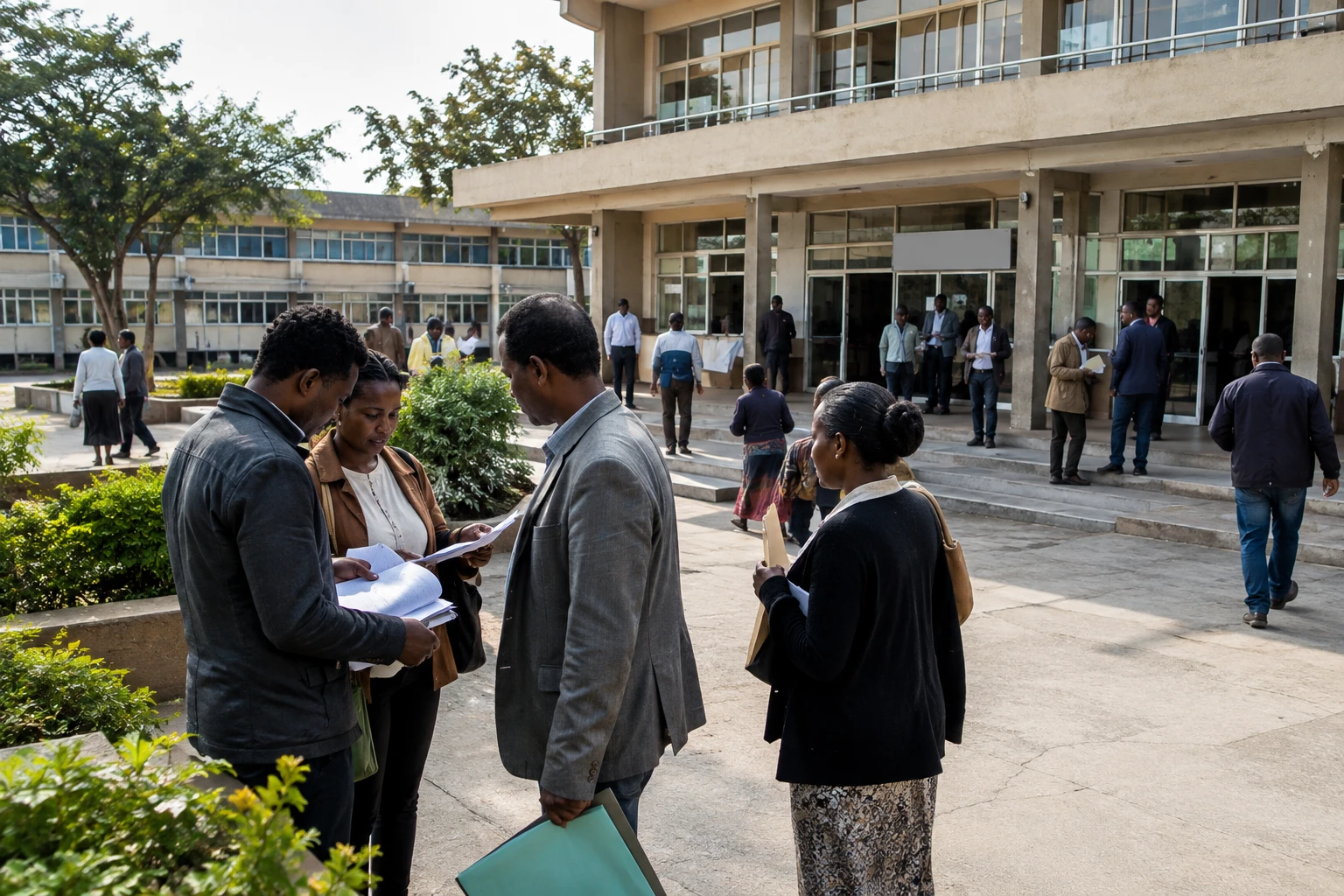
In northern Ethiopia, control of a town does not necessarily mean the guns have fallen silent. Federal forces and their allies are advancing in Tigray, while the departure of Tigrayan fighters is reshaping the balance of power. But this advance comes in a region where a recent peace agreement has not resolved political and security disputes.
An advance amid fragile peace
Tigray, a region in northern Ethiopia bordering Eritrea, was the scene of a war between the federal government and the Tigray People’s Liberation Front (TPLF) from 2020 to 2022. The agreement signed in Pretoria in November 2022 ended the main fighting, but did not resolve all tensions between Addis Ababa and Tigrayan leaders.
The resumption of clashes in late September further weakened the agreement. African Union authorities had called for de-escalation from the first days of the crisis. In this region, front lines can shift quickly, but political trust and the protection of civilians are not restored at the same pace.
The stakes go beyond relations between the federal government and the TPLF. Ethiopia is a major player in the Horn of Africa and hosts the African Union headquarters in Addis Ababa. Any escalation near the Eritrean border therefore risks affecting a region already marked by rivalries and tensions between states.
Adwa changes hands, Axum still unconfirmed
On Sunday 11 October, Ethiopian federal forces, accompanied by fighters from the Tigray Peace Force, entered Adwa. Residents quoted by several media outlets said the TPLF had withdrawn before their arrival and that the town had been taken without a fight. AFP and Al Jazeera reported these accounts.
On Monday 12 October, images showing military personnel near Axum’s famous monument circulated on social media. They fuelled claims that federal forces had entered the city. However, the available information does not allow all the details of this takeover to be independently confirmed. The reported advance into Adwa should therefore be distinguished from the less firmly established accounts concerning Axum.
A monitoring report by conflict documentation organisation ACLED also said that Adwa had been taken by Ethiopian national forces and their allies. This corroborates the information about the town, but is not enough to authenticate every image or account circulating about Axum.
The material provided also refers to the arrest of five senior TPLF officials near Enticho, including an alleged deputy commander. As this has not been confirmed by sufficiently robust independent sources, it cannot be presented as established fact. In a conflict, claims of surrender or detention can also serve the interests of the parties.
Control on the ground does not settle the political question
The federal advance is part of a series of setbacks for the TPLF. In late September, federal forces and their allies announced that they had retaken Alamata, in southern Tigray. Pro-government fighters then entered Mekelle, the regional capital, following the announced withdrawal of Tigrayan forces. The successive loss of positions is reducing the TPLF’s military room for manoeuvre.
However, this alone does not mean that the movement has lost all political influence. The TPLF governed the region for many years and remains central to Tigray’s balance of power. A withdrawal may reflect military weakness, but it may also be a decision to preserve fighters or avoid urban combat. The leaders’ intentions cannot be established solely from changes in territorial control.
The Tigray Peace Force, an ally of the federal government, plays an important role in this advance. Its presence shows that the conflict is not simply a confrontation between Addis Ababa and all Tigrayans: Tigrayan actors are aligned with different sides. This fragmentation may facilitate a military advance while complicating the search for a widely recognised regional authority.
For residents, a change of flag or armed presence does not guarantee an immediate return to normality. Displacement, public services, transport and access to healthcare depend on security on the roads and the ability of administrations to function. The available information on the towns’ capture does not, by itself, provide a reliable picture of the situation facing civilians.
A border that heightens regional risks
Adwa and Axum lie in northern Tigray, not far from the Eritrean border. This proximity gives military movements particular significance. Recent reports cite Eritrean forces in localities in northern Ethiopia, but these allegations and their scope remain disputed or difficult to verify independently. Addis Ababa and Asmara accuse each other, while concerns are growing that the conflict could spread.
The precedent of the 2020–2022 war is a reminder that fighting in Tigray can involve several forces and extend beyond the bounds of a local confrontation. For IGAD, the East African regional organisation tasked, among other things, with promoting cooperation and mediation, a fresh escalation would test stabilisation efforts in the Horn of Africa. The African Union, which supported the Pretoria peace process, is also directly concerned.
What happens next will depend as much on security on the ground as on the parties’ political choices. It will be important to establish whether control of Adwa is consolidated, whether reports about Axum are confirmed and whether channels for dialogue remain open. Otherwise, the federal advance could shift the balance of power without bringing Ethiopia closer to a lasting political settlement.