Algeria
 Libya
 Morocco
 Sudan
 Tunisia
 Benin
 Burkina Faso
 Cabo Verde
 Côte d'Ivoire
 Ghana
 Guinea
 Guinea-Bissau
 Liberia
 Mali
 Mauritania
 Niger
 Nigeria
 Senegal
 Sierra Leone
 The Gambia
 Togo
 Cameroon
 Central African Republic
 Chad
 DR Congo
 Equatorial Guinea
 Gabon
 Republic of the Congo
 São Tomé and Príncipe
 Burundi
 Comoros
 Djibouti
 Eritrea
 Ethiopia
 Kenya
 Madagascar
 Malawi
 Mauritius
 Mozambique
 Rwanda
 Seychelles
 Somalia
 South Sudan
 Tanzania
 Uganda
 Angola
 Botswana
 Eswatini
 Lesotho
 Namibia
 South Africa
 Zambia
 Zimbabwe
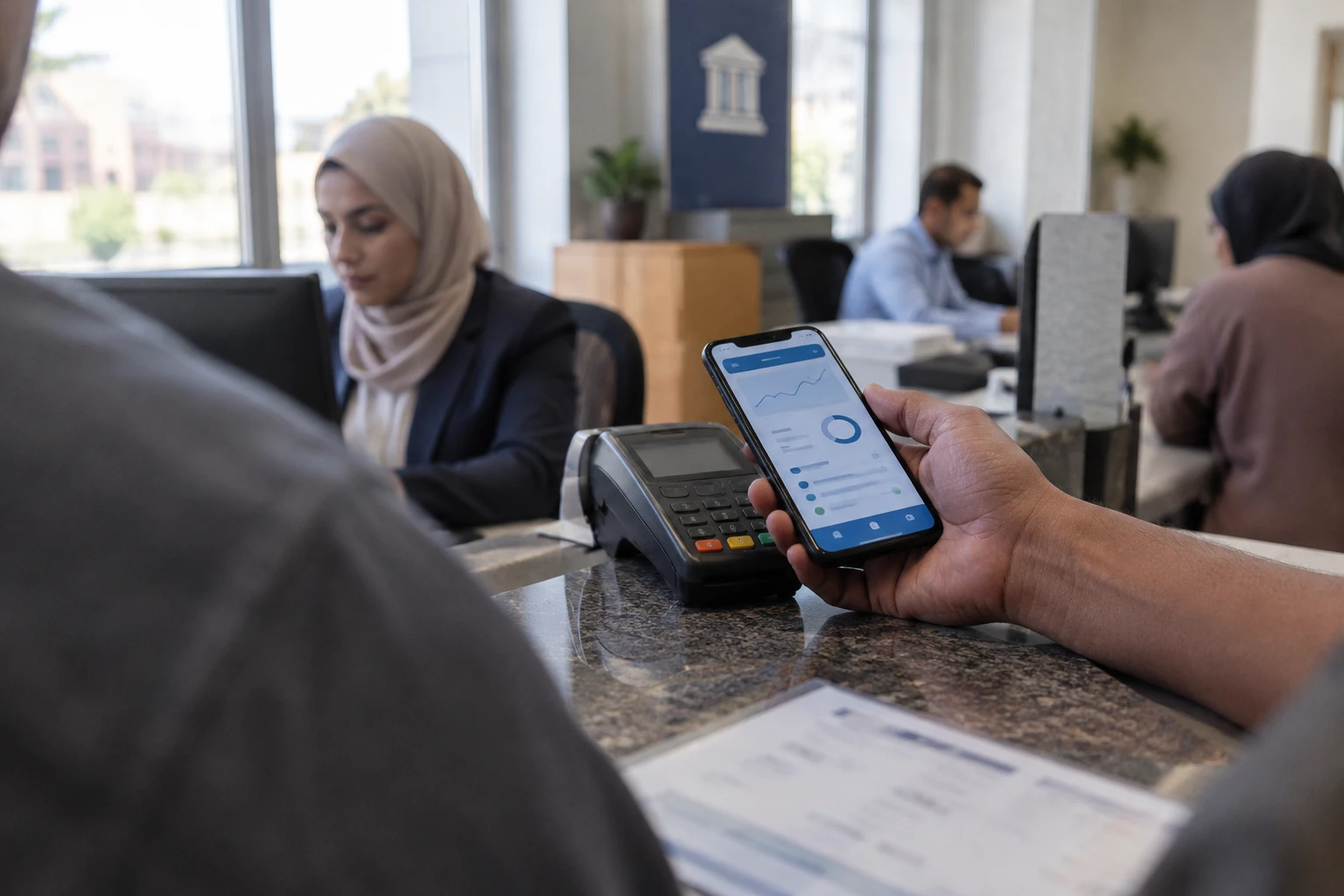
When the Egyptian state opens a major bank to investors, the stakes go beyond the amount raised: they also concern control of credit, the role of the private sector and how to reform an economy in which state-owned companies carry considerable weight.
On 2 November, shares in Banque du Caire began trading on the Egyptian Exchange. The operation provides liquidity to its state-owned shareholder, Banque Misr, but does not mean the state is leaving the banking sector. It retains a majority stake.
A partial opening, not a full privatisation
The sale comprises 6.8625 billion shares, or 45% of Banque du Caire’s capital. At 5.30 Egyptian pounds per share, the price represents 36.37 billion pounds, or about $658 million, according to the offering documents. This puts the bank’s total valuation at around 80.83 billion pounds.
These figures are corroborated by Ahram Online and Arab Finance. Banque Misr retains 55% and therefore control of the institution. The sale involves existing shares, rather than a capital increase intended to fund the bank directly.
Demand exceeded the number of shares on offer. According to the chairman of the Egyptian Exchange, quoted by Ahram Online, more than $500 million in funds from abroad joined the operation. This figure indicates the interest generated by the offer, but is not enough to measure its long-term economic impact.
The European Bank for Reconstruction and Development (EBRD) announced an investment of $100 million, equivalent to a 6.9% stake. The International Finance Corporation (IFC), a member of the World Bank Group, also invested $100 million, according to the EBRD. Their entry brings institutional investors into the shareholder base, while linking their presence to expectations of improved governance and modernisation.
The divestment programme and Egypt’s realities
The listing is part of the Egyptian government’s policy of expanding the role of private investors and selling stakes in state-owned companies. This policy is among the commitments associated with the International Monetary Fund’s (IMF) financing programme. It also addresses a domestic question: how can the state finance itself and investment without maintaining a dominant public presence in so many sectors?
The timetable for sales has been subject to delays. Banque du Caire’s case was discussed for years before the offer came to fruition. In June 2026, the authorities announced preliminary stock market listings for four state-owned companies, with transactions planned before May 2027. Implementation, more than announcements of further sales, will therefore be an important indicator of the programme’s continuity.
Prime Minister Moustafa Madbouly presented the listing as proof that the government intends to continue with divestments despite regional tensions. The bank’s chief executive, Hussein Abaza, also highlighted the length of the process, which, according to reported remarks, was disrupted by the Covid-19 pandemic and the wars in Ukraine and Gaza. These comments shed light on the timetable, but do not replace an assessment of the operation’s concrete effects.
For the state, selling 45% raises revenue and reduces its stake without relinquishing control. For investors, the listing provides access to a major Egyptian bank and brings its results and governance under greater market scrutiny. For customers and businesses, the effects will depend on future decisions: credit strategy, service quality, digital investment and funding for small businesses.
A test for the market and the region
Founded in 1952, Banque du Caire is one of the country’s major state-owned banks. Its stock market presence could broaden Egypt’s market by giving local and foreign investors a new investment opportunity. The participation of the EBRD and the IFC could also encourage other investors, although it does not in itself guarantee that future transactions will attract the same level of demand.
Regionally, Egypt is an important country in North Africa and participates in the Common Market for Eastern and Southern Africa (COMESA), a framework for trade co-operation among African countries. The listing does not directly change regional rules. It is nevertheless being watched at a time when governments are seeking financing, investment and better use of their financial markets.
The central question remains one of balance: opening up the capital can strengthen transparency and diversify funding, but the state remains the majority shareholder. The bank’s future results and credit policy, along with the announcement of further transactions, will help determine whether the sale genuinely changes its management or is mainly a one-off source of revenue.
Trading that began on 2 November therefore marks a milestone, not the completion of reform. For Egyptians, the impact will not be measured solely by the share price or the amount raised. It will also depend on the bank’s ability to finance households and businesses, and on the authorities’ capacity to deliver on announced divestment commitments over time.