Algeria
 Egypt
 Libya
 Morocco
 Sudan
 Tunisia
 Benin
 Burkina Faso
 Cabo Verde
 Côte d'Ivoire
 Ghana
 Guinea
 Guinea-Bissau
 Liberia
 Mali
 Mauritania
 Niger
 Nigeria
 Senegal
 Sierra Leone
 The Gambia
 Togo
 Cameroon
 Central African Republic
 Chad
 DR Congo
 Equatorial Guinea
 Gabon
 Republic of the Congo
 São Tomé and Príncipe
 Burundi
 Comoros
 Djibouti
 Eritrea
 Ethiopia
 Kenya
 Madagascar
 Malawi
 Mauritius
 Mozambique
 Rwanda
 Seychelles
 Somalia
 South Sudan
 Tanzania
 Uganda
 Angola
 Botswana
 Eswatini
 Lesotho
 Namibia
 Zambia
 Zimbabwe
A camp that reveals a wider crisis
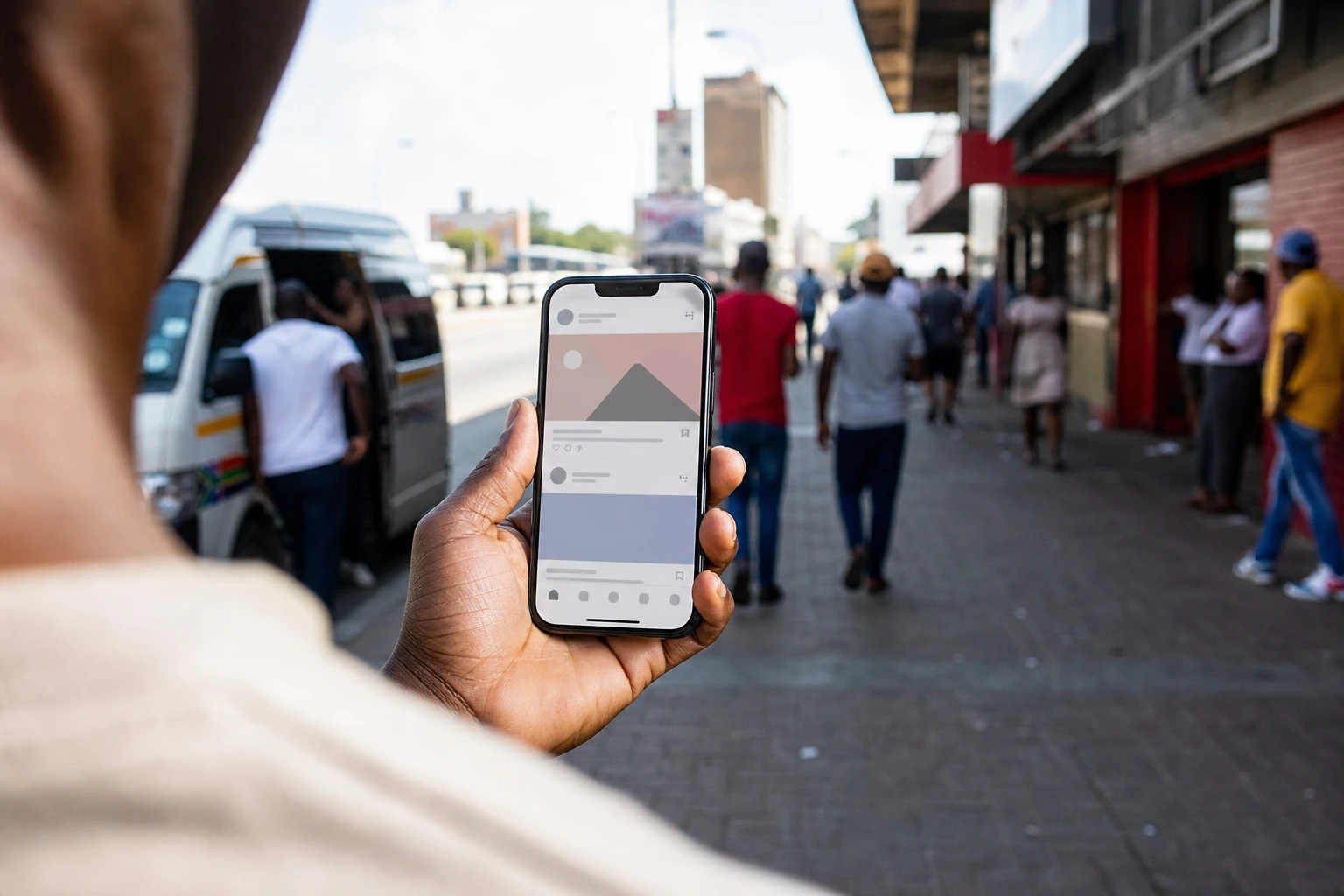
In Durban, a simple row of tents says something bigger than the conflict of the day. For several months, refugees and asylum seekers have been living near the local Home Affairs office after being displaced by tensions and threats in the city. On Thursday 4 September 2026, a new confrontation broke out on Che Guevara Road, in Umbilo, when activists from the March and March movement sought to stage a “clean-up” targeting these documented foreigners. Police intervened with stun grenades, tear gas and rubber bullets.
This is not an isolated case. It is part of a series of anti-immigration marches that have swept across South Africa since the end of the first half of 2026. In Durban and other cities, March and March has announced weekly mobilisations and called for tougher migration policies. Meanwhile, those targeted say they are seeking above all the state’s protection, after evictions, intimidation and forced displacement.
Durban, a flashpoint for a migration policy under pressure
In South Africa, migration is addressed within a specific institutional framework. The Department of Home Affairs administers refugee reception offices, including the one in Durban, one of the country’s five Refugee Reception Offices. The South African government has also reiterated that it does not intend to create refugee camps, even temporary ones, and that it favours checking cases, returning people to their neighbourhoods of origin or voluntary repatriation for those who wish to leave.
This official position runs up against urban realities. According to the United Nations High Commissioner for Refugees, South Africa hosted more than 167,000 refugees and asylum seekers in 2025, most of them living in cities. The same agency notes that protection remains fragile amid xenophobia, disinformation and socio-economic pressure. In other words, the problem is not only one of security. It is also administrative, social and political.
What happened on 4 September
According to information gathered in Durban, clashes broke out between March and March activists and foreigners who had been camped for about three months outside the refugee reception centre. Several people were injured and at least five were taken to hospital, while three people were arrested. The movement says it wants immigration law enforced and is calling for people without papers to leave. The refugees at the site, for their part, say they do not refuse to have their cases examined, but are calling for temporary accommodation and effective protection.
The local context matters. The eThekwini municipality, which administers Durban, has already explained that the people concerned were transported from the Diakonia Centre to the Home Affairs office for checks on their status. It has also acknowledged tensions over the prolonged occupation of public space. In June, the city even announced an enhanced security response, in coordination with the South African Police Service, to contain the risk of unrest around these gatherings.
Why this case reaches beyond Durban
This case says something about South Africa’s current trajectory. On the one hand, part of the population is expressing genuine exasperation over unemployment, crime and pressure on public services. On the other, refugees and asylum seekers are easy targets in a debate where irregular migration, asylum and crime are too often conflated. The consequences are tangible: families are living outdoors, businesses are closing earlier, police are being deployed, and trust between communities is eroding.
The South African government is trying to uphold public order without denying the right to protest. Police have also emphasised that the Constitution protects the right to march, provided the law and the rights of others are respected. But the issue goes beyond the conduct of marches. It concerns Pretoria’s ability to process asylum applications quickly, enforce migration rules without stigmatising people, and prevent administrative sites from becoming places where people are exposed for prolonged periods.
At regional level, the episode resonates across Southern Africa, where SADC, the Southern African Development Community, has no strong common response to forced displacement and the urban integration of refugees. It also points to a broader reality across the continent: African migration is managed first and foremost in cities, in contact with local administrations, police and neighbourhoods, far more than in national speeches. Durban will remain a focal point in the weeks ahead. The next marches announced by March and March, the response from the Department of Home Affairs and the municipality’s stance will show whether this crisis remains contained or becomes entrenched.