Algeria
 Egypt
 Libya
 Morocco
 Sudan
 Tunisia
 Benin
 Burkina Faso
 Cabo Verde
 Côte d'Ivoire
 Ghana
 Guinea
 Guinea-Bissau
 Liberia
 Mali
 Mauritania
 Niger
 Nigeria
 Senegal
 Sierra Leone
 The Gambia
 Togo
 Cameroon
 Central African Republic
 Chad
 DR Congo
 Equatorial Guinea
 Gabon
 Republic of the Congo
 São Tomé and Príncipe
 Burundi
 Comoros
 Djibouti
 Eritrea
 Ethiopia
 Kenya
 Madagascar
 Malawi
 Mauritius
 Mozambique
 Rwanda
 Seychelles
 Somalia
 South Sudan
 Tanzania
 Uganda
 Angola
 Botswana
 Eswatini
 Lesotho
 Namibia
 Zambia
 Zimbabwe
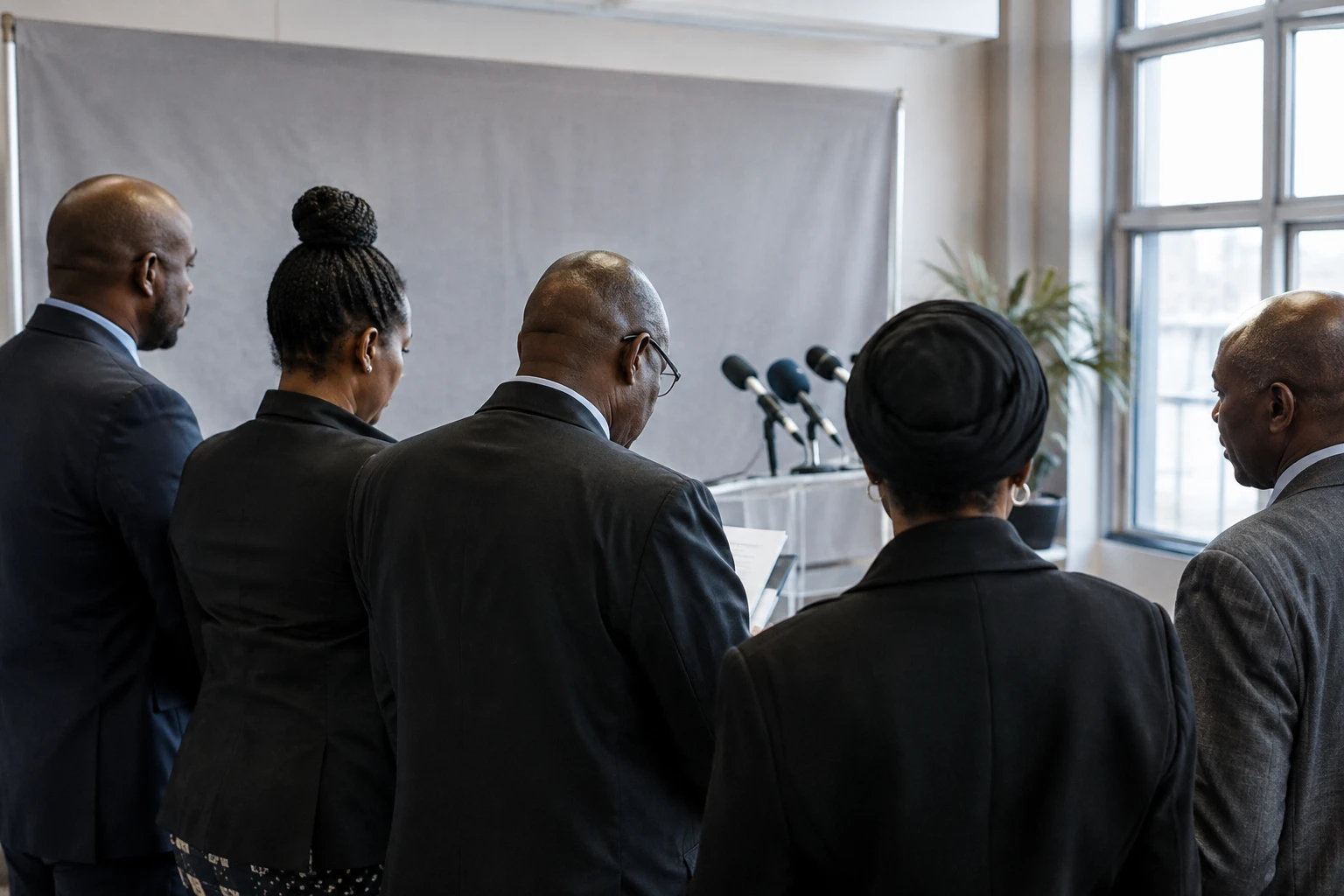
A murder investigation has been opened in Durban after a group assault amid tensions over immigration. The victim’s identity and the motive remain unknown. In a city where recent protests have already alarmed residents and business owners, these unanswered questions make a swift, evidence-based response from the authorities essential.
An investigation in the heart of Durban
On Thursday 22 October 2026, a man described by police as a foreign national was killed in central Durban, in KwaZulu-Natal province. According to the first details released by provincial police, two men approached him at the roadside before a group of about 50 people beat him. He was pronounced dead at the scene. The authorities have not disclosed his nationality or identity. Provincial spokesperson Robert Netshiunda said the motive had not been established and that investigators were pursuing several lines of inquiry. Police also urged the public not to share unverified information.
The following day, Friday 23 October, police announced that five men, aged between 19 and 46, had been detained for questioning. They could shed light on several separate cases involving foreign nationals, including an assault on Wednesday and Thursday’s murder. At this stage, their detention does not mean they have been charged or that their responsibility for the murder has been established. Investigations are continuing.
The distinction matters: the facts reported by police establish a violent death and an investigation, but not yet the motive or any definite link between the assault and the slogans or aims of a protest. The authorities must now identify the victim, gather witness accounts and determine individual responsibility. The size of the group described by police also underscores the need to protect people in public spaces without prejudging the outcome of the judicial process.
Protests revive tensions
The murder comes after several months of protests against irregular immigration in South Africa. The March and March movement has called, in particular, for strict enforcement of immigration rules and set a symbolic deadline in June, demanding that undocumented people leave the country. Protests have taken place in various cities. Some have been followed by violence, looting or arson, notably in Durban and in the township of Soweto, near Johannesburg. Migrant-rights groups have condemned intimidation and attacks targeting people because of their origins.
The debate has also focused on access to the asylum process. A Constitutional Court ruling removed procedural barriers that had prevented some people who entered without authorisation from applying. Protesters have challenged the change and called for more deportations. The government, meanwhile, must enforce immigration law while respecting constitutional safeguards and its obligations to protect refugees. A hearing on the implementation of the ruling is scheduled for 29 October 2026. It could clarify the state’s obligations, but will not by itself resolve tensions on the ground.
Social pressure does not justify violence
Anger over jobs and public services is rooted in a deep social crisis. Statistics South Africa put the official unemployment rate at 33.6% in the second quarter of 2026, up from 32.7% in the previous quarter. The agency estimates that 8.5 million people are unemployed under its statistical definition. These figures describe real pressure on South African households, but do not show that migrants are responsible for unemployment or deteriorating services. Difficulties accessing work, housing and public facilities have multiple causes, including inequality and weak job creation.
The consequences of violence extend beyond those directly targeted. In central Durban, traders and informal workers can lose a day’s income when protests block streets or businesses close for fear of looting. Foreign residents, including those with valid documents, may face threats or assaults. South African residents, too, are affected by disruption and need access to public services. Reducing these competing interests to an opposition between “locals” and “foreigners” obscures the responsibilities of employers, administrative failings and public policy choices.
South Africa has experienced serious episodes of xenophobic violence before, notably in 2008 and 2015. These precedents make it essential to take the risk of escalation seriously, without equating every protest with an attack or prematurely concluding that this case had a xenophobic motive. The authorities must protect the right to protest and act against criminal offences, whatever the identity of the perpetrators or victims.
A Southern African issue
People’s mobility and economic ties between neighbouring countries make migration a regional issue. South Africa is a member of the Southern African Development Community (SADC), which brings together Southern African states and encourages cooperation among them. Violence targeting nationals of other countries can weigh on diplomatic relations and alarm communities living on either side of borders. It can also disrupt trade and everyday travel in a closely connected region.
What happens next will unfold on two fronts: the criminal investigation in Durban and the authorities’ ability to enforce immigration rules without exposing people to collective violence. The court hearing on 29 October will indicate how institutions are responding to the asylum case. For residents, the immediate test is more concrete: establish the facts, identify the suspected perpetrators and keep neighbourhoods safe without turning an ongoing case into an accusation against an entire community.