Algeria
 Egypt
 Libya
 Morocco
 Sudan
 Tunisia
 Benin
 Burkina Faso
 Cabo Verde
 Côte d'Ivoire
 Ghana
 Guinea
 Guinea-Bissau
 Liberia
 Mali
 Mauritania
 Niger
 Nigeria
 Sierra Leone
 The Gambia
 Togo
 Cameroon
 Central African Republic
 Chad
 DR Congo
 Equatorial Guinea
 Gabon
 Republic of the Congo
 São Tomé and Príncipe
 Burundi
 Comoros
 Djibouti
 Eritrea
 Ethiopia
 Kenya
 Madagascar
 Malawi
 Mauritius
 Mozambique
 Rwanda
 Seychelles
 Somalia
 South Sudan
 Tanzania
 Uganda
 Angola
 Botswana
 Eswatini
 Lesotho
 Namibia
 South Africa
 Zambia
 Zimbabwe
When rain hits the city’s trades
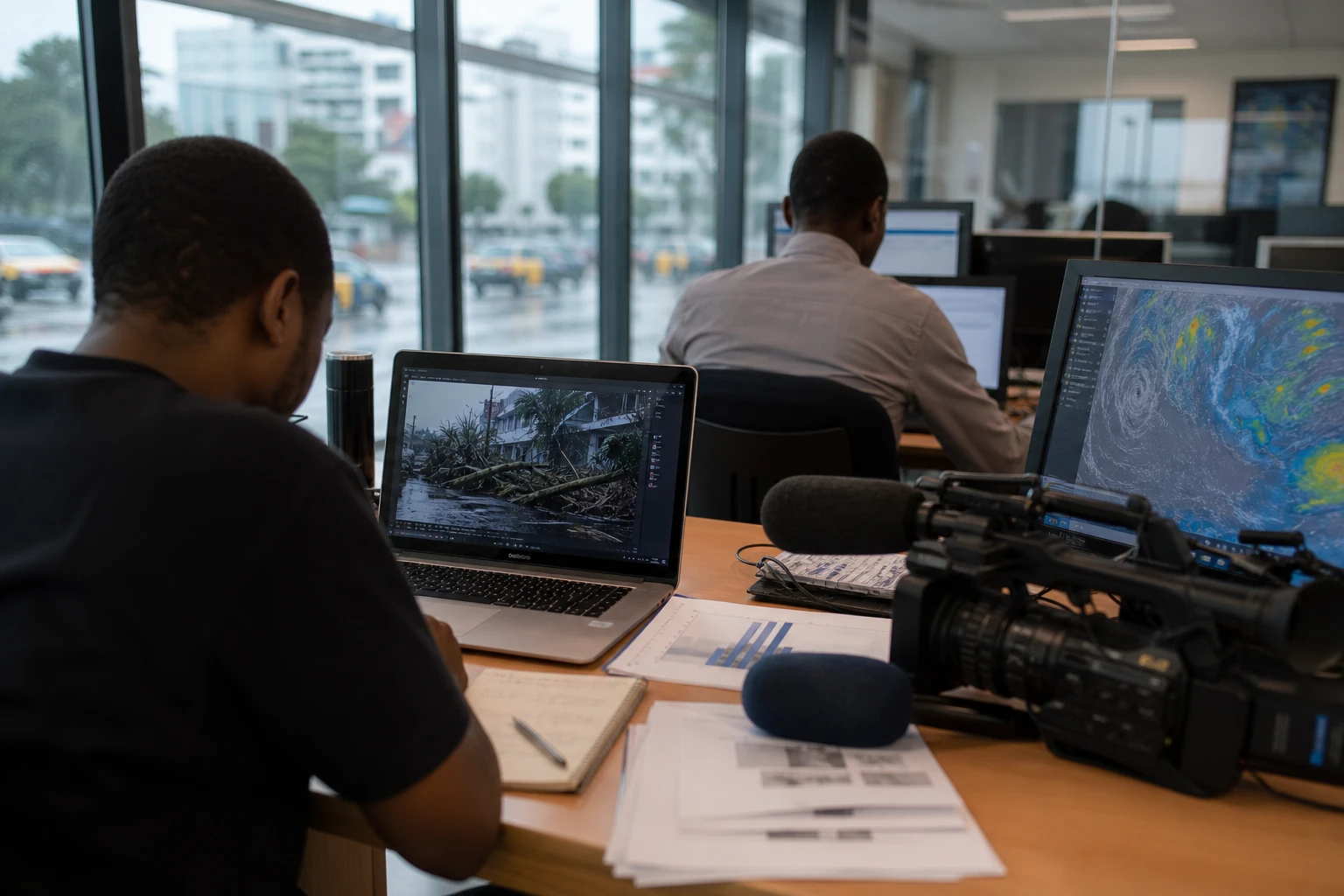
In Dakar, a gust of wind can be enough to halt weeks of work. On Thursday 20 August 2026, heavy rain and strong gusts damaged several areas of the capital, with damage reported as far as the artisan district and Soumbédioune market on the western corniche. The images emerging from the scene point to a simple reality: for many Senegalese artisans, displaying, storing and selling their goods all happens in the open air.
The following day, the City of Dakar announced emergency measures, instructing its technical services to clear obstructed roads and assist those affected. Mayor Abass Fall also promised a site visit over the weekend, with a focus on listening and assessing the damage. This comes as the capital is already exposed to intense rainfall, which regularly causes flooding, fallen trees and traffic disruption.
Soumbédioune, a popular and fragile showcase for Dakar
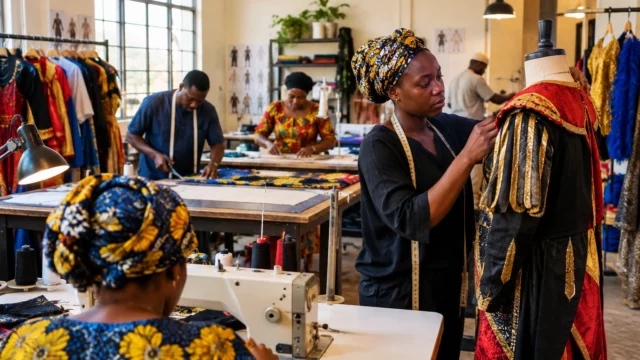
Soumbédioune is no secondary site. It is one of Dakar’s best-known places for handicrafts and casual dining, close to the Médina and the coast. The district brings together a wide range of activities: carpentry, upholstery, woodwork, leather goods, jewellery and the sale of products for local residents and visitors alike. The area is also associated with artisanal fishing and a local economic ecosystem rooted in the informal urban economy.
This vulnerability is important to understand. In Dakar, many workshops rely on tents, lightweight structures and visible stocks of goods. When the wind picks up, the losses are not limited to furniture. They can include orders already under way, raw materials and, at times, a workshop’s commercial reputation. In a sector where manual labour remains essential, a sudden halt to activity immediately affects daily income.
What the local authorities are promising
Abass Fall’s visit to carpenters and upholsterers is part of a political approach that is now more visible: the city authorities want to be present on public services, but also on the protection of urban trades. The mayor mentioned a programme of support, formalisation and funding. This is significant in a city where crafts provide some employment and small businesses struggle to access credit.
This approach also chimes with the broader message from Senegalese authorities on the role of the social economy, local trades and the creation of economic activity close to home. Dakar remains the country’s political and economic capital, as well as a regional showcase. Ahead of the Dakar 2026 Youth Olympic Games, the municipality is seeking to balance the city’s image, cleanliness, mobility and the promotion of local skills. The storms nevertheless serve as a reminder that a capital’s appeal is also measured by its ability to protect people on low incomes.
The issue here is as much social as economic. When a workshop loses its roof or display stands, entire families often bear the shock. The carpenter, upholsterer, workshop assistant and sometimes the seller all depend on the same chain. In Dakar, where the formal and informal sectors coexist, a weather disruption can therefore cause a very tangible income shock, without appearing in official statistics.
A local warning with resonance across West Africa
Senegal is not alone in facing this kind of episode. Along the West African coast, rainy seasons are increasingly closely monitored by meteorological services and local authorities, as they can combine rapid runoff, swells, strong winds and waterlogged ground. ANACIM has reminded people in recent days that the country remains under the influence of rain systems, while the City of Dakar has put its emergency plan into action.
For Africa’s rapidly growing cities, the challenge goes beyond managing a single disaster. It involves urban planning, drainage, workplace safety and the protection of small-scale capital. Dakar, like other ECOWAS capitals, must contend with dense urbanisation, competing uses of land and a vibrant urban economy. In this context, the weather does not just hit roads. It also reveals how resilient trades, markets and local policies are.
What happens next will depend on how quickly repairs are made, but also on whether the emergency response can be turned into a lasting approach. The artisans affected in Soumbédioune first need to be able to resume their work. The city authorities, in turn, must show that temporary assistance can become a lasting framework. In Dakar, this question matters for this particular district. It also matters for all the continent’s coastal cities, where rain, wind and precarious facilities are increasingly colliding.