Algeria
 Egypt
 Libya
 Morocco
 Sudan
 Tunisia
 Benin
 Burkina Faso
 Cabo Verde
 Ghana
 Guinea
 Guinea-Bissau
 Liberia
 Mali
 Mauritania
 Niger
 Nigeria
 Senegal
 Sierra Leone
 The Gambia
 Togo
 Cameroon
 Central African Republic
 Chad
 DR Congo
 Equatorial Guinea
 Gabon
 Republic of the Congo
 São Tomé and Príncipe
 Burundi
 Comoros
 Djibouti
 Eritrea
 Ethiopia
 Kenya
 Madagascar
 Malawi
 Mauritius
 Mozambique
 Rwanda
 Seychelles
 Somalia
 South Sudan
 Tanzania
 Uganda
 Angola
 Botswana
 Eswatini
 Lesotho
 Namibia
 South Africa
 Zambia
 Zimbabwe
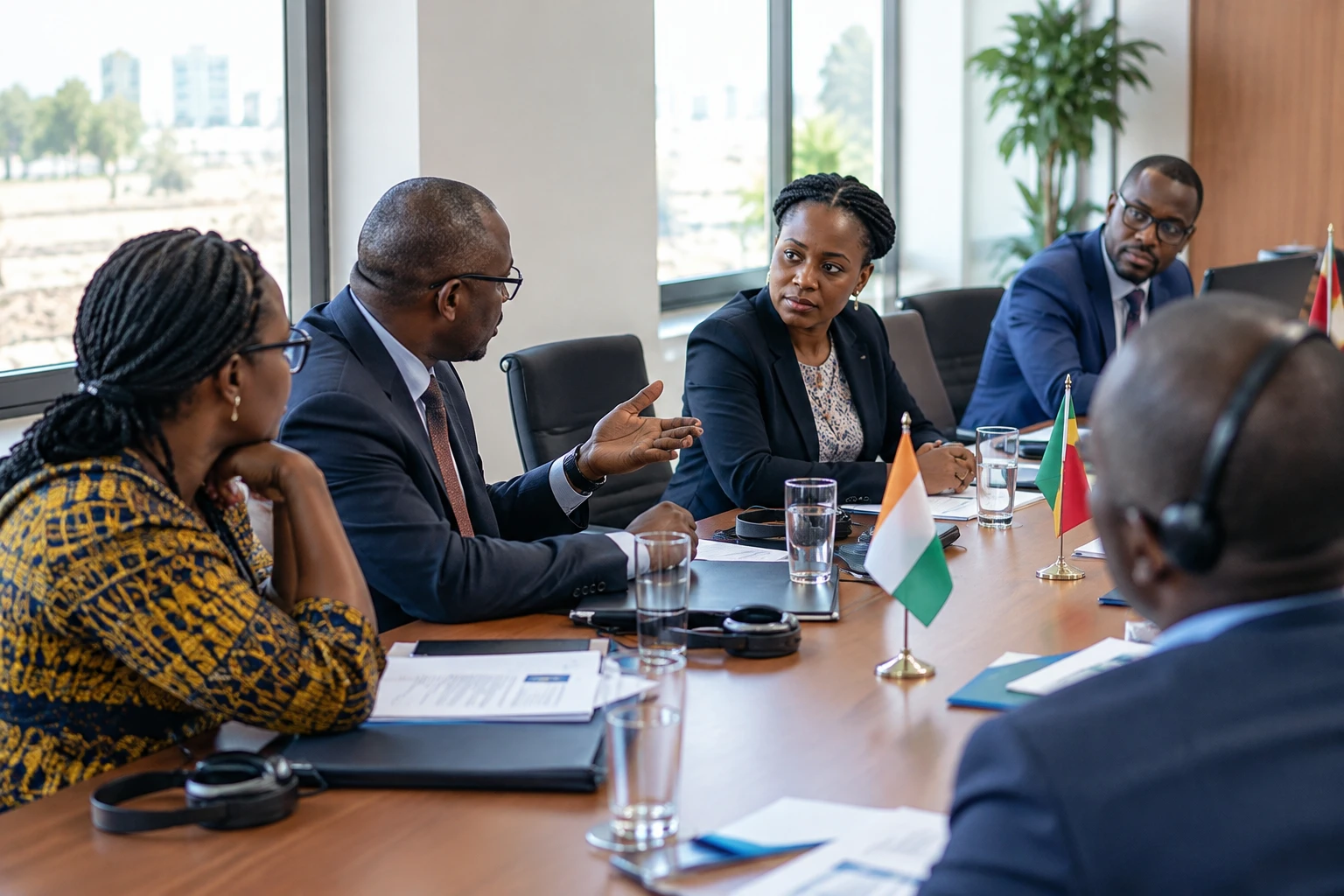
Confidence in elections is shaped long before polling day. In Côte d’Ivoire, it also depends on how the body responsible for organising them is designed. Following the dissolution of the Independent Electoral Commission (CEI), disagreement now centres on the process: broad political consultation or scrutiny of the bill by the institutions.
A process opened after the CEI’s dissolution
On 6 May 2026, the government announced the dissolution of the CEI, which was established in 2001 and tasked with organising and supervising national elections. The authorities justified the decision by citing criticism and reservations about the institution following the most recent electoral cycle. They said they wanted to establish a new electoral mechanism.
The reform is not starting from scratch, however. The CEI was at the centre of recurring debates over its composition, independence and the confidence it commanded among political parties. Its disappearance therefore raises an institutional question, but also a political one: who will define the rules for elections, and through what process?
Since the beginning of October, the Ministry of the Interior has been gathering proposals from political parties and groups on the structure and remit of the future body. Several opposition parties submitted joint proposals on 5 October, while the PDCI-RDA also put forward its own ideas. The PPA-CI, for its part, called for inclusive political dialogue.
Government favours institutional route
On 14 October, after a cabinet meeting, government spokesman Amadou Coulibaly said the executive would analyse the recommendations. Areas of agreement would be identified, after which a government proposal would be submitted to the National Assembly. He also said he had not been informed of any national dialogue.
The response came after several opposition parties called for dialogue on the reform. They are concerned that the rules for the future electoral body should be agreed politically before being finalised. The PPA-CI, for its part, has publicly backed the idea of inclusive consultation. These efforts do not mean that all the parties share an identical proposal: they have also held discussions and submitted separate documents.
The government is therefore setting out a two-stage process: consultation with stakeholders, followed by executive decisions and parliamentary scrutiny. Opposition parties calling for national dialogue are instead emphasising the need to reach political agreement first. The practical question is whether the contributions gathered will influence the final bill, and how disagreements will be handled before it reaches the Assembly.
Parliament at the heart of decisions
Submission to the National Assembly gives the process a legal and public framework. MPs will be able to examine the bill under parliamentary procedure. But this step alone does not answer the question of whether the compromise is politically representative. The governing RHDP has considerable weight in the Assembly, while the opposition is less represented, according to information cited in the current political debate.
This balance has fuelled concern among parties that want key decisions discussed with the government before MPs vote. The executive, by contrast, stresses the functioning of institutions and Parliament’s responsibility for scrutinising the bill. The timetable, consultation arrangements and the scope for elected representatives to amend the proposal have yet to be clarified publicly.
For Ivorians, the reform will have consequences extending beyond political party headquarters. The body’s composition, resources and responsibilities will determine, among other things, who prepares elections, maintains voter rolls and publishes provisional results. Voters in major cities and rural areas alike have an interest in procedures that are understandable and applied consistently across the country. For candidates and parties, clear rules for appeals and confidence in the handling of results are also decisive.
An Ivorian issue watched across the region
Côte d’Ivoire is a member of ECOWAS, the Economic Community of West African States, which brings neighbouring countries together through regional cooperation. Reform of its electoral system remains a national decision, but stable rules and confidence in elections also matter to its West African partners. The regional context makes a clear process all the more important, without justifying any conflation of the political paths of different countries.
The next announced step is for the government to finalise a proposal and submit it to the National Assembly. The points to watch are the bill’s content, the weight given to the parties’ recommendations and the timetable for its examination. The credibility of the new body will depend as much on its legal provisions as on how they were drawn up and accepted.