
 Algeria
 Egypt
 Libya
 Morocco
 Sudan
 Tunisia
 Benin
 Burkina Faso
 Cabo Verde
 Côte d'Ivoire
 Ghana
 Guinea
 Guinea-Bissau
 Liberia
 Mali
 Mauritania
 Niger
 Nigeria
 Senegal
 Sierra Leone
 The Gambia
 Togo
 Central African Republic
 Chad
 DR Congo
 Equatorial Guinea
 Gabon
 Republic of the Congo
 São Tomé and Príncipe
 Burundi
 Comoros
 Djibouti
 Eritrea
 Ethiopia
 Kenya
 Madagascar
 Malawi
 Mauritius
 Mozambique
 Rwanda
 Seychelles
 Somalia
 South Sudan
 Tanzania
 Uganda
 Angola
 Botswana
 Eswatini
 Lesotho
 Namibia
 South Africa
 Zambia
 Zimbabwe
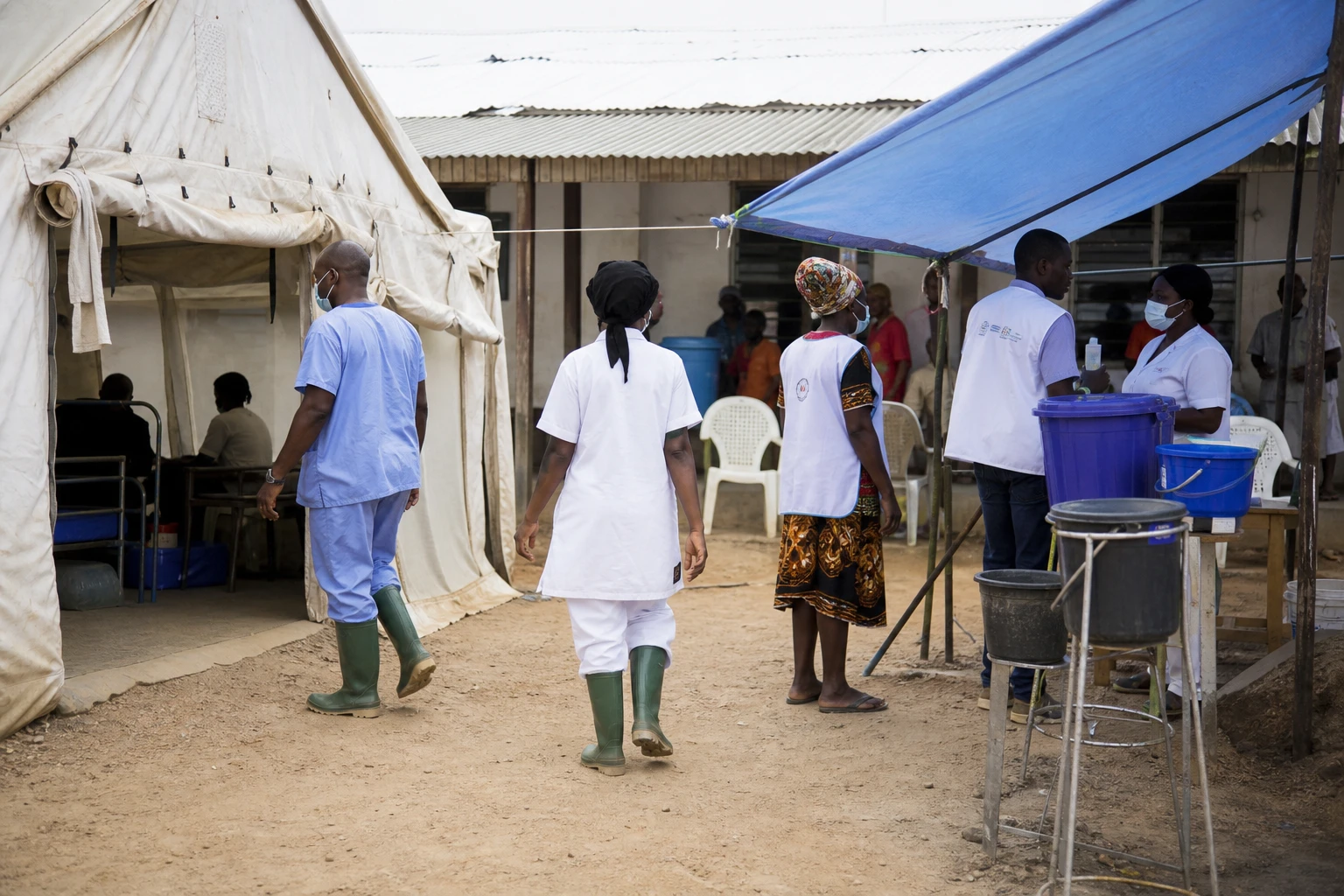
In the Far North, cholera exposes the fragility of daily life
When a waterborne disease spreads quickly, the frontline is not just the hospital. It also includes water points, markets, outlying neighbourhoods and villages where sanitation remains unreliable. In Cameroon’s Far North, this reality has come to the fore again with an outbreak affecting several health districts, even as the region is already facing other health and humanitarian emergencies.
Cameroon is not alone. Africa saw a 39% rise in new cholera cases in May 2026, with 14,230 cases reported in 10 countries, according to the World Health Organization. Amid these regional pressures, the response in northern Cameroon is part of a wider health burden also affecting Nigeria, the Democratic Republic of the Congo, Angola and South Sudan.
Outbreak confined to districts already vulnerable
Cameroon’s health authorities initially reported, on 4 July 2026, 166 notified cases, 10 deaths and 109 active cases in the Far North. A few days later, local coordination officials confirmed that transmission was continuing in several active hotspots, notably in Mada and Makary, while Fotokol and Kolofata were under enhanced surveillance. In Maroua, the Minister of Public Health brought together response teams to speed up the response.
The areas cited by health services are concentrated mainly in Logone-et-Chari and along the routes towards Mora. Active hotspots identified in the health areas of Amchidè, Fotokol, Jagné, Bargaram, Hilé-Alifa, Biamo and Makary show that the disease is not limited to a single location. It follows daily movements, commercial exchanges and patterns of water use.
The picture painted by health services in early July also points to an already familiar structural vulnerability. UNICEF says access to drinking water and sanitation remains low in the North and Far North regions, with 52% water coverage in rural areas and just 22% coverage for basic sanitation. This is no technical detail. It is the foundation for the spread or containment of a cholera epidemic.
In Mora, response centres on triage, treatment and local outreach
At Mora District Hospital, the health response is organised around a dedicated treatment centre. Teams triage suspected cases, refer patients who test positive for hospitalisation and reduce the risk of cross-contamination. This multi-zone set-up, described by healthcare workers, is in line with standards for managing cholera outbreaks. Above all, it saves time — and lives.
Community health workers are just as important. In a region marked by significant gaps between urban and rural areas, prevention messages must quickly reach households, schools, water-selling points and informal gathering places. Awareness campaigns on hygiene, open defecation and handwashing are not supplementary measures. They are the first line of defence in areas where access to infrastructure remains unequal.
The rainy season adds a constraint familiar to the authorities. Water can stagnate, latrines can deteriorate and supply routes can become more fragile. That is precisely why health services want to contain the epidemic before the rains intensify. In this kind of outbreak, the weather calendar becomes a health factor in its own right.
What the crisis says about Cameroon and the Lake Chad basin
Cholera highlights a wider challenge: the overlap of security emergencies, displacement pressures and fragile public services in the Far North. The region remains exposed to the effects of the Lake Chad basin, where displacement, insecurity and climate shocks complicate access to healthcare and water. At national level, this raises questions about Yaoundé’s ability to sustain a local response in areas far from the political centre.
The situation also comes at a time of change in health aid in Cameroon. The WHO says the country is leading a transition towards humanitarian coordination more firmly rooted in national structures, with regional and divisional platforms closer to communities. In other words, the cholera response is becoming a practical test of this growing local capacity, involving the ministry, regional authorities, community groups and technical partners.
For Central Africa, the stakes go beyond Cameroon. The country shares health and environmental dynamics with its neighbours in the Lake Chad and Sahel regions. As cholera spreads in the Far North, it is a reminder that administrative borders stop neither contaminated water nor cross-border movements. Regional surveillance, community prevention and the ability to treat cases quickly remain the real measures of what comes next.



