Algeria
 Libya
 Morocco
 Sudan
 Tunisia
 Benin
 Burkina Faso
 Cabo Verde
 Côte d'Ivoire
 Ghana
 Guinea
 Guinea-Bissau
 Liberia
 Mali
 Mauritania
 Niger
 Nigeria
 Senegal
 Sierra Leone
 The Gambia
 Togo
 Cameroon
 Central African Republic
 Chad
 DR Congo
 Equatorial Guinea
 Gabon
 Republic of the Congo
 São Tomé and Príncipe
 Burundi
 Comoros
 Djibouti
 Eritrea
 Ethiopia
 Kenya
 Madagascar
 Malawi
 Mauritius
 Mozambique
 Rwanda
 Seychelles
 Somalia
 South Sudan
 Tanzania
 Uganda
 Angola
 Botswana
 Eswatini
 Lesotho
 Namibia
 South Africa
 Zambia
 Zimbabwe
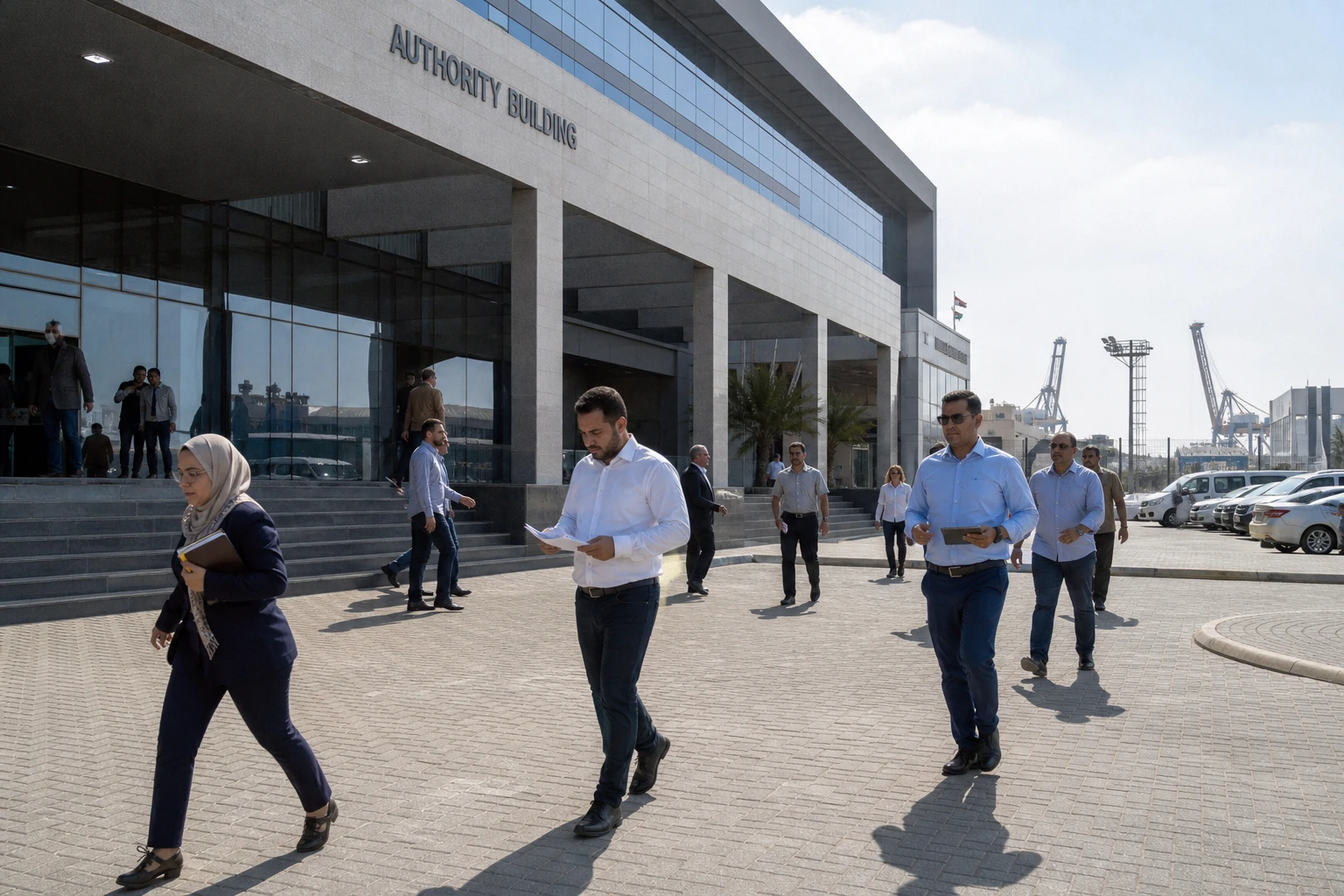
Cairo at the centre of a wider game
When a Chinese head of state chooses Cairo for a high-level visit, it is never merely a matter of protocol. Egypt controls the Suez Canal, occupies a pivotal position between the Mediterranean, the Red Sea and the Middle East, and remains one of the few African countries able to engage with Washington, Beijing, Moscow and Paris alike. In a tense regional environment, this position attracts investment as well as diplomatic messages.
For Egypt, the stakes are concrete: to diversify its external support without cutting ties with anyone. The country has been a member of BRICS since 1 January 2024, giving it a new economic platform, but not an automatic replacement for its longstanding alliances. Beijing, for its part, sees Egypt as an industrial, logistical and political platform for North Africa, the Red Sea and the Arab world.
An old relationship, updated
Xi Jinping’s visit comes at a symbolic moment: in 2026, the two capitals are celebrating 70 years of diplomatic relations. Cairo was the first Arab and African capital to recognise the People’s Republic of China, in 1956. That date still matters because it recalls a relationship founded from the outset on sovereignty, anti-colonialism and the pursuit of strategic autonomy.
Egyptian and Chinese authorities highlighted this historical foundation during the visit. President Abdel Fattah Al-Sissi presented the partnership as a tool for shared prosperity, while Xi Jinping published an article in the Cairo press to mark the occasion. Both messages emphasise continuity, but also a change in scale: the relationship is no longer limited to diplomacy, but is now focused on value chains, industry and technology.
The canal, factories and the battle for room to manoeuvre
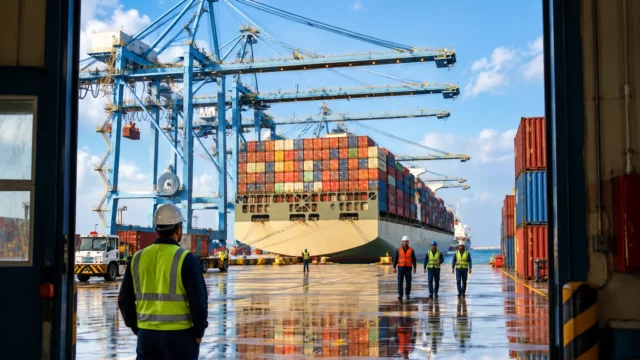
The economic heart of the matter lies in the Suez Canal zone, particularly in Ain Sokhna. In July 2025, Egypt and Chinese developer TEDA signed an extension of the TEDA-Suez industrial zone by 2.86 sq km, following the expansion of the previous 7.34 sq km phase. According to SCZONE, several textile projects were also launched in the zone in late July 2025, with announced investments of more than $55 million for two new units.
This is no trivial development. Producing locally allows Chinese groups to serve third-country markets from Egypt, rather than shipping goods solely from China. It is a way to circumvent some trade frictions, bring production closer to African and European markets, and benefit from a territory connected to ports and transit corridors. For Egypt, the equation remains simple: foreign currency, jobs, subcontracting and the transfer of know-how.
But this promise has another side. In a country where pressure on foreign exchange reserves remains intense, Chinese industry brings in capital while reinforcing dependence on investors able to move quickly and wield significant influence. The Suez Canal Economic Zone therefore aims to become a production hub, not merely a transit corridor. This is where part of Egypt’s economic autonomy is at stake.
Security is also on the negotiating table
The second signal in this sequence came from the skies. The Egyptian and Chinese armed forces launched the joint air exercise “Eagles of Civilization 2026” in August 2026, described by both countries as the second such cooperation between their air forces. China’s defence ministry confirmed that the manoeuvres were taking place in Egypt from mid-August to early September. Egypt’s defence ministry, for its part, announced the official start of operations.
For the first time, China deployed J-16s, heavy fighter aircraft that Beijing had not previously committed in Africa. Chinese official sources also referred to air combat training, including tactical manoeuvring exercises. The fact that these aircraft were pitted against Egyptian Rafales gives the exercise a significance beyond simple military cooperation: it is also about observing, learning and testing doctrines against a leading Western aircraft.
Any simplistic reading should nevertheless be avoided. Egypt remains tied to the United States through annual military aid of about $1.3 billion, and there is currently no indication that a purchase of Chinese aircraft is imminent. Cairo is, however, showing that it wants to broaden its suppliers, training partners and political options. This diversification strategy has become a hallmark of Egyptian diplomacy.
An African and Mediterranean reach
Egypt’s selection as Xi Jinping’s first African stop since the 2024 Forum on China-Africa Cooperation summit is no accident. The country speaks to the continent through its population, diplomatic weight, membership of the African Union and Arab connections. It also connects with the African economy through the Suez Canal, which links Asia to Europe and carries a share of global trade.
This sequence says much about the competition taking shape around infrastructure, industrial supply chains and defence technologies. China is no longer merely seeking to sell goods or finance projects. It is seeking lasting footholds capable of linking production, logistics and security. Egypt, for its part, is trying to turn its geographical weight into political and economic leverage, without becoming locked into a single camp.
Across Africa, the signal is clear: the major powers are no longer looking only at the continent’s markets, but also at its strategic hubs. Cairo, with its ports, industrial zones, armed forces and diplomatic networks, is establishing itself as one of these hubs. What Beijing is testing in Egypt today could herald, tomorrow, a more integrated model of cooperation between industry, trade and security on other African shores.