Algeria
 Egypt
 Libya
 Morocco
 Sudan
 Tunisia
 Benin
 Burkina Faso
 Cabo Verde
 Côte d'Ivoire
 Ghana
 Guinea
 Liberia
 Mali
 Mauritania
 Niger
 Nigeria
 Senegal
 Sierra Leone
 The Gambia
 Togo
 Cameroon
 Central African Republic
 Chad
 DR Congo
 Equatorial Guinea
 Gabon
 Republic of the Congo
 São Tomé and Príncipe
 Burundi
 Comoros
 Djibouti
 Eritrea
 Ethiopia
 Kenya
 Madagascar
 Malawi
 Mauritius
 Mozambique
 Rwanda
 Seychelles
 Somalia
 South Sudan
 Tanzania
 Uganda
 Angola
 Botswana
 Eswatini
 Lesotho
 Namibia
 South Africa
 Zambia
 Zimbabwe
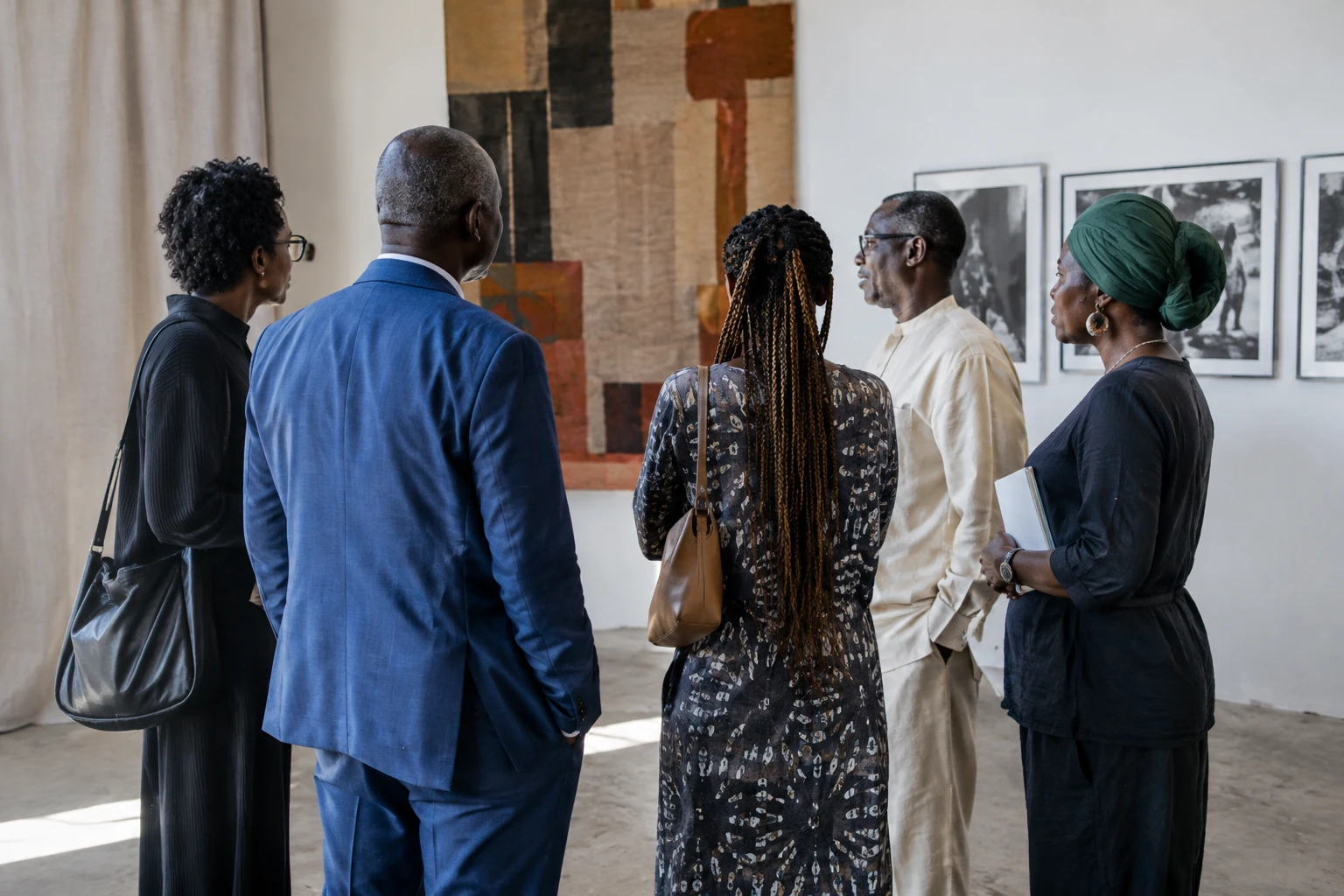
In Bissau, Amílcar Cabral’s legacy is not confined to commemorative ceremonies. It raises a question that remains politically urgent: how can independence be turned into tangible dignity, control over the land and a place for cultures? In Paris, an exhibition that opened on 16 October brings his ideas into dialogue with artists today, several of whom have ties to Guinea-Bissau and Cabo Verde.
A national history that crosses borders
Born in 1924 in Bafatá, then in Portuguese Guinea, Cabral was an agricultural engineer, political organiser and one of the founders of the African Party for the Independence of Guinea and Cape Verde (PAIGC). The movement advanced a shared project of emancipation for the two territories, then under Portuguese rule. This shared history does not erase their distinct national trajectories.
The PAIGC launched its armed struggle in 1963. Cabral was assassinated in Conakry on 20 January 1973, before independence. Guinea-Bissau proclaimed it on 24 September that year; Portugal recognised it in 1974. These two dates mark different stages: the proclamation by the pro-independence authorities, followed by recognition by the former colonial power. The biography published by the PAIGC and the United Nations chronology corroborate the key dates.
Cabral’s memory therefore belongs to several places: Guinea-Bissau, Cabo Verde, neighbouring Guinea, where he died, and the pan-African liberation networks. It is also part of the broader history of African independence and the role of the Organisation of African Unity, now the African Union, in supporting liberation movements.
Artworks that explore a legacy
On show at the Maison des mondes africains (MansA) in Paris from 16 October to 13 December 2026, the exhibition brings together nine artists. The selection includes Nú Barreto, who is from Guinea-Bissau, as well as artists from Cabo Verde, Senegal and Portugal. Photography, textiles, video, drawing and installation bring memory, identity, belonging and cultural resistance into dialogue.
Curator Armelle Dakouo sums up one of the exhibition’s central themes: for Cabral, responsibility towards the land and culture was bound up with the political project. The selection does not simply seek to illustrate a historical figure. It puts his thinking to the test of the present. A soundtrack created by rapper and producer Rocé brings together struggle songs, archive material and musical traditions associated with African independence movements.
This approach also gives a place to contemporary art from Guinea-Bissau. Nú Barreto, born in Bissau, addresses questions of equality and political fragility in his work. He describes Cabral’s legacy as something that must be “protected”. The phrase expresses an artistic concern, not an assessment of Guinea-Bissau’s society as a whole. Instead, it invites viewers to consider how the ideals of liberation are passed on, debated or reinterpreted.
Culture, sovereignty and everyday life
For Cabral, liberation did not end with the departure of the colonial administration. It also had to transform social relations and give people the means to decide their own future. Trained as an agronomist, he placed particular importance on knowledge of the land and rural realities. This focus is a reminder that independence is also measured by living conditions beyond the capitals, access to resources and producers’ ability to influence economic choices.
His emphasis on culture addressed the same issue. Languages, practices and stories are not mere adornments of national identity: they help shape how a society understands itself and sets its priorities. The exhibition extends this idea by bringing artworks, archives and music together. This choice connects the experiences of artists and diaspora audiences with those of people in Bissau and across the country, without claiming that they all share the same reading of the past.
Nú Barreto’s perspective also serves as a reminder that a political legacy is never immune to disappointment or disputes over interpretation. But celebrating Cabral does not remove the need to examine tensions between the liberation project and the institutions built after independence. Putting his legacy up for debate instead makes it possible to distinguish the memory of a leader from later political choices.
A regional reach, a debate to continue
Guinea-Bissau is a member of the Economic Community of West African States (ECOWAS), which brings neighbouring countries together around cooperation and regional integration. The history of the PAIGC, meanwhile, is a reminder that anti-colonial solidarity crossed today’s borders. The exhibition now carries this memory between West Africa, the Lusophone world and diasporas based in Europe.
The programme accompanying the exhibition extends these exchanges through discussions, screenings and musical events. The exhibition is scheduled to run until 13 December 2026. For people from Guinea-Bissau and audiences discovering Cabral alike, the point is not to freeze his legacy into a monument. It is to understand what his ideas about culture, land and emancipation can still illuminate, and what they cannot resolve on their own.