Algeria
 Egypt
 Libya
 Morocco
 Sudan
 Tunisia
 Benin
 Burkina Faso
 Côte d'Ivoire
 Ghana
 Guinea
 Guinea-Bissau
 Liberia
 Mali
 Mauritania
 Niger
 Nigeria
 Senegal
 Sierra Leone
 The Gambia
 Togo
 Cameroon
 Central African Republic
 Chad
 DR Congo
 Equatorial Guinea
 Gabon
 Republic of the Congo
 São Tomé and Príncipe
 Burundi
 Comoros
 Djibouti
 Eritrea
 Ethiopia
 Kenya
 Madagascar
 Malawi
 Mauritius
 Mozambique
 Rwanda
 Seychelles
 Somalia
 South Sudan
 Tanzania
 Uganda
 Angola
 Botswana
 Eswatini
 Lesotho
 Namibia
 South Africa
 Zambia
 Zimbabwe
A campaign fought as much in Praia as among the diaspora
In Cabo Verde, a presidential election is never confined to the capital, Praia. It reaches across the islands, as well as communities in Senegal, France, Portugal and the United States, where the votes of Cape Verdeans count towards the final outcome. In an archipelago where the state must balance institutional stability, the cost of living and social expectations, each candidacy becomes a test of confidence.
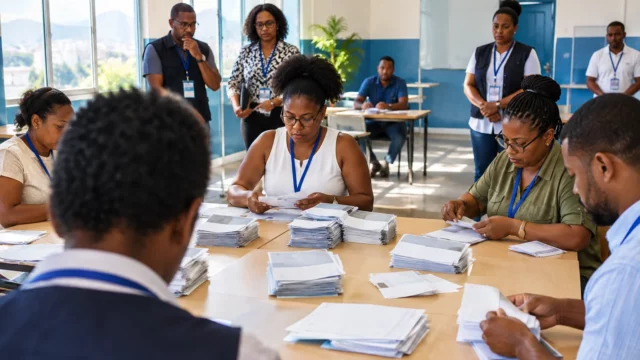
The 15 November 2026 election has already been scheduled by the National Election Commission. The first round will take place on that date, with a possible second round set for 29 November if no candidate wins the required majority. The campaign is therefore unfolding within a defined framework, with the electoral administration also mobilising constituencies in the diaspora.
José Maria Neves: experience as an asset, record under scrutiny
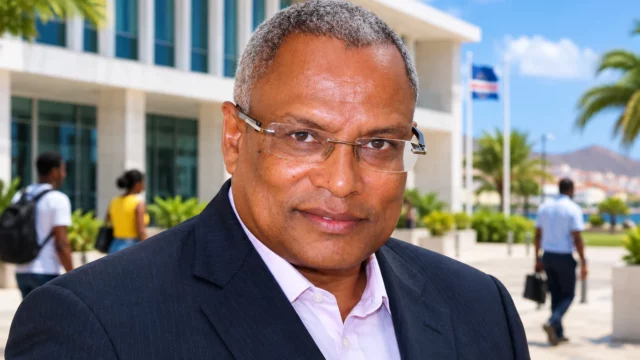
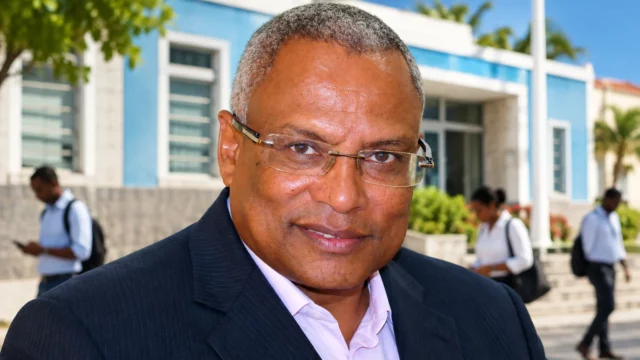
José Maria Neves, president of the republic since 2021, has announced that he intends to seek another term. He is calling for continuity in his work and seeking the backing of the African Party for the Independence of Cabo Verde, which he led for many years. The former prime minister’s entry into the campaign puts him at the centre of an election in which institutional experience may carry weight, but his five-year record will be closely scrutinised.
Under Cabo Verde’s electoral laws, the president is the guarantor of the regular functioning of institutions, the representative of the state and the supreme commander of the armed forces. The role is therefore less partisan than that of the head of government, but it remains political. In a semi-presidential system, the head of state’s personality influences the balance between political parties, the judiciary, institutional arbitration and the democratic climate.
The campaign is also taking place in a challenging social context. The country has just over half a million inhabitants and faces pressure from insufficient job opportunities for a large youth population, an economy dependent on services and external shocks, and social protection that remains an important issue. Without overstating the difficulties, the election therefore raises questions about the government’s ability to turn political stability into tangible results.
A local issue with West African implications
Cabo Verde is a member of ECOWAS, the Economic Community of West African States, which it joined in 1977. The country therefore plays its part in the balance of a region marked in recent years by institutional ruptures, military transitions and debates over democratic resilience. In this context, a well-organised presidential election in Praia has significance beyond the islands.
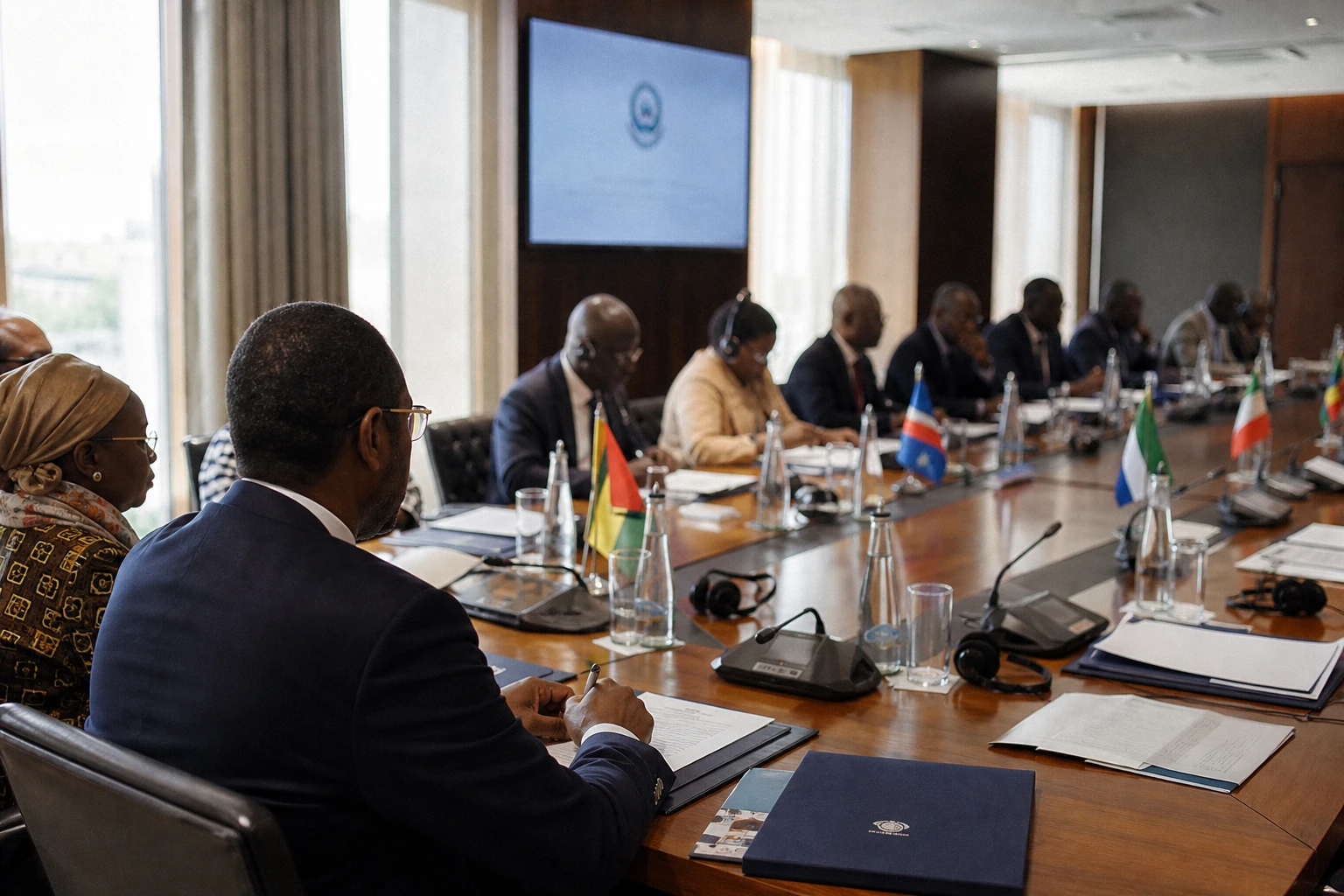
ECOWAS sent a pre-electoral fact-finding mission to Cabo Verde in 2026, a sign that the election is being followed as an important institutional event. The regional organisation is thus underscoring that the quality of the vote, competition between candidates and acceptance of the results remain central benchmarks for West African stability.
Several candidates have already announced their bids, and some have formally filed them, confirming that the race is open. The filing deadline was set for 16 September, according to the Cape Verdean press, and the question in the coming weeks will be whether the president’s candidacy reshapes the balance of forces or simply adds to an already crowded contest.
For the archipelago, the 15 November election will above all answer one question: whether continuity, embodied by José Maria Neves, remains the majority choice, or whether voters want to open a new chapter. For West Africa, Cabo Verde will then show that an island democracy can also serve as a point of balance in a region often seen only through its turbulence.