Algeria
 Egypt
 Libya
 Morocco
 Sudan
 Tunisia
 Benin
 Burkina Faso
 Cabo Verde
 Côte d'Ivoire
 Ghana
 Guinea
 Guinea-Bissau
 Liberia
 Mali
 Mauritania
 Niger
 Nigeria
 Senegal
 Sierra Leone
 The Gambia
 Togo
 Cameroon
 Central African Republic
 Chad
 DR Congo
 Equatorial Guinea
 Gabon
 Republic of the Congo
 São Tomé and Príncipe
 Comoros
 Djibouti
 Eritrea
 Ethiopia
 Kenya
 Madagascar
 Malawi
 Mauritius
 Mozambique
 Rwanda
 Seychelles
 Somalia
 South Sudan
 Tanzania
 Uganda
 Angola
 Botswana
 Eswatini
 Lesotho
 Namibia
 South Africa
 Zambia
 Zimbabwe
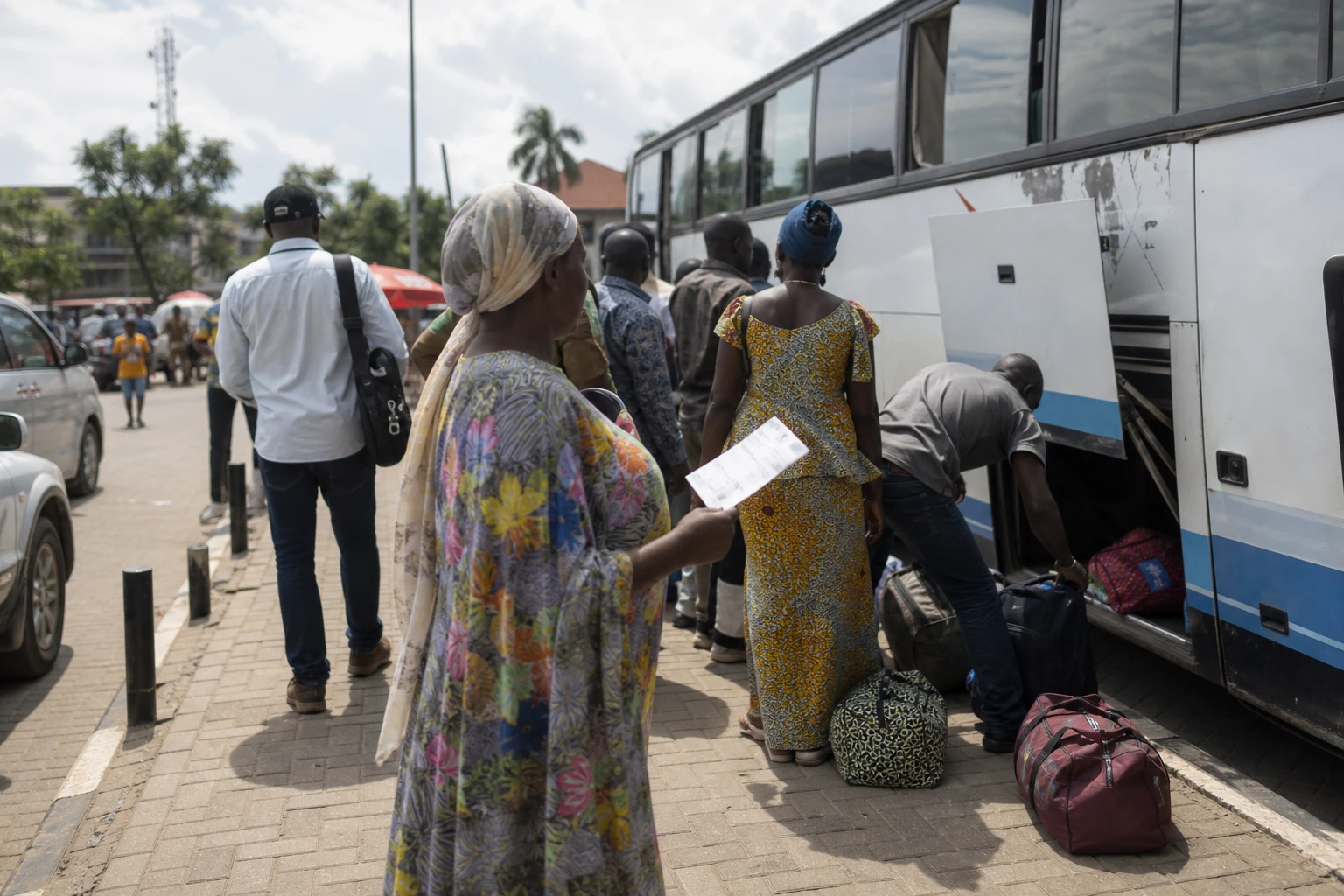
In Gitega, the issue is no longer just a closed border. It now concerns Burundi’s security, its military involvement in eastern Democratic Republic of the Congo (DRC) and the fragile future of relations between the two Great Lakes neighbours.
Bilateral tensions rooted in the Congolese crisis
Burundi and Rwanda share a political history, social ties and a short border. Yet relations between them have deteriorated sharply over several years. The closure of their land border has added a tangible dimension to the crisis: it disrupts trade, complicates family travel and weighs on commercial activity in border areas.
The stand-off, however, extends beyond the Gitega-Kigali axis. It is part of the ongoing war in North Kivu and South Kivu, two provinces in eastern DRC where the Congolese army, armed groups and allied or alleged allied forces are fighting.
Burundi is taking part in operations alongside the Armed Forces of the DRC. This military presence directly exposes the country to developments in the Congolese conflict. It also fuels mutual accusations between Kigali and Gitega.
Rwanda says the threat posed by the Democratic Forces for the Liberation of Rwanda, or FDLR, justifies its security measures in eastern Congo. The armed group is made up in part of Rwandan Hutu fighters linked to the history of the 1994 genocide. Kinshasa and Gitega, however, dispute Rwanda’s framing and accuse Kigali of using this threat to maintain military influence in the region.
Ndayishimiye maintains alert over Kigali
In an interview broadcast on 23 September 2026, Burundian President Évariste Ndayishimiye said the fear of a Rwandan attack “still exists”. He also accused Kigali of supporting, arming and sustaining the apparatus he considers responsible for violence against his country.
These accusations reflect the official position of Burundi’s head of state. They do not, on their own, establish the existence of an operational attack plan. Rwanda has previously rejected similar statements, describing them as unfounded and regrettable.
The Burundian president nevertheless stressed one point: he said Burundi was not seeking confrontation with Rwanda. The remark is intended to present Gitega as a defensive actor while maintaining diplomatic pressure on Kigali.
Évariste Ndayishimiye also questioned the word of Rwandan President Paul Kagame. In particular, he accused him of failing to honour a commitment to transfer to Burundi people suspected of taking part in the attempted coup in 2015. Kigali disputes this account.
The disagreement goes back to a particularly sensitive period in Burundi’s history. In 2015, opposition to Pierre Nkurunziza’s third term escalated into a political crisis, followed by an attempted coup and mass departures to neighbouring countries. Since then, Gitega has regularly accused some exiles and armed opposition figures of receiving outside support.
Washington agreement faces test on the ground
Burundi’s mistrust is also explained by the uncertain implementation of the agreement reached between the DRC and Rwanda in Washington on 27 June 2025. The text provides, among other things, for the withdrawal of Rwandan forces in the DRC and the neutralisation of the FDLR.
The difficulty lies in the sequence of commitments. Kigali insists that the FDLR threat must be addressed first. Kinshasa, for its part, is calling for the withdrawal of Rwandan forces and an end to support for the 23 March Movement, or M23, before it considers the process credible.
The United Nations and several diplomatic actors have reported persistent violations of peace commitments. UN experts have cited, in particular, continued military cooperation between several parties to the conflict. These findings do not make it possible to attribute every attack to one side, but they confirm that the agreement remains fragile.
For Burundi, the stakes are immediate. A prolonged military presence in South Kivu could strengthen its influence over armed groups. It could also make its soldiers direct targets, particularly in territories close to the Burundian border.
The impact on people varies by location. Residents of rural areas face displacement, movement restrictions and unsafe roads. In cities, the crisis is felt more through rising prices, pressure on public services and the arrival of displaced people.
Choosing dialogue over sanctions
Asked about possible sanctions against Rwanda, Évariste Ndayishimiye favoured dialogue. He said sanctions primarily hurt citizens, while the authorities retain their means of action.
This position reflects a recurring concern in the Great Lakes region. Coercive measures can isolate a government, but they can also reduce trade and worsen households’ difficulties. Their effectiveness therefore depends on how they are targeted, how long they last and whether a parallel political mechanism exists.
Burundi can also draw on regional frameworks. It is a member of the East African Community, or EAC, which seeks to coordinate responses to its members’ security and economic crises. However, the diverging interests of countries in the region often limit the reach of joint initiatives.
The issue also falls within the remit of the African Union. Évariste Ndayishimiye currently holds the organisation’s rotating presidency, giving his statements greater weight than those of a party to a bilateral dispute alone. The challenge is to distinguish his role as Burundi’s head of state from his institutional responsibilities within the African Union.
Another sensitive issue: hosting deported migrants
The interview also addressed the recent arrival in Burundi of around a dozen people deported from the United States to a third country. The Burundian government says the country agreed to host them, while requesting that no one considered a criminal risk be transferred to it.
Documents and investigations published in 2026 report transfers to Burundi of nationals from several African countries. The financial terms of the arrangement remain disputed. The Burundian president rejected the suggestion of a payment of several million dollars and referred the operational management of those concerned to the International Organization for Migration.
The issue places Gitega in a broader continental debate. For some African governments, hosting deported people may be a form of diplomatic cooperation and generate resources. For human rights advocates, it raises questions about people’s consent, their legal status and safeguards against transfer to a country where they have no ties.
For Burundi, there are two issues at stake. The country wants to present itself as a place of refuge, but it must also preserve its administrative capacity and the trust of its population. Transparency over the agreements, each actor’s responsibilities and the protection of transferred people will be crucial.
What to watch in the coming months
The situation will depend first on the actual implementation of the Washington agreement. A verifiable withdrawal of foreign forces, a reduction in attacks and a credible monitoring mechanism could ease the pressure on Burundi.
Conversely, any new offensive in South Kivu, any border incident or any accusation involving the FDLR could reignite confrontation between Gitega and Kigali.
The Burundi-Rwanda issue will therefore remain linked to three levels: Burundi’s national security, the military balance in eastern DRC and the ability of the EAC and the African Union to impose a regional framework. As long as these three dimensions remain intertwined, the risk will extend beyond a diplomatic crisis. It will directly affect people, trade and prospects for peace in the Great Lakes region.