Algeria
 Egypt
 Libya
 Morocco
 Sudan
 Tunisia
 Benin
 Cabo Verde
 Côte d'Ivoire
 Ghana
 Guinea
 Guinea-Bissau
 Liberia
 Mali
 Mauritania
 Niger
 Nigeria
 Senegal
 Sierra Leone
 The Gambia
 Togo
 Cameroon
 Central African Republic
 Chad
 DR Congo
 Equatorial Guinea
 Gabon
 Republic of the Congo
 São Tomé and Príncipe
 Burundi
 Comoros
 Djibouti
 Eritrea
 Ethiopia
 Kenya
 Madagascar
 Malawi
 Mauritius
 Mozambique
 Rwanda
 Seychelles
 Somalia
 South Sudan
 Tanzania
 Uganda
 Angola
 Botswana
 Eswatini
 Lesotho
 Namibia
 South Africa
 Zambia
 Zimbabwe
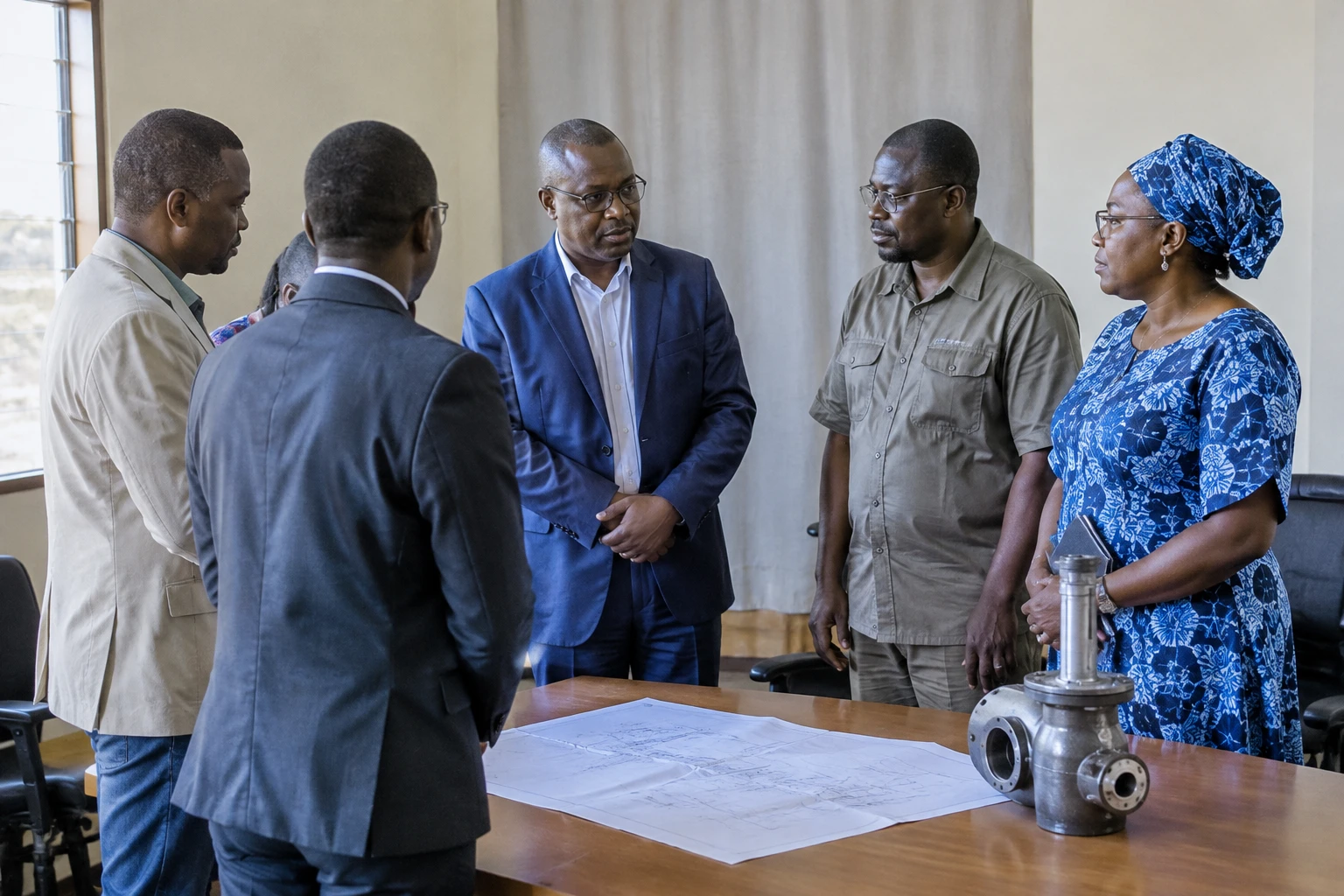
In Burkina Faso, the destruction of a borehole means more than a broken pump. It can put drinking water further out of reach for families, undermine healthcare and make daily life harder for children. More than 145 water points were destroyed in attacks between 2020 and 2025, according to UNICEF.
Civilian infrastructure at the heart of conflict
Water and sanitation systems are essential services, but they are also particularly vulnerable in conflict zones. UNICEF’s report Water Under Fire, volume 4 documents attacks and disruptions in 23 countries and territories between January 2021 and June 2026. It says reported attacks on these systems tripled between 2021 and 2025.
The tally covers several forms of damage: harm to wells, treatment plants and pipelines, contamination of sources, and restrictions affecting the parts and products needed to treat water. The data describe recorded incidents; they do not necessarily constitute a comprehensive inventory of all attacks.
In Burkina Faso, the report records more than 145 water points destroyed between 2020 and 2025. UNICEF estimates that nearly 830,000 people consequently lost access to drinking water, more than half of them children. The figures are attributed to the organisation, which does not specify in its statement how they are distributed by region or how long the interruptions lasted.
Consequences beyond the water point
When a water point stops working, residents must find another source or travel further. The burden falls particularly heavily on households in remote communities and on those responsible for collecting water, often women and girls. Displaced communities and the villages hosting them may also have to share facilities that are already under strain.
Lack of drinking water also affects health centres, schools and hygiene practices. It makes it harder to prevent waterborne diseases and care for patients. In rural areas, where alternatives may be scarce, repairing a borehole or delivering water becomes an immediate concern for the whole community.
This pressure is part of a wider crisis. In its 2025 humanitarian appeal, UNICEF estimated that 2.8 million people in Burkina Faso would need emergency water, sanitation and hygiene assistance. This figure encompasses a range of needs; it does not measure the impact of attacks alone.
The International Committee of the Red Cross has also described the spread of attacks on water points from the Sahel to other regions of the country, including Centre-Nord, Nord and Boucle du Mouhoun. A report published by the Protection Cluster in Burkina Faso had already recorded 58 water points attacked in 2022, compared with 21 in 2021 and three in 2020. These earlier figures shed light on the trend, but should not be confused with the new total of water points destroyed between 2020 and 2025.
Repairs cannot replace protection
Repairs and emergency supplies can restore a service, but they cannot prevent another attack. In its statement, UNICEF notes that facilities essential to the civilian population must be protected under international humanitarian law. The organisation calls on parties to conflicts, donors, and humanitarian and development actors to treat water and sanitation as services essential to survival.
For the Burkinabè authorities and water operators, the challenge is therefore both to repair infrastructure and to ensure continuity of service: securing equipment, maintaining supplies of spare parts and treatment products, and planning temporary solutions when a facility is damaged. However, the available data alone do not make it possible to assess each community’s current capacity to meet these needs.
The regional dimension also matters. Burkina Faso officially withdrew from ECOWAS, the Economic Community of West African States, on 29 January 2025. This institutional change does not eliminate cross-border needs: population movements, humanitarian co-ordination and the movement of essential goods remain regional issues. ECOWAS announced that it would provisionally maintain arrangements facilitating the movement of people and goods after the withdrawal.
A resilience challenge for the Sahel
UNICEF’s report places the case of Burkina Faso in a broader context without reducing national situations to a single set of circumstances. In Sudan, the organisation says that by March 2024 only one of Khartoum State’s 13 water treatment plants was still operating. These examples show how damage to infrastructure can turn a security crisis into a lasting public health emergency.
In Burkina Faso, the figure to watch will not be only the number of new incidents. The ability to repair facilities, keep water available in affected communities and document interruptions will also show whether families regain regular access. UNICEF stresses that repairs cannot substitute for protecting the systems on which civilians depend.