Algeria
 Egypt
 Libya
 Morocco
 Sudan
 Tunisia
 Benin
 Cabo Verde
 Côte d'Ivoire
 Ghana
 Guinea
 Guinea-Bissau
 Liberia
 Mali
 Mauritania
 Niger
 Nigeria
 Senegal
 Sierra Leone
 The Gambia
 Togo
 Cameroon
 Central African Republic
 Chad
 DR Congo
 Equatorial Guinea
 Gabon
 Republic of the Congo
 São Tomé and Príncipe
 Burundi
 Comoros
 Djibouti
 Eritrea
 Ethiopia
 Kenya
 Madagascar
 Malawi
 Mauritius
 Mozambique
 Rwanda
 Seychelles
 Somalia
 South Sudan
 Tanzania
 Uganda
 Angola
 Botswana
 Eswatini
 Lesotho
 Namibia
 South Africa
 Zambia
 Zimbabwe
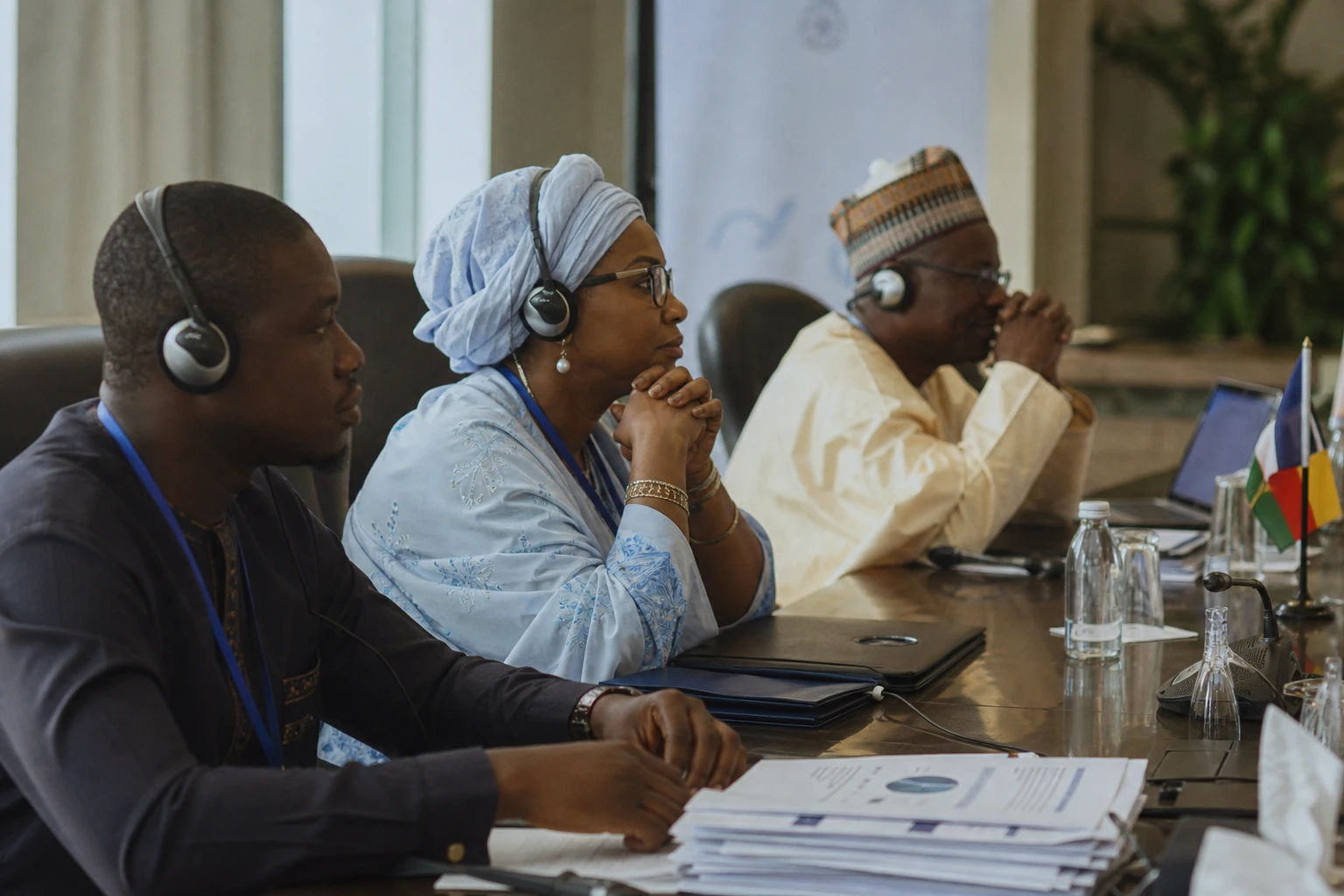
Brains are scarcer than resources
In Burkina Faso, the question is no longer just where the next infrastructure will come from. It is also about who will have the skills to design it, oversee it and keep it running. In technical sectors, the battle is now being fought as much in laboratories as in engineering offices.
This choice says much about Burkina Faso’s trajectory. Since 2023, the authorities have sent multiple signals in support of the peaceful use of atomic energy, including a memorandum signed in Moscow for a nuclear power plant, followed in April 2026 by the establishment of a 49-member committee tasked with the nuclear power programme. This sequence shows that the issue is no longer theoretical. It concerns energy sovereignty, research and training.
A targeted survey in New York
The latest step comes from New York. The Burkinabè Consulate General there has launched a survey of Burkinabè experts and students working in the nuclear sector. The stated aim is clear: to build a database of expertise abroad and involve those listed in scientific projects, research and training in Burkina Faso. The initiative follows a “human capital” approach that is often decisive in cutting-edge sectors.
The choice of nuclear energy is no accident. In Ouagadougou, the authorities have already stressed that the peaceful uses of atomic energy extend beyond power to medicine, agriculture, water, radiation protection and certain treatment and diagnostic tools. In 2026, the Burkina Faso Atomic Energy Agency also stepped up awareness-raising activities among students and legal professionals to encourage people to pursue careers in the field and establish a robust regulatory framework.
Turning the diaspora into a technical force
The survey of Burkinabè specialists living abroad reflects a view increasingly shared by African states: graduates who leave the continent to study or work are not simply a loss. They can become channels for skills transfer, support for research, and even bridges to more advanced partnerships. Burkina Faso has already offered tangible signs of this approach, with a memorandum signed in April 2026 between the government and ADDI, the African diaspora, to support health, ICT, training and agriculture.
In the nuclear sector, this contribution can matter even more. The industry requires rare skills: engineers, physicists, radiation protection specialists, sector lawyers and technicians capable of managing safety standards. The International Atomic Energy Agency says that education, training and human resource development are the foundation of a safe, secure and sustainable nuclear programme. In other words, no project can endure without a pool of skilled people.
For Ouagadougou, the challenge is therefore twofold: attract skills and keep them within the national system. It must also create an environment where specialists can work, teach and pass on their knowledge. This requires credible institutions, clear rules, equipment and career prospects. In a country where social needs remain acute in health, water and electricity, every expert mobilised can help deliver public services.
What this means for Burkina Faso and the region
At national level, the initiative illustrates a broader strategy of achieving sovereignty through skills. Burkina Faso does not yet have a nuclear power plant, but it is already preparing the ecosystem: a dedicated committee, awareness-raising, radiation regulation, scientific diplomacy and diaspora engagement. This approach resembles the foundations of a broader framework, designed to prevent a future programme from depending entirely on foreign experts.
At regional level, the move is being closely watched. In West Africa, several countries want to strengthen their energy and scientific autonomy, while ECOWAS, the West African regional organisation, remains a framework for the movement of skills and public policies. Although Burkina Faso has recently moved away from some of the sub-region’s institutional dynamics, technical needs remain cross-border: radiation protection, nuclear medicine, university training, source security and scientific cooperation.
The wider continental significance is clear. This is not just about one country seeking expertise. It points to a broader African question: how can the continent retain, bring back or connect talent trained abroad without reducing it to a brain drain? Burkina Faso’s answer is a practical one: map the skills, connect them to national projects and give them a place in an explicit scientific strategy. The next step will depend on the state’s ability to turn this survey into real assignments, with deadlines, resources and visible results.