Algeria
 Egypt
 Libya
 Morocco
 Sudan
 Tunisia
 Benin
 Cabo Verde
 Côte d'Ivoire
 Ghana
 Guinea
 Guinea-Bissau
 Liberia
 Mali
 Mauritania
 Niger
 Nigeria
 Senegal
 Sierra Leone
 The Gambia
 Togo
 Cameroon
 Central African Republic
 Chad
 DR Congo
 Equatorial Guinea
 Gabon
 Republic of the Congo
 São Tomé and Príncipe
 Burundi
 Comoros
 Djibouti
 Eritrea
 Ethiopia
 Kenya
 Madagascar
 Malawi
 Mauritius
 Mozambique
 Rwanda
 Seychelles
 Somalia
 South Sudan
 Tanzania
 Uganda
 Angola
 Botswana
 Eswatini
 Lesotho
 Namibia
 South Africa
 Zambia
 Zimbabwe
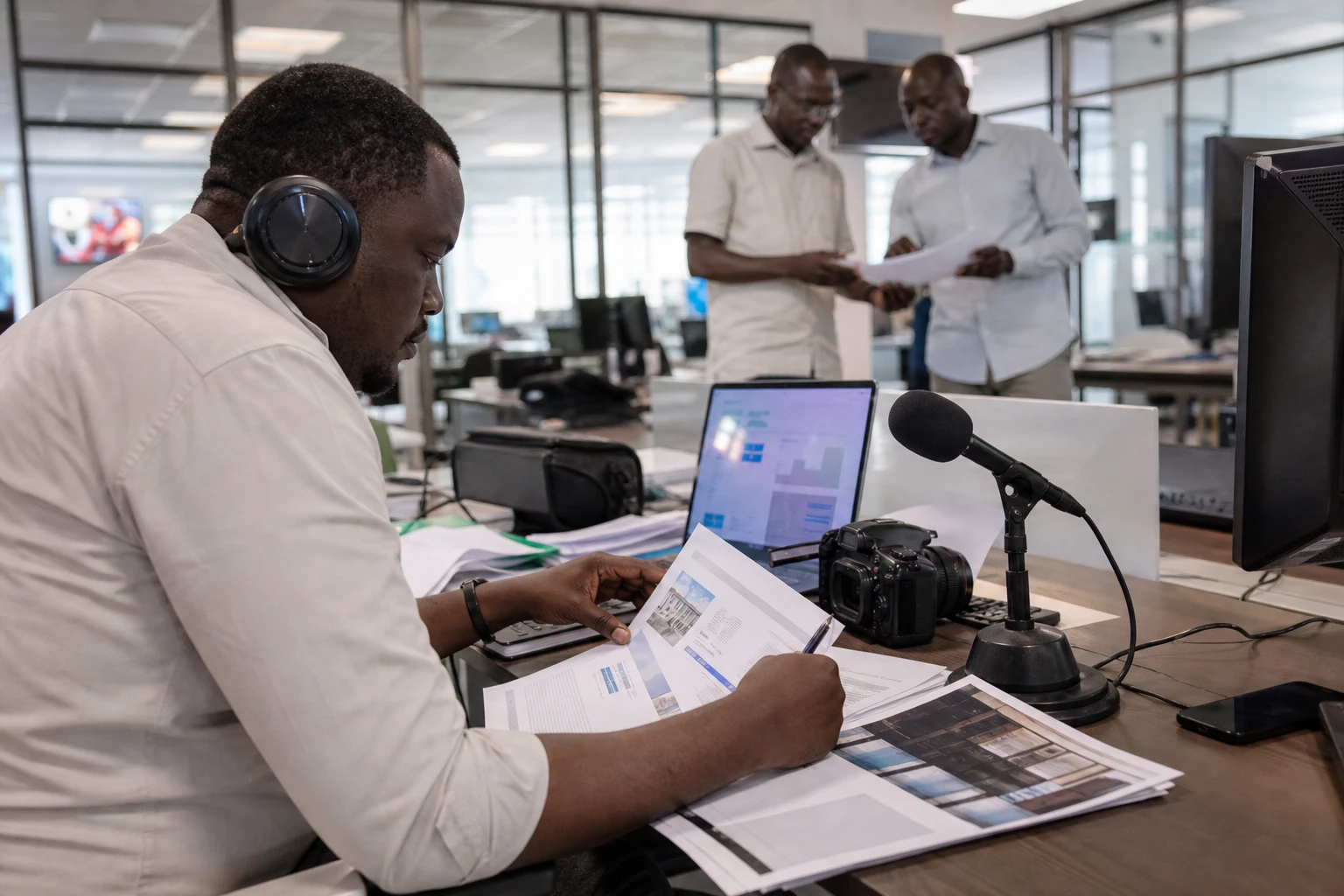
When buying a home still involves too many steps
In Burkina Faso, becoming a homeowner often remains a multi-layered process: finding a secure plot of land, checking the paperwork, negotiating the price, then persuading a bank. In a market where self-build construction is still dominant, the simplicity of the application matters as much as the advertised interest rate. This is precisely where the alliance announced in Ouagadougou between Banque Atlantique Burkina Faso and CGE Immobilier aims to stand out.
The issue goes beyond a single transaction. In the West African Monetary Union, the BCEAO points out that the common currency and banking framework are shared by eight countries, including Burkina Faso. At regional level, CRRH-UEMOA was established to refinance housing loans granted by partner banks, in order to support access to housing. In other words, housing finance is no longer purely a local matter; it is now structured at West African level.
What the agreement announced in Ouagadougou changes
On 23 July 2026, Banque Atlantique Burkina Faso and CGE Immobilier announced a partnership designed to simplify and secure the home-buying process for individuals. The idea is simple: bring together CGE Immobilier’s property expertise and Banque Atlantique’s bank financing in a single process. For buyers, this could reduce the back-and-forth between developers, notaries, banks and administrative services.
Banque Atlantique Burkina Faso belongs to the Banque Centrale Populaire group and describes itself as the third-largest bank in the UEMOA zone by market share, with a presence in all eight member states of the monetary union. In Burkina Faso, the bank says it has been operating since 27 April 2005 and has 25 branches. This network gives the partnership a reach beyond that of a simple commercial product. It forms part of a broader approach to distributing credit.
CGE Immobilier, for its part, describes itself as a Burkinabè property development company founded in 2013. Its website says it has supported more than 10,000 families since its creation. The company also says it operates in Burkina Faso and Côte d’Ivoire, and places quality at the centre of its processes. In a context where confidence in property purchases depends heavily on clear documentation, this reputation becomes a central selling point.
A signal for Burkina Faso’s housing market
The real challenge lies elsewhere: in the cost of accessing land and households’ ability to secure formal financing. A World Bank document on affordable housing finance in the UEMOA had already noted that, in Burkina Faso, rising land prices were driving up the cost of homes, while several social housing programmes had not been completed or had failed to provide sufficient property titles for mortgage lending.
This reality affects different groups in different ways. For salaried urban households, an integrated offer could speed up a purchase and make the application clearer. For households in the informal economy, which account for the majority in many West African cities, the problem is more fundamental: irregular incomes, difficulty raising a deposit, and sometimes incomplete legal security over land. In this context, a banking partnership will not solve everything, but it could ease a chain of obstacles.
Burkina Faso laid legal foundations as early as 2008 with a national housing policy and a law on property development, the UEMOA Centre of Excellence for Housing notes. Yet the same document stresses the need to strengthen the sub-regional approach. The message is clear: the challenge is not just to build more, but to make access to housing financeable, traceable and sustainable.
A regional trend to watch
This type of agreement says something about the West African housing market. Banks are seeking safer arrangements. Developers want creditworthy buyers and sound applications. Governments, meanwhile, want to widen access to home ownership without placing an excessive burden on their budgets. Between these three priorities, banking and property partnerships are becoming an increasingly common tool.
At continental level, the case of Burkina Faso is part of a broader question: how can housing be financed in rapidly growing cities without trapping households in unaffordable loans? UEMOA has regional institutions, a common monetary framework and specialised tools such as CRRH-UEMOA. The partnership announced in Ouagadougou is part of this architecture. Above all, it will be judged on its ability to deliver actual purchases, not just well-crafted announcements.