Algeria
 Egypt
 Libya
 Morocco
 Sudan
 Tunisia
 Benin
 Cabo Verde
 Côte d'Ivoire
 Ghana
 Guinea
 Guinea-Bissau
 Liberia
 Mali
 Mauritania
 Niger
 Nigeria
 Senegal
 Sierra Leone
 The Gambia
 Togo
 Cameroon
 Central African Republic
 Chad
 DR Congo
 Equatorial Guinea
 Gabon
 Republic of the Congo
 São Tomé and Príncipe
 Burundi
 Comoros
 Djibouti
 Eritrea
 Ethiopia
 Kenya
 Madagascar
 Malawi
 Mauritius
 Mozambique
 Rwanda
 Seychelles
 Somalia
 South Sudan
 Tanzania
 Uganda
 Angola
 Botswana
 Eswatini
 Lesotho
 Namibia
 South Africa
 Zambia
 Zimbabwe
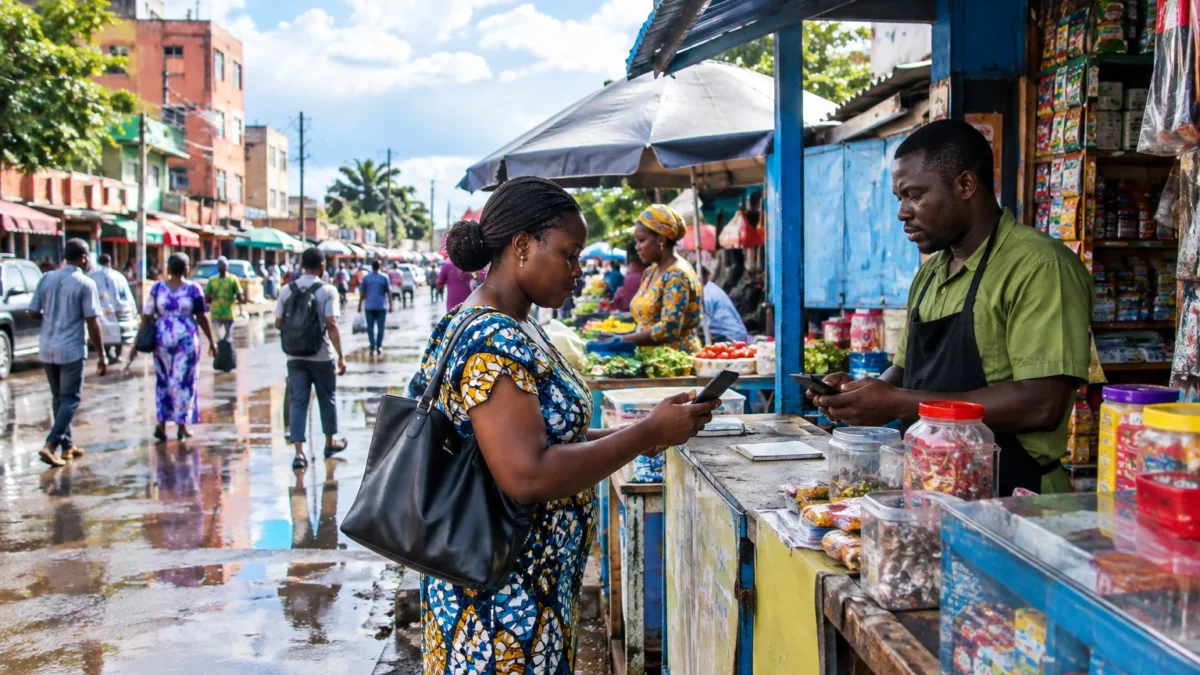
A mobile payment sent to the wrong number, a seller who cannot be found after a transfer: in Burkina Faso, digital services make transactions easier, but also expose households to real losses. Figures published for October 2026 give a measure of this vulnerability, without yet showing whether prevention measures are managing to reduce it.
Fraud concentrated in everyday transactions
Burkina Faso’s Ministry of Security reported that 956 people were affected by cybercrime in October, with losses exceeding CFAF 261 million. The figures come from its awareness programme “Security Reflex”, produced with the Central Brigade for the Fight against Cybercrime (BCLCC), the unit responsible for investigating offences committed online. The pan-African news agency APA also reported the figures.
Scams using information and communication technologies accounted for 615 recorded cases. Among these, Mobile Money fraud affected 263 victims and caused losses of more than CFAF 104 million. Fake online purchases affected 240 people, with losses of nearly CFAF 57 million. The report also lists 72 cases of unauthorised account access and 51 cases of webcam blackmail.
These categories do not all measure the same thing: the report distinguishes, in particular, between “cases” and “victims”. It does not detail the method used to calculate the total of 956 people affected. Nor does it provide a comparison with September. October’s figure therefore describes a monthly situation, but is not, on its own, enough to establish a sustained rise.
The ministry also announced 21 arrests during the month, of whom 15 were referred to the courts. An arrest or referral is not a conviction. These figures provide information about the work of the authorities, but not about the outcome of proceedings or any sums recovered by victims.
The challenge of trust in the digital economy
Mobile Money allows people to send and receive money by phone without necessarily going to a bank branch. For individuals and small businesses alike, these services can make payments and transfers easier. But a fast transaction also leaves little room to correct a mistake or check that the other party is dishonest.
Online shopping also depends on trust: customers often pay before seeing the product, while buyer and seller may never meet. Hacked accounts, fake profiles and misleading adverts can therefore affect users from a range of backgrounds. The recorded losses do not, however, show which social groups, cities or regions are most exposed. It would therefore be premature to infer a precise geographical distribution of victims.
The issue goes beyond individual security. If users fear losing their money, they may hesitate to use tools that facilitate transactions and commercial activity. Conversely, building trust requires more than advice to be cautious: it also requires accessible reporting mechanisms, investigations capable of tracing transactions and responses that victims can understand.
A national strategy to put into practice
Burkina Faso has adopted a National Strategy to Combat Cybercrime for 2025-2029, approved in Ouagadougou in November 2024. The document provides, in particular, for strengthening the BCLCC and bringing its expertise closer to people in other cities. The ministry also offers the Alerte-BCLCC platform for reporting incidents online.
This approach addresses a practical question: how can people file a complaint or submit evidence if they do not live in the capital? Decentralisation can reduce this distance, provided residents know where to turn and their reports are followed up. Prevention, meanwhile, must be tailored to everyday situations: calls, text messages, social media, fake websites and requests for confidential codes.
The second National Week to Combat Cybercrime, held from 26 to 30 October 2026 according to information provided by the authorities, combined awareness-raising, training and activities focused on digital solutions. These initiatives can help people recognise scams. Their impact will depend, however, on their continuity and accessibility, particularly for people who use digital services without technical support.
A shared challenge in West Africa
Burkina Faso is a member of the West African Economic and Monetary Union (UEMOA), which shares the CFA franc and a regional framework for financial services, among other things. Digital payments cross borders easily; scams and related transfers may therefore involve several operators or countries. This makes cooperation between authorities, financial services and regional investigators important, although October’s figures do not identify any cross-border networks.
For people in Burkina Faso, the immediate question remains what to do after fraud: where to report it, what evidence to keep and how to obtain a response. The authorities recommend checking a seller’s identity, not sharing confidential codes and keeping records of communications. These steps do not replace investigations or system protection, but they can limit some risks and help a case to be handled.
Progress will be measured less by the number of campaigns organised than by their impact: changes in complaints, processing times, judicial outcomes and victims’ ability to report fraud outside Ouagadougou. The published monthly figures do not yet answer these questions. They nevertheless show that payment security is now a direct condition of trust in digital services in Burkina Faso.