Algeria
 Egypt
 Libya
 Morocco
 Sudan
 Tunisia
 Benin
 Cabo Verde
 Côte d'Ivoire
 Ghana
 Guinea
 Guinea-Bissau
 Liberia
 Mali
 Mauritania
 Niger
 Nigeria
 Senegal
 Sierra Leone
 The Gambia
 Togo
 Cameroon
 Central African Republic
 Chad
 DR Congo
 Equatorial Guinea
 Gabon
 Republic of the Congo
 São Tomé and Príncipe
 Burundi
 Comoros
 Djibouti
 Eritrea
 Ethiopia
 Kenya
 Madagascar
 Malawi
 Mauritius
 Mozambique
 Rwanda
 Seychelles
 Somalia
 South Sudan
 Tanzania
 Uganda
 Angola
 Botswana
 Eswatini
 Lesotho
 Namibia
 South Africa
 Zambia
 Zimbabwe
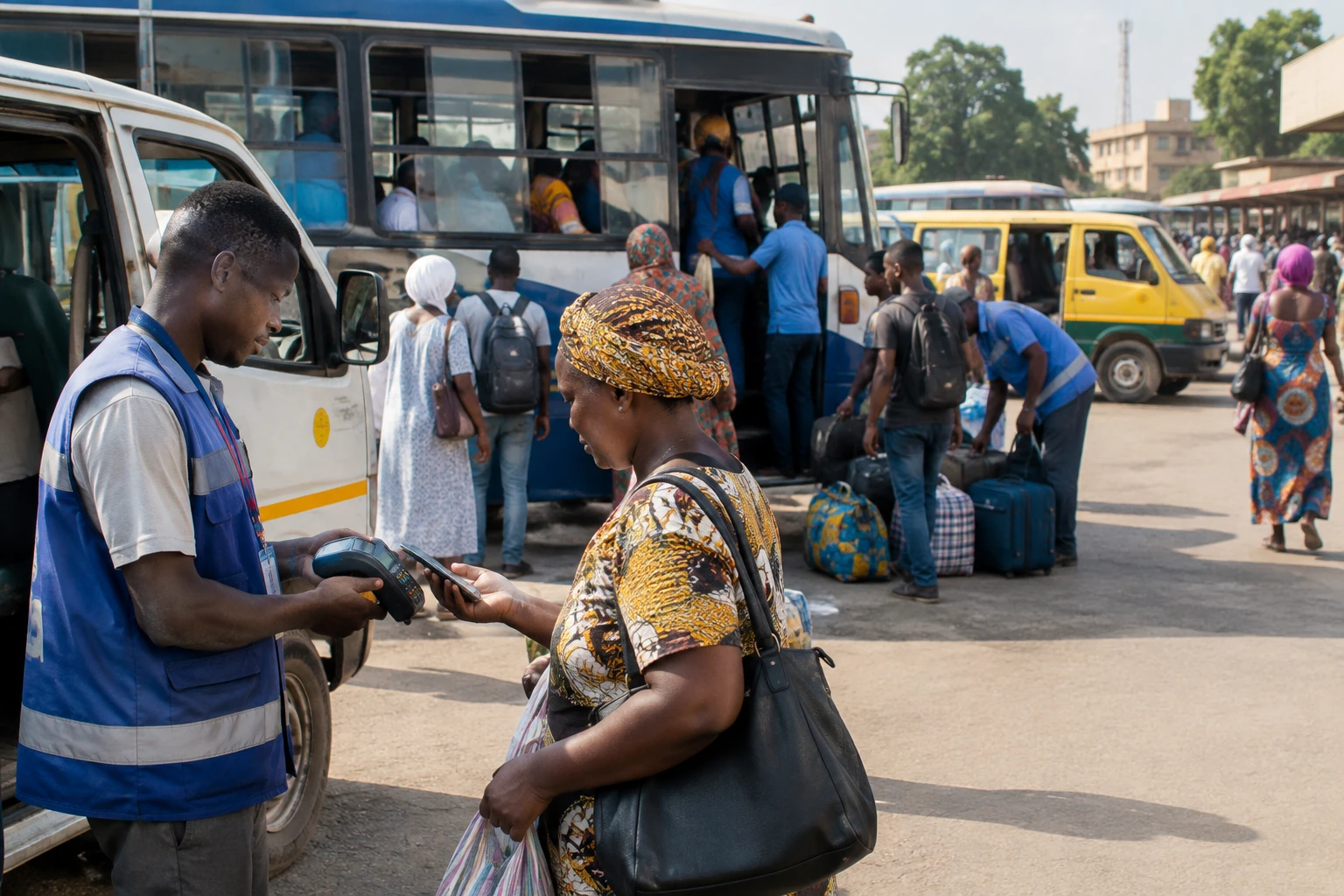
By raising more than planned on the regional market, the Burkinabe state has secured additional financing. But these funds are not free revenue: they commit public finances for several years and will have to be repaid with interest.
Regional financing exceeds target
Burkina Faso raised CFAF 143 billion following a public offering held from 12 to 30 October 2026. The amount is CFAF 43 billion above the initial target of CFAF 100 billion, equivalent to 143% of the target. Economy and Finance Minister Aboubakar Nacanabo announced the result on Monday 2 November.
A second report by the pan-African news agency APA confirms the amount and the date of the announcement. It also reports that the ministry’s revenue collected in October reached CFAF 422 billion, against a forecast of CFAF 333 billion. This figure relates to the ministry’s revenue and should not be confused with the proceeds of the bond issue, which constitute debt.
The operation took place on the financial market of the West African Monetary Union (WAMU), where member states can borrow from investors in the region. Subscriptions exceeded the Treasury’s target. However, the allocation of securities among investors and the amounts ultimately accepted in each of the three tranches have not been published in the information available.
Three maturities, three rates of return
The bond was structured in three tranches. The first targeted CFAF 40 billion over five years, at an annual rate of 6.60%, with a two-year grace period on principal repayments. The second covered CFAF 30 billion over seven years, paying 6.75%. The third provided for CFAF 30 billion over ten years, at 7%.
These amounts and rates describe the structure initially proposed, not necessarily the final allocation of the CFAF 143 billion raised. Without publication of the allocation details, it would be risky to calculate the operation’s total interest costs based solely on the terms announced.
The four asset management and intermediation companies based in Burkina Faso — Coris Bourse, Société burkinabè d’intermédiation financière (SBIF), SA2IF and Image Finance International (IFI) — took part in organising and placing the issue. The securities were offered on the regional financial market, which brings together issuing states and investors from the WAMU area.
The budget shows the scale of the challenge
The proceeds are intended to help fund investment included in the state budget for 2026. Budget figures adopted by the Burkinabe authorities put total expenditure at CFAF 3,918.3 billion, of which CFAF 1,356.4 billion is allocated to investment. The bond’s performance above target therefore provides an additional resource, but represents only part of public financing.
For the government, borrowing on the regional market makes it possible to raise funds without relying solely on tax revenue or external financing. For investors, the issue offers securities that pay returns according to their term. In return, the state will have to meet the scheduled payments, while other budgetary needs — public services, operating costs and investment — also compete for available resources.
The tangible effect on the population will therefore depend on how the funds are used and whether the projects financed are delivered. Benefits could include infrastructure or public services, but the funds raised alone do not show which projects will be supported or what their regional impact will be. Details on how the resources are used and monitoring of repayments will be important in assessing the operation.
A signal to be viewed in the regional context
Recourse to the regional market is part of a financial system shared by WAMU countries within the West African Economic and Monetary Union (WAEMU). Sovereign issues allow states to secure financing from regional players, but also put them in competition to attract available savings. Raising more than the target indicates that subscriptions were strong; on its own, it is not enough to establish investors’ motivations or measure their long-term confidence.
For Burkina Faso, whose capital is Ouagadougou, this operation adds to the other forms of financing for the national budget. Across West Africa, it illustrates the growing role of regional markets in financing public policies. The next step to watch will be the publication of more detailed information on allocations, use of the funds and the repayment schedule. These details will make it possible to distinguish the success of the subscription from its actual effects on investment and public finances.
Sources consulted: results of the Burkinabe bond issue, pan-African report on the amounts announced, official data on Burkina Faso’s 2026 budget, announced terms of the three tranches.