Algeria
 Egypt
 Libya
 Morocco
 Sudan
 Tunisia
 Burkina Faso
 Cabo Verde
 Côte d'Ivoire
 Ghana
 Guinea
 Guinea-Bissau
 Liberia
 Mali
 Mauritania
 Niger
 Nigeria
 Senegal
 Sierra Leone
 The Gambia
 Togo
 Cameroon
 Central African Republic
 Chad
 DR Congo
 Equatorial Guinea
 Gabon
 Republic of the Congo
 São Tomé and Príncipe
 Burundi
 Comoros
 Djibouti
 Eritrea
 Ethiopia
 Kenya
 Madagascar
 Malawi
 Mauritius
 Mozambique
 Rwanda
 Seychelles
 Somalia
 South Sudan
 Tanzania
 Uganda
 Angola
 Botswana
 Eswatini
 Lesotho
 Namibia
 South Africa
 Zambia
 Zimbabwe
When mothers’ health also depends on men’s decisions
In many Beninese households, pregnancy is not decided only in health centres. Decisions are also made at home: whether to seek care early, pay for transport, accept family planning or allow inheritance to follow traditional rules. It is on this less visible but decisive front that the so-called model husbands initiative is advancing; it is now active in 66 villages in Benin.
The challenge is familiar to the country’s health authorities and partners: despite progress, Benin still faces high maternal mortality, estimated at 391 deaths per 100,000 live births in 2018 by the WHO and UNICEF, and then at 523 according to UNICEF’s 2020 estimates. This health crisis gives practical significance to community-based approaches that address social norms as well as the provision of care.
A community-based tool born within a broader regional framework
The husbands’ school did not emerge from nowhere. It is part of the SWEDD programme — Women’s Empowerment and Demographic Dividend in the Sahel — a scheme funded by the World Bank and implemented with technical support from UNFPA. In Benin, this regional framework has already supported husbands’ clubs, safe spaces and maternal and reproductive health initiatives in several parts of the country.
The principle is simple. Men are trained to understand women’s health needs, then become advocates in their own communities. In other Sahelian countries, the approach has already been described as a way to change behaviour around antenatal appointments, skilled childbirth, contraception and dialogue between couples. Benin is adopting the same approach, but adapting it to its villages, local chiefs and family realities.
This approach also fits the country’s current direction. Benin’s Ministry of Health has launched a national community health policy that focuses on proximity, household follow-up and prompt referral to health facilities. Within this framework, model husbands complement the work of community health workers, midwives and local advocates.
What model husbands do in practice
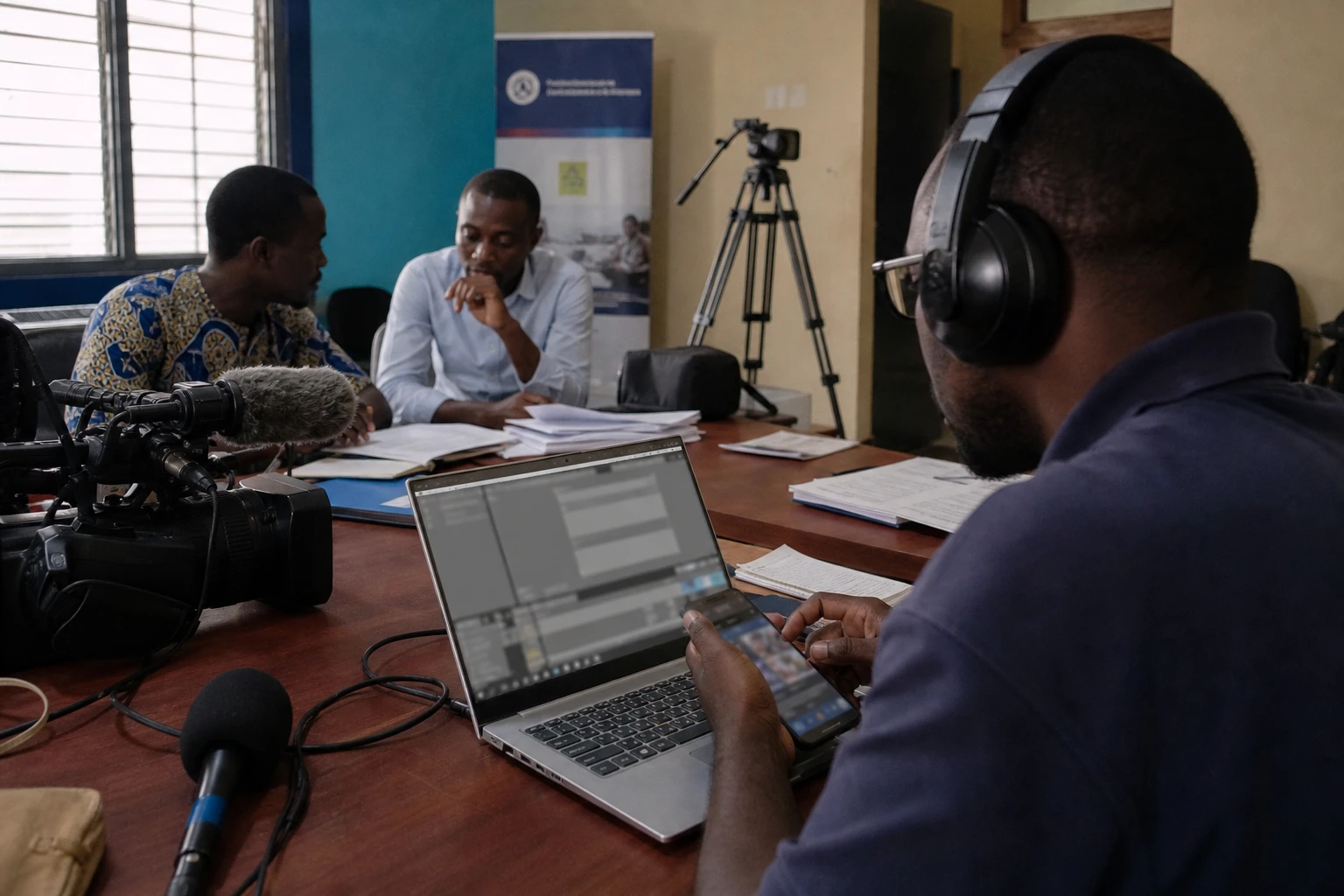
In northern Benin, the approach involves village discussions, home visits and awareness-raising sessions led by men who are already convinced. Their role is not symbolic. They explain to other men why they should support a pregnant wife, accept antenatal care, share certain decisions and avoid blocking access to healthcare. UNFPA Benin says community-based reproductive health initiatives also involve husbands, grandmothers and community leaders, reflecting how social negotiation involves the entire extended household.
The programme now reaches 66 villages, according to information available in technical documents and field communications. This expansion matters. In rural areas, distance, transport costs and economic dependence within the household continue to weigh heavily on access to care. Where men’s decisions carry weight, training them means addressing a real barrier to healthcare.
The issue is not limited to motherhood. It also concerns women’s work, the distribution of power at home and inheritance. In other words, it is about resources, rights and recognition. This is where the approach extends beyond public health. It forms part of a transformation in relations between women and men, without imposing change from above.
Why this approach matters to people in Benin
Benin is not short of laws or plans. But there is often a gap between the rules and practice. Maternal health offers a clear example. The figures still point to structural vulnerability, while public policies seek to bring services closer to communities. In this context, model husbands act as intermediaries. They translate technical messages into everyday arguments that families can understand.
The impact is not the same for everyone. For women, the expected benefits are swifter access to care, fewer family barriers and greater say in decisions about their bodies and work. For men, the challenge is different: they are being asked to move away from an exclusive role of control and become partners in decision-making. For health workers, the benefit is clear: fewer avoidable delays and stronger links between communities and healthcare facilities.
This perspective matters in a country where health insurance is becoming compulsory for residents and the health system is seeking to strengthen primary care, obstetric emergencies and community networks. Model husbands are not intended to replace the state. They help bring public policy into the courtyards of people’s homes, where too many delays in receiving care still occur.
A West African impact to watch
The significance of this experience goes beyond Benin. Maternal health remains a major challenge across West Africa, from the Sahel to coastal areas. The fact that an ECOWAS member is building on a community-based approach that involves men in women’s health is a useful signal. It is a reminder that reducing maternal mortality in West Africa requires not only infrastructure but also addressing the social norms surrounding childbirth, contraception and women’s voices.
Benin, with its capital Porto-Novo and sharply differing realities between cities and rural municipalities, is becoming a modest but instructive testing ground. The next challenge will be less about proclaiming success than checking whether the initiative continues: how many more villages will be involved, what measurable effects it has on antenatal appointments, and what lasting role these male advocates will have in public community health policies.