Algeria
 Egypt
 Libya
 Morocco
 Sudan
 Tunisia
 Benin
 Burkina Faso
 Cabo Verde
 Côte d'Ivoire
 Ghana
 Guinea
 Guinea-Bissau
 Liberia
 Mali
 Mauritania
 Niger
 Senegal
 Sierra Leone
 The Gambia
 Togo
 Cameroon
 Central African Republic
 Chad
 DR Congo
 Equatorial Guinea
 Gabon
 Republic of the Congo
 São Tomé and Príncipe
 Burundi
 Comoros
 Djibouti
 Eritrea
 Ethiopia
 Kenya
 Madagascar
 Malawi
 Mauritius
 Mozambique
 Rwanda
 Seychelles
 Somalia
 South Sudan
 Tanzania
 Uganda
 Angola
 Botswana
 Eswatini
 Lesotho
 Namibia
 South Africa
 Zambia
 Zimbabwe
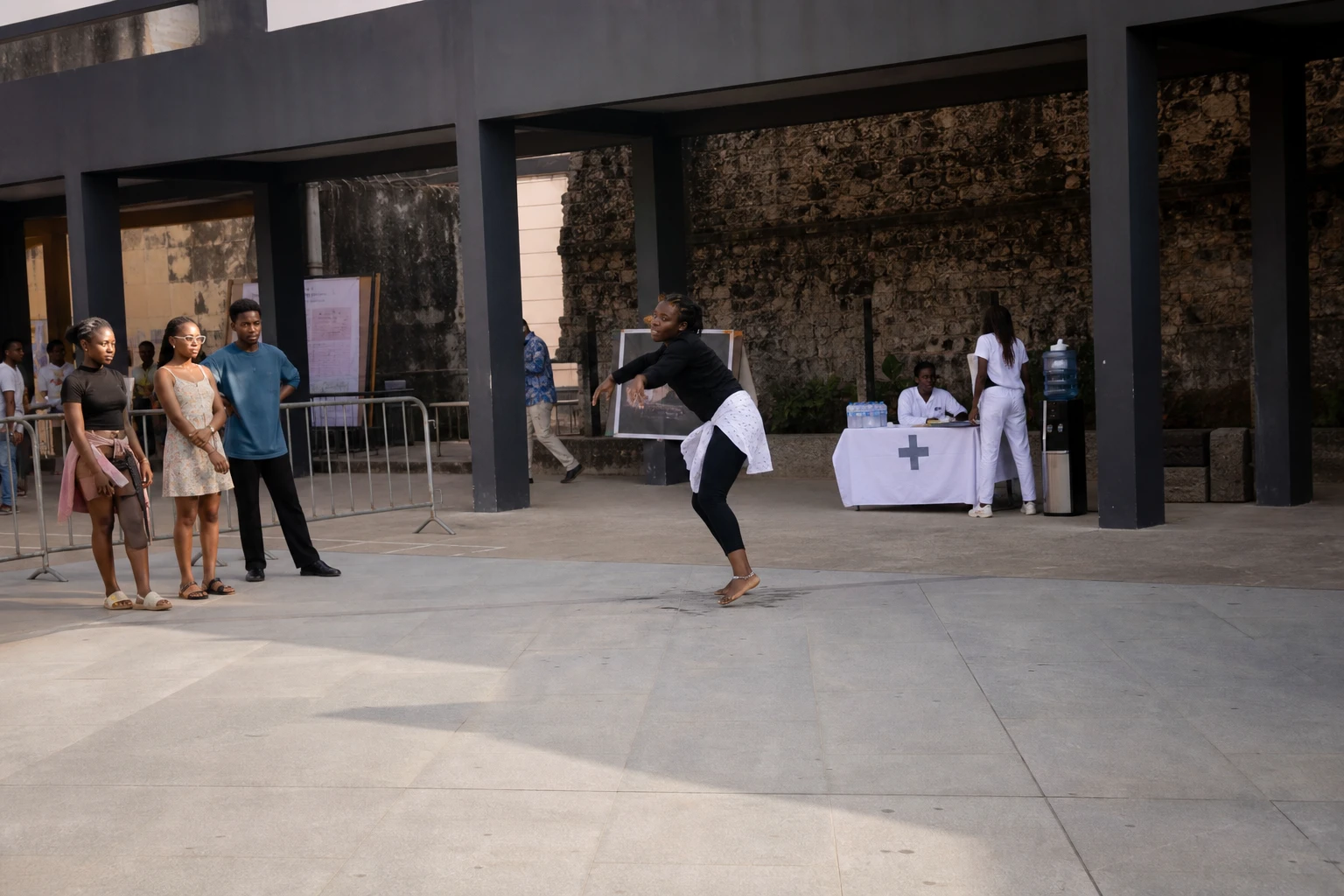
In Lagos, a Nigerian dancer turned an endurance challenge into a platform for cultural promotion. For seven days, Benjamin Daniel, known as Ben Dancer, danced before an audience at Freedom Park. His aim was to beat the world record for the longest individual dance marathon and draw attention to African dance.
A performance born in Lagos
Benjamin Daniel began his attempt on 21 September 2026 at Freedom Park, in central Lagos. He aimed to dance for 168 hours, exactly seven days. The 33-year-old dancer reached his target early on Tuesday 29 September, then continued performing for several more hours.
Nigerian media reported that the clock ultimately showed more than 176 hours. His team announced a total of seven days, eight hours, 32 minutes and 59 seconds at the end of the event. These figures, however, relate to the performance carried out at the venue. They have not yet been officially ratified by Guinness World Records.
The attempt took place in front of spectators gathered at Freedom Park. Young Nigerians followed the event, filmed footage and danced behind the barriers. Their support gave the performance a collective dimension, despite the individual nature of the record being pursued.
Nigerian media also reported that a medical team was present during the attempt. This supervision addressed the safety requirements associated with such a long performance. It does not, however, replace the Guinness World Records verification process, which examines the evidence, compliance with rest breaks and other applicable rules.
A record still subject to verification
The record listed by Guinness World Records currently stands at 127 hours. It was set by Indian dancer Srushti Sudhir Jagtap in Latur, in the state of Maharashtra, between 29 May and 3 June 2023. She was 16 at the time and danced primarily kathak, a major form of Indian classical dance. The official record entry states that the performance lasted 127 hours, 30 minutes and 0 seconds.
With a target of 168 hours, Ben Dancer was seeking to add 41 hours to the previous best published result. The margin appears substantial. Yet duration alone is not enough to secure the world title.
Guinness World Records requires, among other things, that the participant perform a recognised dance, keep their feet moving during the designated sequences and have rest periods recorded in accordance with the rules. For this type of marathon, five minutes of rest are generally allowed for every hour of dancing. The organisation also says that claims are reviewed before any public confirmation.
The decision will therefore depend on video footage, time records, witnesses’ accounts and reports submitted by the dancer’s team. Until the review is complete, it is more accurate to describe this as a record attempt than an established record.
Dance as a cultural language
For Benjamin Daniel, the aim is not simply to have his name entered in a world record book. In comments reported during the event, he said he wanted to use the visibility of Guinness World Records to raise the profile of traditional African dancers.
This ambition is part of an already prominent Nigerian cultural sector. Lagos is home to much of the country’s music, audiovisual and events industries. The city also hosts initiatives that connect artistic creation, professional training and cultural transmission.
During the performance, Ben Dancer moved between several musical styles. Afrobeat, closely associated with Lagos and Nigerian musical history, was among those featured. Fuji, jazz and zouk also accompanied some sequences. The dancer also wore outfits inspired by Nigerian traditions.
This choice broadens the significance of the challenge. It is not only about enduring physically for a week. It is also about showcasing the diversity of rhythms, movements and aesthetics that make up Nigeria’s contemporary scene.
According to the dancer, preparation took more than two years. His programme reportedly combined cardiovascular training, physical conditioning and dietary adjustments. In a performance of this length, recovery, hydration and managing exertion matter as much as choreographic technique.
An echo of Nigeria’s creative marathons
Nigeria has seen several long-duration performances become public phenomena. In 2023, chef Hilda Baci drew international attention with a cooking marathon in Lagos. The event helped popularise record attempts as a way to raise the profile of Nigerian talent.
Since then, initiatives involving reading, music, cooking and the performing arts have attracted media attention. These projects follow a common logic: turn an artistic or educational discipline into a popular event, then use that exposure to reach an international audience.
Ben Dancer’s approach stands out, however, for its focus on dance. It highlights a sector often seen in music videos, ceremonies and shows, but less documented than music or cinema. His initiative also shows that global recognition can come through artistic forms rooted in local practices.
What the decision could change
If Guinness World Records validates the attempt, Nigeria could gain a new world title in a discipline combining endurance and creativity. Recognition would raise the profile of Nigerian dance and could support schools, companies and choreographers seeking to professionalise their work.
The effects would not be the same for everyone. Artists based in Lagos have more direct access to media, venues and sponsors. Dancers in the northern and eastern regions and the Niger Delta often remain less visible, despite the importance of their choreographic traditions. The question, then, is whether this performance will benefit the wider ecosystem or mainly its Lagos-based centre.
Across West Africa, the event is part of the regional circulation of styles, artists and audiences. ECOWAS, which brings West African countries together around shared economic and political goals, is also a space for cultural mobility. Rhythms, languages and dance practices cross borders well beyond national categories.
The next step is now administrative. Guinness World Records will have to examine the dossier submitted by Ben Dancer’s team. While that decision is pending, the performance has already achieved a tangible result: for a week, Nigerian dance took centre stage in Lagos and beyond.