Algeria
 Egypt
 Libya
 Morocco
 Sudan
 Tunisia
 Benin
 Burkina Faso
 Cabo Verde
 Côte d'Ivoire
 Ghana
 Guinea
 Guinea-Bissau
 Liberia
 Mali
 Mauritania
 Niger
 Nigeria
 Senegal
 Sierra Leone
 The Gambia
 Togo
 Cameroon
 Central African Republic
 Chad
 DR Congo
 Equatorial Guinea
 Gabon
 Republic of the Congo
 São Tomé and Príncipe
 Burundi
 Comoros
 Djibouti
 Eritrea
 Kenya
 Madagascar
 Malawi
 Mauritius
 Mozambique
 Rwanda
 Seychelles
 Somalia
 South Sudan
 Tanzania
 Uganda
 Angola
 Botswana
 Eswatini
 Lesotho
 Namibia
 South Africa
 Zambia
 Zimbabwe
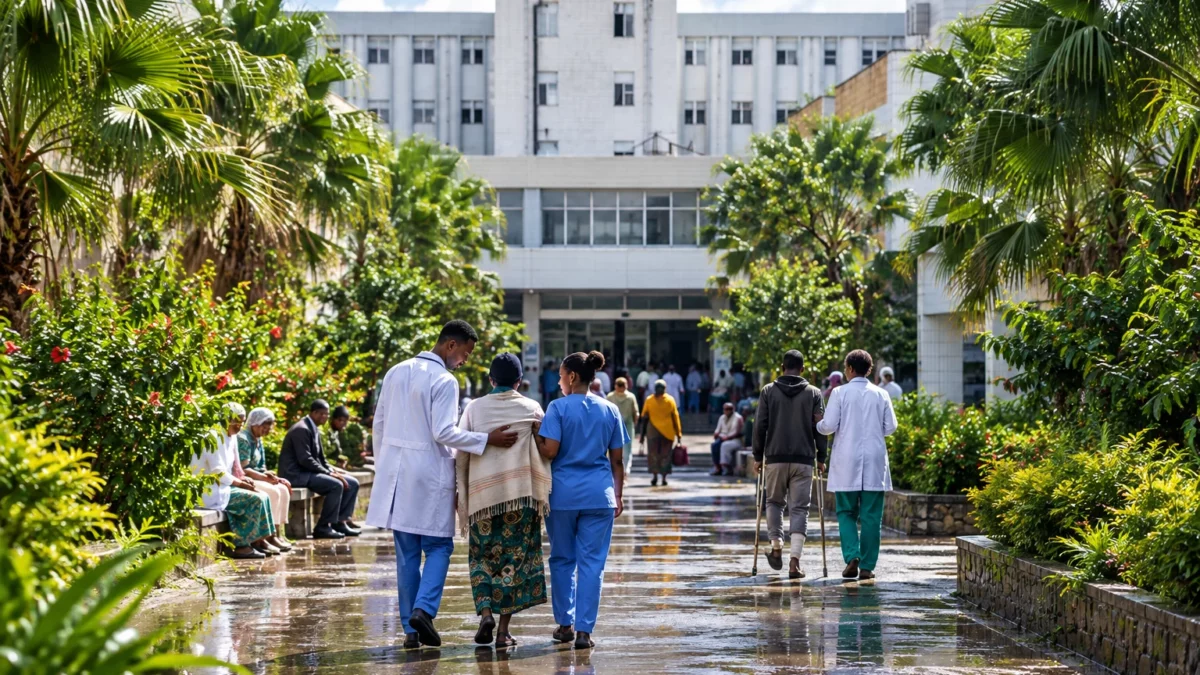
Schools have reopened and businesses are resuming activity in Mekelle. But for the people of Tigray, a return to ordinary life is confronted by an immediate reality: injured civilians continue to arrive at Ayder Hospital, while healthcare services lack resources.
Calm in the city, fighting in the region
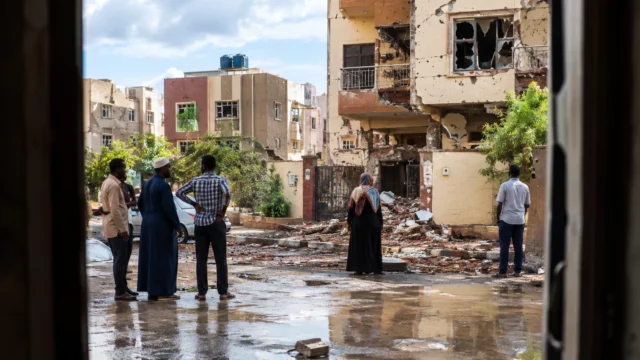
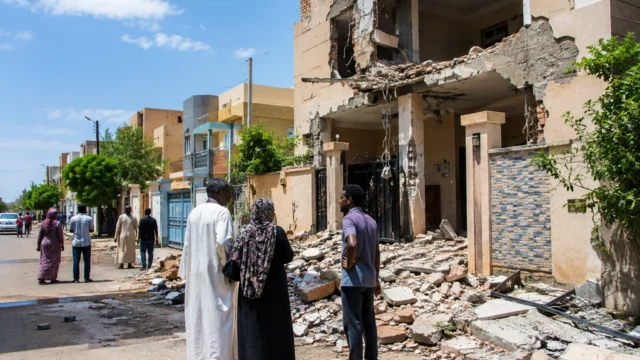
The recapture of Mekelle by Ethiopian federal forces and their allies has not ended the fighting in Tigray. Clashes continue in rural areas in the south and centre of the region. The regional capital therefore offers only a partial picture of a territory where conditions vary greatly from one locality to another.
This latest phase is part of a wider crisis. On 2 November 2022, the federal government and the Tigray People’s Liberation Front (TPLF) signed a cessation of hostilities agreement in Pretoria, under the auspices of the African Union. The agreement aimed in particular to halt the fighting, facilitate humanitarian aid and restore services. However, persistent political and security tensions have undermined the peace. In March 2025, the African Union was still calling on the parties to honour their commitments.
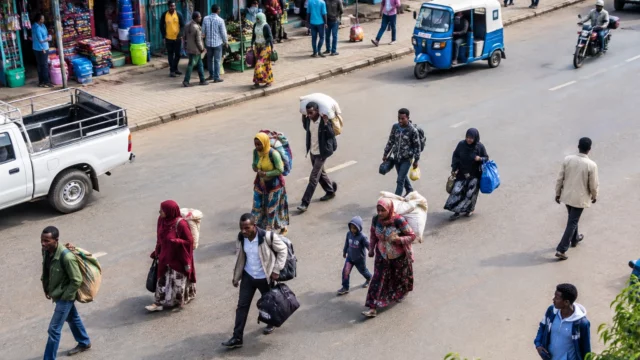
Tigray is a region in northern Ethiopia, whose capital is Addis Ababa. It is part of the area monitored by the Intergovernmental Authority on Development (IGAD), a regional organisation in the Horn of Africa. A sustained return to fighting could therefore affect population movements and humanitarian access in a region already marked by successive crises.
At Ayder, treating injuries amid shortages
At Ayder Hospital in Mekelle, civilians have been arriving almost every day for several weeks, according to surgeon Abraha Gebregziabher, quoted in a report from the scene. They come in particular from rural areas affected by clashes. The doctor describes serious injuries: amputations, eye injuries and facial fractures. He also reports that one person arrived dead after being injured in an area where explosive devices were present.
These details are based on the medical staff’s observations as reported in this account. The available information does not establish an overall casualty toll or independently confirm each incident. It is therefore important to distinguish the hospital’s clinical findings from a verified region-wide count.
Treatment is being complicated by a shortage of medicines. The surgeon says stocks at Mekelle’s distribution centre have declined in both quantity and variety, amid tensions between the regional authorities and the federal government. He cites antipsychotics and antidepressants in particular among the treatments that have become difficult to find. For those who depend on them, a supply interruption can disrupt care already weakened by years of war.
This shortage did not begin with the recent resumption of fighting. The Ethiopian Human Rights Commission had already reported difficulties in the supply of medicines and persistent problems in health services, including at Ayder, in a report on Tigray. A study published in 2026 also describes the conflict’s lasting effects on pharmaceutical supplies and the functioning of the regional health system.
The daily cost of a weakened health system
The situation affects more than war casualties. When medicines are in short supply, patients with mental health conditions, chronic illnesses or regular care needs are also at risk. Families must then look for treatments elsewhere, or wait, while hospital teams weigh urgent needs against limited resources.
The divide between the city and the countryside also matters. Mekelle has specialised hospital services, but people injured in rural areas must first travel along roads that are sometimes dangerous to reach them. The journey can delay care or become impossible. Children and people needing urgent treatment are particularly vulnerable to these delays, although the available information does not make it possible to quantify their scale.
The hospital’s difficulties add to a health system weakened by destruction and supply disruptions in previous years. They show that the return of visible services, such as schools and businesses, is not enough to measure a region’s recovery. Continuity of care, access to medicines and safe travel are other essential indicators.
Implementing the peace remains decisive
For the African Union, the Pretoria agreement remains the central political framework. But a text alone cannot protect civilians: its implementation, humanitarian access and the resolution of political and territorial disputes remain decisive. The organisation had already expressed concern over tensions within the TPLF and called on the parties to respect the permanent cessation of hostilities.
Recent developments confirm that the situation requires monitoring beyond Mekelle. Reports published in October 2026 refer to renewed fighting and civilian injuries, while the Ethiopian authorities have announced the establishment of an interim administration for Tigray. These events point to a sharp deterioration in the security situation, but do not in themselves establish who controls each area or what the situation is there.
The next challenge is therefore twofold: to reduce violence and make regular healthcare possible, both in the regional capital and in rural districts. For Ayder’s patients, peace is also measured in concrete terms: being able to reach hospital safely and find the prescribed medicine.