Algeria
 Egypt
 Libya
 Morocco
 Sudan
 Tunisia
 Benin
 Burkina Faso
 Cabo Verde
 Côte d'Ivoire
 Ghana
 Guinea
 Guinea-Bissau
 Liberia
 Mali
 Mauritania
 Niger
 Nigeria
 Senegal
 Sierra Leone
 The Gambia
 Togo
 Cameroon
 Central African Republic
 Chad
 DR Congo
 Equatorial Guinea
 Gabon
 Republic of the Congo
 São Tomé and Príncipe
 Burundi
 Comoros
 Djibouti
 Eritrea
 Ethiopia
 Madagascar
 Malawi
 Mauritius
 Mozambique
 Rwanda
 Seychelles
 Somalia
 South Sudan
 Tanzania
 Uganda
 Angola
 Botswana
 Eswatini
 Lesotho
 Namibia
 South Africa
 Zambia
 Zimbabwe
In the Amboseli ecosystem, wildlife faces more than fences
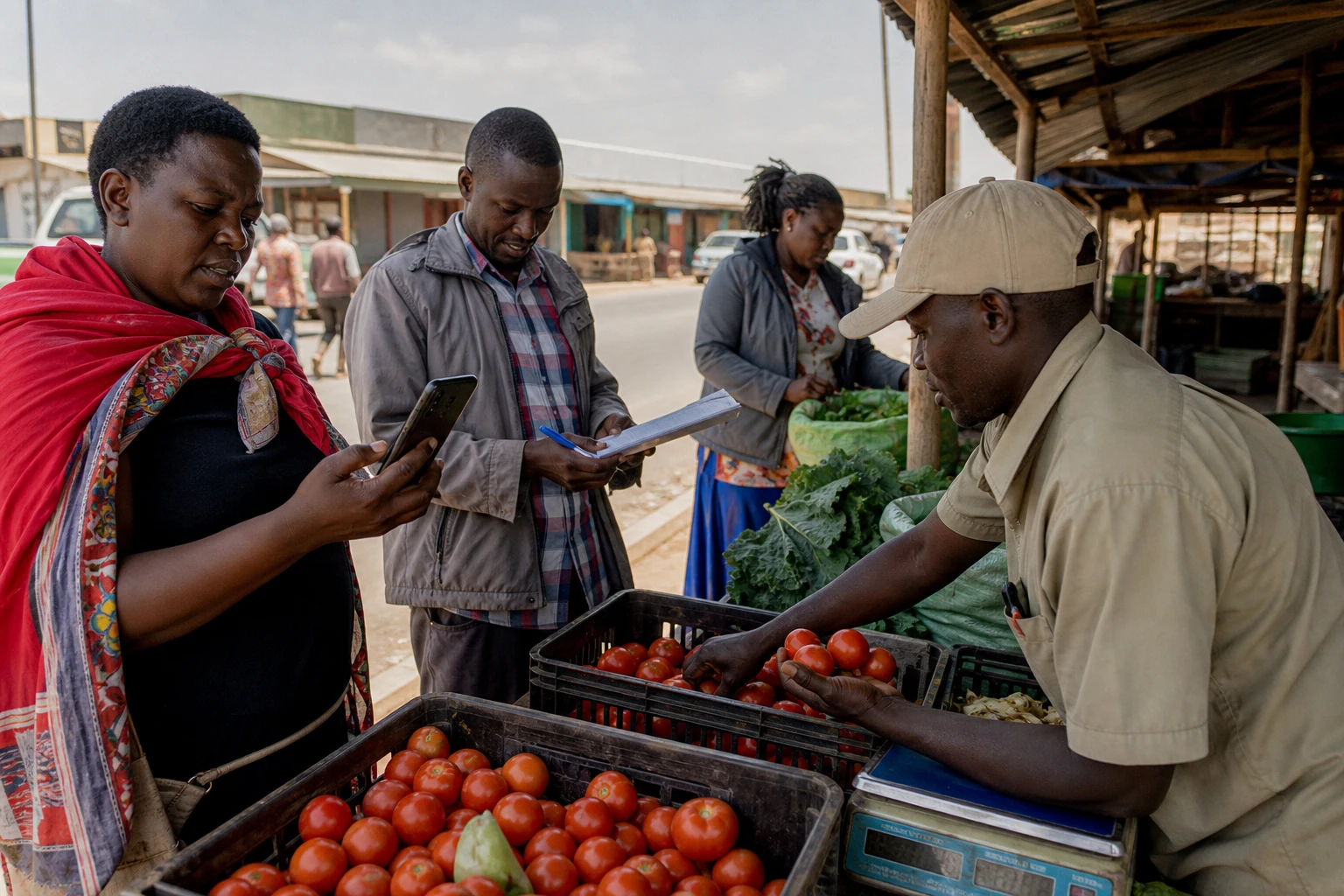
In southern Kenya, elephants do not cross an empty landscape. They move through places that are inhabited, farmed, monitored and coveted. In Amboseli, the question is therefore not only why 15 animals died. It is also how a migration corridor can become, within a few years, a zone of friction between agriculture, conservation and food security.
The case highlights a reality familiar to Kenyan wildlife managers: the survival of large mammals depends as much on parks as on the spaces between them, such as Kimana, Kuku and the passageways towards Tsavo and Kilimanjaro. The Kenya Wildlife Service (KWS) itself describes Amboseli as one of the main areas where elephants, Maasai communities and farmland meet. In Kajiado county, pressure on land, irrigated crops and infrastructure are fragmenting vital corridors.
What is known about the Amboseli deaths
On 29 July 2026, the Associated Press reported that Kenyan authorities had opened an investigation into the deaths of 15 elephants over about a month in Amboseli National Park and its surroundings. The KWS said 10 animals showed signs of partial paralysis before dying within two days, while five others were found dead, partly consumed by scavengers. The carcasses were found in the Kimana Sanctuary and Kuku Ranch areas.
The initial findings remain inconclusive. The KWS says it detected a potential toxic substance in tests conducted by the University of Nairobi laboratory, while the Government Chemist did not confirm the toxins tested for. Further analyses are under way, including tests on water and other possible sources of contamination. The authorities also said that, at this stage, there was no evidence of any risk of transmission to humans.
The theory that the deaths were caused by pesticide poisoning is based on clues, not judicial certainty. The KWS chief veterinarian, quoted in several reports on the case, raised the possibility of exposure to agricultural products used near tomato crops in Kimana. But he has not ruled out deliberate poisoning or other causes. This caution matters: in an area where elephants share space with farms, correlation is not enough to establish a single party’s responsibility.
One piece of evidence has nevertheless fuelled suspicion. Route to Food, a Kenyan initiative working on food and farming practices, documented the use in Kimana in 2024 of an insecticide marketed under the name Tiger. The report says its active ingredient is chlorfenapyr, described as a chemical compound linked to cyanide, and raises the alarm over the movement of banned or poorly regulated pesticides across the border with Tanzania. This finding sheds light on a wider problem: the porous controls on plant protection products in rural areas of East Africa.
A coexistence crisis, not just an animal story
The debate is not limited to toxicology. It concerns the model of coexistence between villages, crops and wildlife. In Kimana, farmers regularly complain about damage elephants cause to crops. Conservationists, for their part, point out that pressure on land is reducing the space available for wildlife to move. Save the Elephants has for years warned that corridors are threatened by roads, fences and the expansion of cultivated land, forcing animals to cross increasingly narrow areas.
The profile of the victims has also raised questions. According to the AP, most of the dead elephants were females and their young, with just one adult male among the 15. This distribution matters. In conflicts involving crops, adult males are often the ones most likely to approach fields. Several specialists therefore judge that the pattern observed does not resemble a typical case of simple foraging. Others note that large quantities of contaminated vegetation would have to be ingested to reach a lethal dose, pointing to the need for a broader investigation into water, soil and possible human interference.
Kenya faces a dual challenge. Economically, local communities want to protect their crops and incomes. Environmentally, the country has long promoted its image as an African conservation powerhouse, particularly through its elephants, parks and tourism. The KWS says the country has adopted a national elephant strategy and that Amboseli remains an emblematic site, monitored for decades. But that reputation now depends less on game rangers alone than on how the state balances agricultural production, pesticide regulation and the preservation of corridors.
What the case says about East Africa
The case goes beyond southern Kenya. The border with Tanzania, the movement of agricultural products and differences in regulation raise a very practical regional question: how can controls be harmonised when goods, people and animals cross administrative boundaries far faster than inspections can keep up? The FAO says the East African Community has already adopted harmonised guidelines on pesticide evaluation, but implementation remains uneven. Kenya, meanwhile, has a dedicated national agency, the Pest Control Products Board, which says it is fighting illicit products and conducting border seizures.
More broadly, the Amboseli case says something about the agricultural transition under way in East Africa. Horticultural farming is expanding rapidly, often right next to migration corridors. Rural markets depend on quick returns. Controls, meanwhile, are struggling to keep pace. When a banned or poorly regulated product circulates, the risk is not limited to elephants. It also affects bees, soil, water, farm workers and urban consumers. Route to Food makes this point clearly in its analysis of Kimana: public health, biodiversity and food security are linked.
Nairobi’s investigation will therefore have to answer two questions at once. What exactly killed these 15 elephants? And what kind of land governance would prevent such an episode from happening again in a corridor already under pressure? In Amboseli, the answer will come neither from confrontation between farmers and conservationists nor from a simplistic reading that pits nature against development. It will depend on stricter regulation of pesticides, effective protection of wildlife passages and a more credible sharing of the benefits of conservation with Kajiado residents.