Algeria
 Egypt
 Libya
 Morocco
 Sudan
 Tunisia
 Benin
 Burkina Faso
 Cabo Verde
 Côte d'Ivoire
 Ghana
 Guinea
 Guinea-Bissau
 Liberia
 Mali
 Mauritania
 Niger
 Nigeria
 Senegal
 Sierra Leone
 The Gambia
 Togo
 Cameroon
 Central African Republic
 Chad
 DR Congo
 Equatorial Guinea
 Gabon
 Republic of the Congo
 São Tomé and Príncipe
 Burundi
 Comoros
 Djibouti
 Eritrea
 Ethiopia
 Kenya
 Madagascar
 Malawi
 Mauritius
 Mozambique
 Rwanda
 Seychelles
 Somalia
 South Sudan
 Tanzania
 Uganda
 Angola
 Botswana
 Eswatini
 Lesotho
 Namibia
 South Africa
 Zambia
 Zimbabwe
Preventing crises rather than chasing them
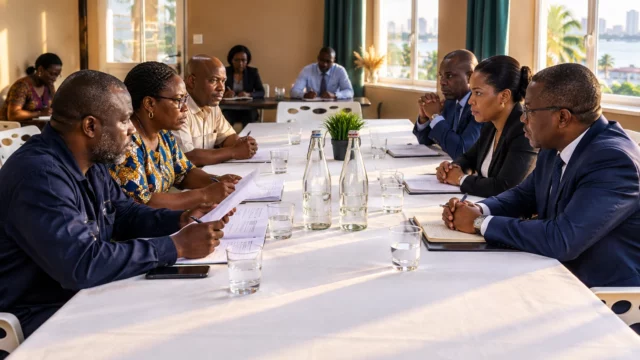
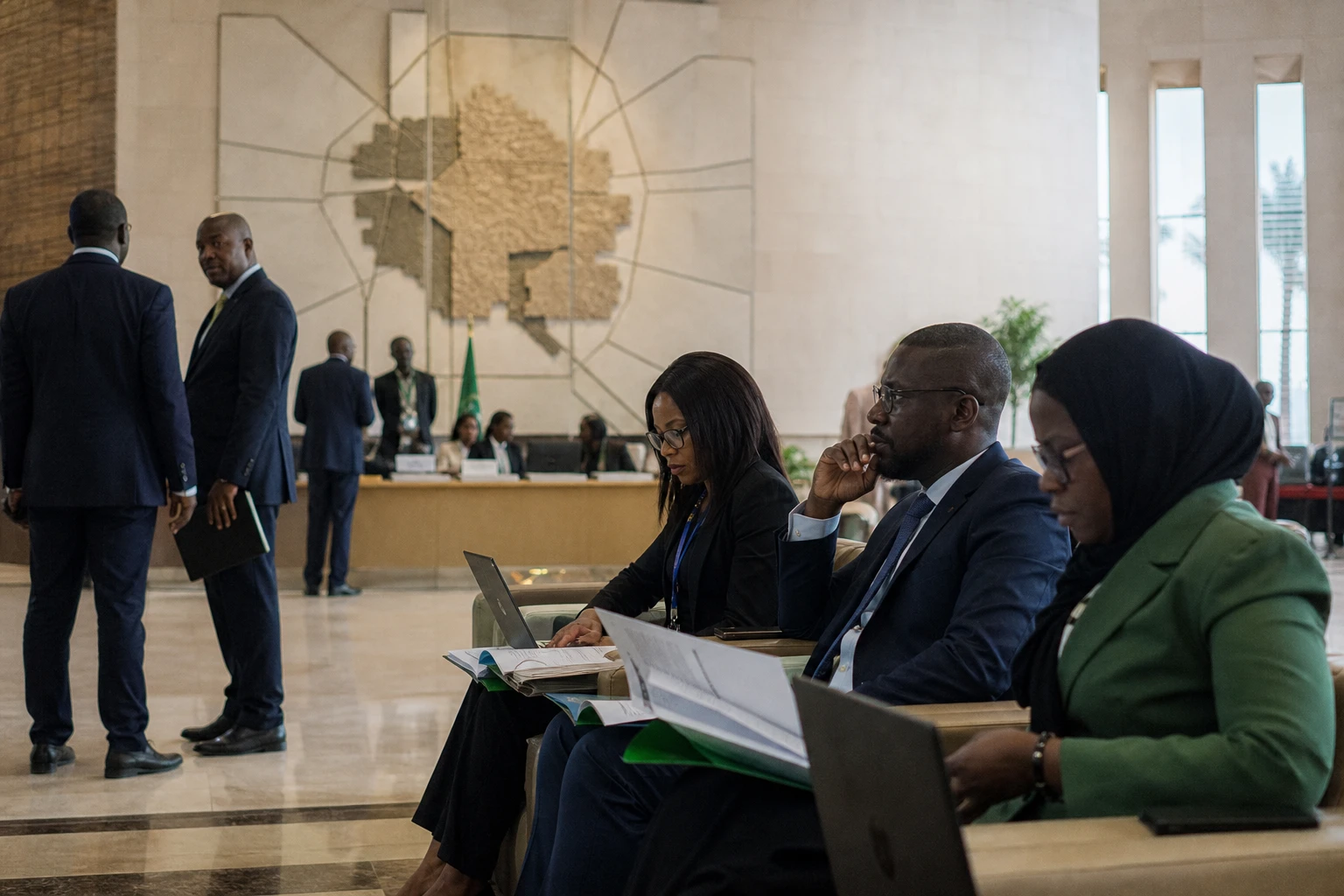
In Luanda, the African Union posed a simple but decisive question: is the continent’s peace architecture still suited to crises that are faster-moving, more interconnected and longer-lasting than they were a decade ago? The answer given this weekend was clear. The organisation wants to shift its centre of gravity towards early warning, prevention and more stable funding for its peace operations.
The meeting was no ordinary event. It was held in Luanda, Angola, on 29 and 30 August 2026, as part of the 21st extraordinary session of the AU Assembly, dedicated to conflict prevention and resolution. It followed preparatory work by the organisation’s Executive Council, which also met in the Angolan capital. Angola served not only as host, but also as an African champion for peace and reconciliation.
A continent under strain, from the Sahel to the Horn of Africa
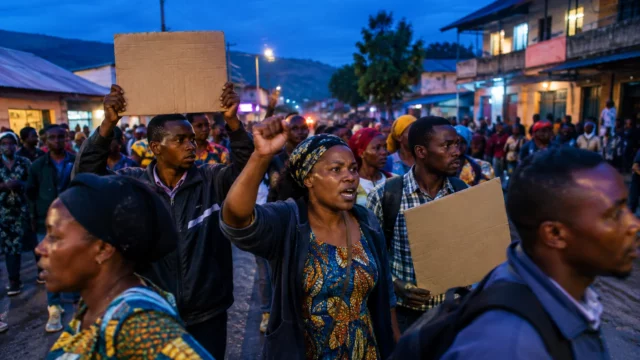
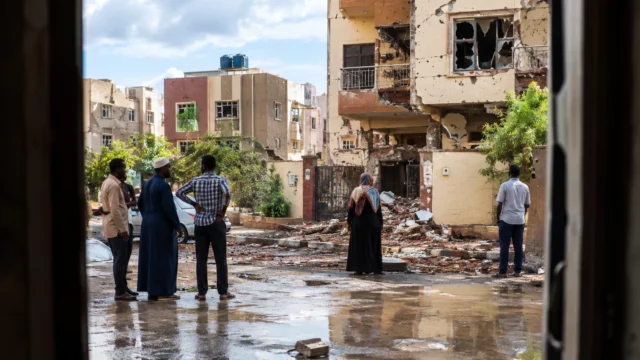
The assessment made in Luanda reflects a deteriorating security landscape. The African Union cited several persistent centres of crisis: Sudan, eastern Democratic Republic of the Congo, Somalia, the Sahel, Libya, northern Mozambique and Madagascar. These are compounded by transnational threats such as terrorism, violent extremism, piracy, organised crime and, in the organisation’s words, the ill-treatment of migrants.
This list says much about the current moment in Africa. Emergencies no longer occur in silos. A local conflict can fuel arms flows, smuggling routes, forced displacement and political shocks in several countries at once. It is precisely this reality that has led the AU to call for “urgent” reform of its peace and security architecture — the full range of its prevention, mediation, early-warning and intervention mechanisms.
As early as February 2026, the Union Assembly had noted in its report on the state of peace and security in Africa the persistence of conflicts, terrorism, violent extremism, unconstitutional changes of government and humanitarian crises in several parts of the continent. The Luanda meeting therefore builds on a political warning already issued at the organisation’s highest level.
What the AU wants to change in practice
The message from Mahmoud Ali Youssouf, chairperson of the AU Commission, can be summed up in one line: action must come before conflict erupts. The idea is not new, but here it takes on a more operational significance. The AU is calling for a strengthened continental early-warning system, better implementation of its decisions, sustainable funding for peace operations and a fully operational Peace Fund.
In institutional terms, this means several things. First, identifying warning signs earlier, before they develop into open crises. Second, narrowing the gap between decisions taken in Addis Ababa and their implementation on the ground. Finally, giving African peace efforts more financial support, as they still depend too heavily on external resources and often fragile arrangements.
The Peace Fund, at the heart of this agenda, reached an important milestone in 2026: the AU announced that its governance structures were fully operational, with the first joint withdrawal by its governing bodies taking place in May. This matters because a fund is useful only if it can be mobilised quickly, under clear rules and with credible oversight.
The other lever discussed in Luanda is UN Security Council Resolution 2719. Adopted in 2023, it opens the way, subject to conditions, for UN member states’ assessed contributions to fund AU-led peace operations. On paper, this is a major step towards budgetary predictability. In practice, its implementation remains technical, negotiated and slow. The AU is therefore pushing to accelerate the mechanism and move away from reliance on ad hoc funding.
Somalia, logistics and budgetary vulnerability
The situation in Somalia clearly illustrates what the AU wants to address. The AUSSOM mission, which can have up to 11,826 uniformed personnel, receives logistical support from the United Nations for food, fuel, transport and medical services. UN budget documents describe support for the mission as a complex, costly chain of services that depends on regular cash flow.
This dependence has a very concrete consequence: when an international organisation faces liquidity pressures, the mission on the ground may slow down or come under strain. The UN itself has warned that its cash constraints could affect activities related to AUSSOM. In other words, the issue is not just diplomatic. It affects an African force’s ability to hold its positions, deploy and protect civilians.
Funding is therefore also a question of operational continuity. Without fuel, transport and supplies, a peace mission loses its mobility. Without predictable funding, it loses its political momentum. This is precisely what the AU wants to avoid by strengthening its own resources and seeking to better align its capabilities with those of the UN.
Political significance for Africa and its regions
Beyond the Luanda meeting, the reform has continent-wide significance. It affects relations between the African Union and regional organisations such as ECOWAS in West Africa, IGAD in the Horn of Africa, ECCAS in Central Africa and SADC in Southern Africa. The AU wants to allocate responsibilities more effectively between the continental and regional levels, so that preventive diplomacy is closer to crises and less slow-moving than they are.
This approach also matters to member states. For governments, it may mean greater pressure to contribute more towards collective security. For populations, it could eventually lead to interventions that are better coordinated, less improvised and easier to understand. For national economies, especially in countries in conflict or emerging from crisis, stability is not an abstract concept: it affects trade routes, local markets, access to public services and investor confidence.
The real test will come in the months ahead. It remains to be seen whether the reform announced in Luanda will lead to budgetary decisions, more effective early-warning mechanisms and better coordination with regional economic communities. The AU has set out the framework. It must now prove that Africa’s peace architecture can move from a reactive approach to lasting prevention.