Algeria
 Egypt
 Libya
 Morocco
 Tunisia
 Benin
 Burkina Faso
 Cabo Verde
 Côte d'Ivoire
 Ghana
 Guinea
 Guinea-Bissau
 Liberia
 Mali
 Mauritania
 Niger
 Nigeria
 Senegal
 Sierra Leone
 The Gambia
 Togo
 Cameroon
 Central African Republic
 Chad
 DR Congo
 Equatorial Guinea
 Gabon
 Republic of the Congo
 São Tomé and Príncipe
 Burundi
 Comoros
 Djibouti
 Eritrea
 Ethiopia
 Kenya
 Madagascar
 Malawi
 Mauritius
 Mozambique
 Rwanda
 Seychelles
 Somalia
 South Sudan
 Tanzania
 Uganda
 Angola
 Botswana
 Eswatini
 Lesotho
 Namibia
 South Africa
 Zambia
 Zimbabwe
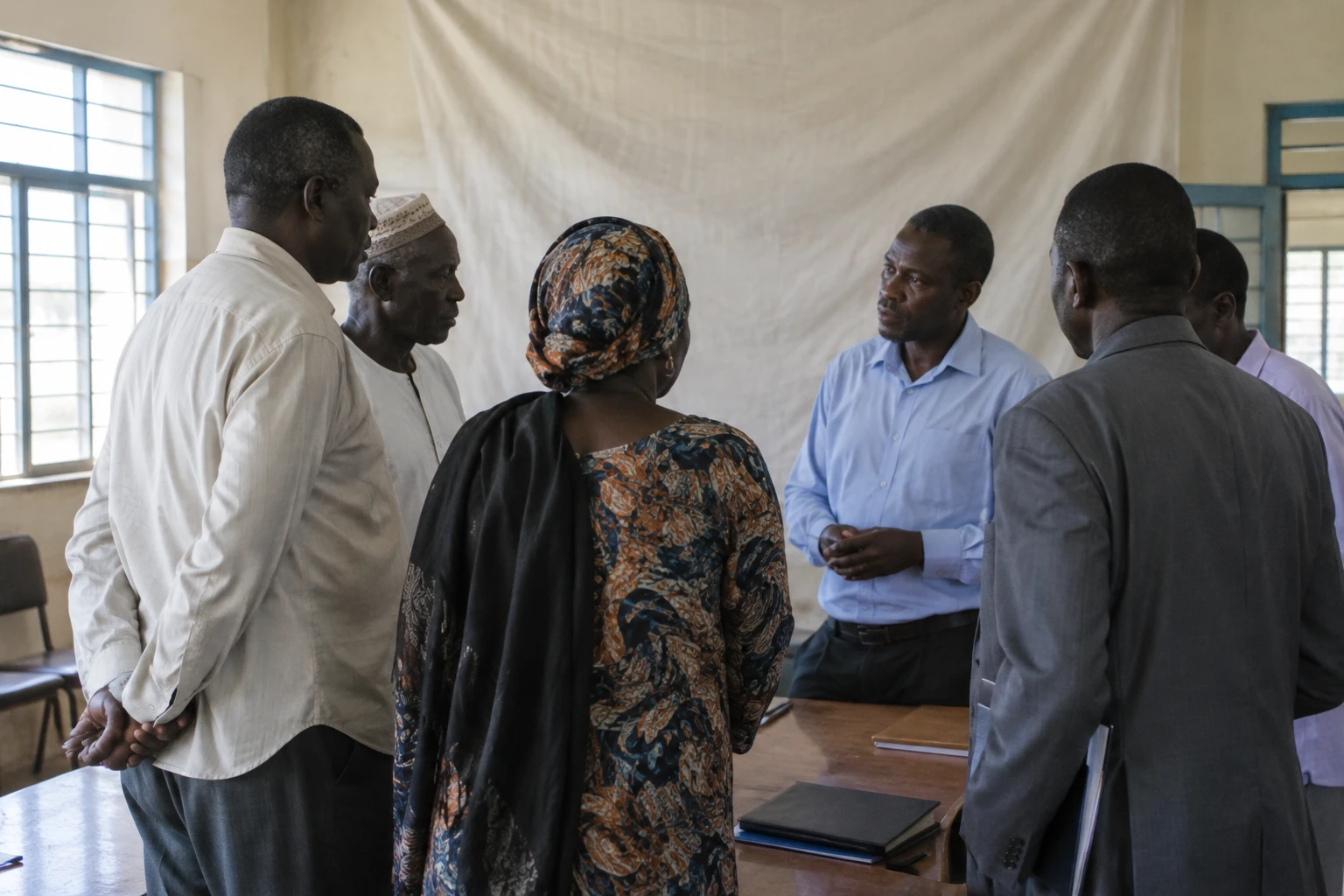
In Amiet, the market did more than provide a livelihood for vendors and transporters. It also connected communities living on either side of a disputed border. On 19 October, a drone strike turned this commercial hub into a place of mourning and reignited tensions between Sudan and South Sudan.
A market at the heart of a disputed territory
Amiet is in the Abyei region, a territory claimed by Khartoum and Juba. South Sudan became independent in 2011, but Abyei’s status has not been settled. The region remains under a transitional arrangement, with a presence of the United Nations Interim Security Force, UNISFA.
Amiet market serves residents on both sides of the border. Its economic role matters in an area where political borders, movement and trade links overlap. An attack on this site therefore threatens civilians, as well as the exchanges that support everyday life.
The strike comes as Sudan has been engulfed since April 2023 in a war between the Sudanese Armed Forces and the Rapid Support Forces (RSF), a paramilitary group. The conflict has spread to several regions and both sides are using drones. The UN has already warned of their deadly impact on civilians.
Toll announced by local authorities
On 19 October, drones struck Amiet market. According to Yohana Akol Ngor, interim information minister for the Abyei administration, the death toll had reached 153 by 21 October and could rise further. He said some bodies remained difficult to recover after the fires. This figure comes from local authorities and has not been independently confirmed.
The victims are said to have been of several nationalities, including Sudanese, South Sudanese, Ethiopian and Somali. Information released by local authorities and reported by several media outlets indicates that the fire affected fuel depots. The proximity of these stocks to the market hampered rescue operations.
The Abyei authorities and South Sudan’s foreign ministry accuse the Sudanese army of carrying out the attack. Juba summoned Sudan’s ambassador to protest. These are serious accusations, but they should be presented as such until the available evidence allows for full independent verification.
Accounts also differ over the target. A Sudanese military official quoted by media outlets said the army had targeted fuel tankers bound for the RSF. Local authorities dispute this justification. Available information does not make it possible to establish precisely the alleged military target or the status of those killed.
Consequences beyond the victims
The strike affects civilian activities that extend beyond Abyei. A border market brings together traders, customers, transporters and people on the move. The destruction of its facilities and damage to fuel stocks could disrupt trade and complicate local supplies. The effects are likely to be particularly severe for small vendors and households that depend on informal networks.
Medical organisation Médecins Sans Frontières said its teams at Ameth Bek hospital were treating more than twenty wounded people, some of them seriously injured. This figure confirms that emergency care was needed, but on its own it does not verify the death toll. Ongoing searches and the severity of the burns make assessment more difficult.
The incident also tests relations between Juba and Khartoum. South Sudan has a direct interest in stability in Abyei, while Sudan remains embroiled in a war whose front lines are shifting. Any armed activity in the area could therefore fuel tensions over a territorial dispute that predates the current war.
A local crisis with regional implications
UNISFA’s mandate is to contribute to security in the Abyei area. But an international presence is not enough to protect every civilian site from air strikes. The incident highlights the difficulty of monitoring a disputed territory as Sudan’s conflict spreads into areas near the border.
For South Sudanese authorities, the immediate priority is to respond to the human consequences and make their diplomatic protest heard. For residents and traders, the stakes are more tangible: access to medical care, supply routes and a safe way to reach the market. Local populations are not only exposed to rivalries between states; they also bear the economic consequences of insecurity disrupting trade.
What happens next will depend in particular on how the death toll evolves, the findings of any investigations and the response of the two governments. The ability of UNISFA to document the situation and maintain its operations will also need to be monitored. At regional level, the attack is a reminder that a national war can quickly destabilise border areas whose political status remains fragile.